
Are EVs harder to steal? Discover the security features that help protect modern cars, how thieves target vehicles today, and what drivers can do to reduce risk.
Car Security
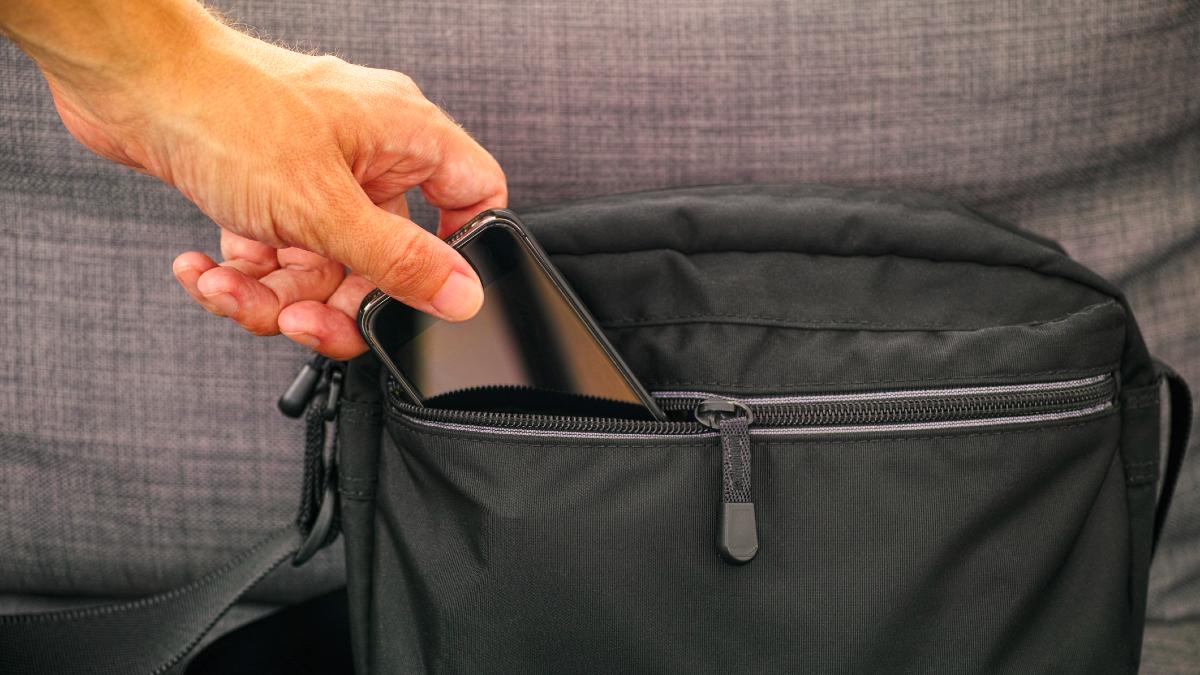

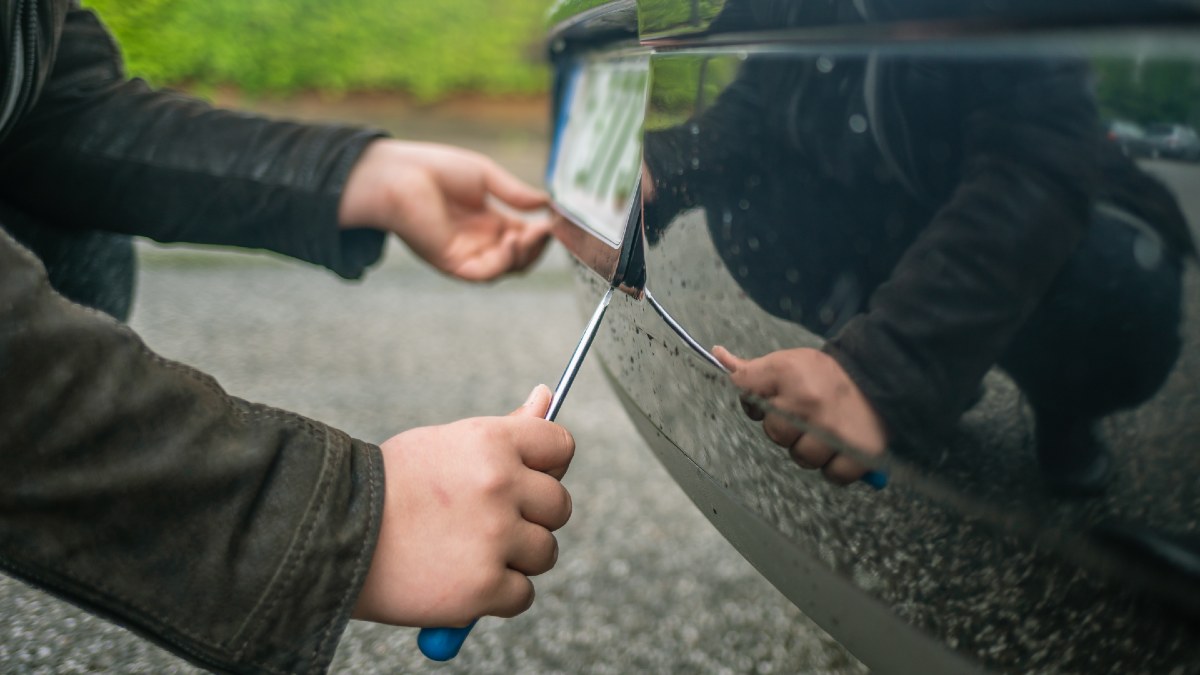
Best car security technology: OBD locks, Faraday pouches, steering wheel locks, bollards and number plate screws
From steering wheel locks to OBD port locks and Faraday pouches, the best car security setup combines visible deterrents, electronic protection and practical home security measures.
The best car security technology is not a single device: it’s a combination of measures that make your car harder to access, harder to start and less attractive to steal.
RACV advises motorists to combine car security devices with secure parking and good habits at home to help reduce the risk of theft. Simple habits, the right technology and secure parking can work together to create a stronger approach to car security.
Alongside traditional devices like steering wheel locks, motorists can use OBD locks to help protect a car's diagnostics port, Faraday pouches or bags to block keyless entry signals, and physical barriers such as driveway bollards to prevent vehicle movement.
RACV Head of Policy James Williams says car security should be treated as a layered approach, particularly as vehicle theft methods continue to evolve.
“No single device or habit can remove the risk of theft entirely,” he says. “But the more barriers you put between a thief and your car – whether that’s secure parking, a visible deterrent or technology that protects your keys and access points – the less attractive your vehicle becomes.”
At home, measures like motion-sensor lighting, secure garage access and visible CCTV can further reduce opportunity.
Neighbourhood Watch Victoria CEO Bambi Gordon says car security starts with reducing easy opportunities around the home.
“Most offenders are looking for a quick, low-risk opportunity, so the aim is to make your car harder to access, harder to move and more likely to draw attention,” she says. “Good lighting, a secure garage, visible cameras and simple habits like keeping keys out of sight can all help make theft less appealing.”
For added peace of mind, consider reviewing your car insurance cover to ensure you’re supported if your vehicle is stolen or damaged.
Quick answer: what is the best car security technology?
The best car security setup combines:
- a visible deterrent (steering wheel lock)
- electronic protection (OBD lock, Faraday pouch)
- physical barriers (bollards, secure garage)
- low-cost protection (anti-theft number plate screws)
- home security upgrades (lighting, CCTV)
- consistent habits (locking, key storage, removing valuables).
No single device is foolproof - layered protection is the most effective approach.
More: Why electric vehicles and modern cars are harder to steal
How to prevent keyless car theft in Australia
Keyless car theft (also known as relay theft) occurs when thieves intercept or amplify the signal from a key fob to unlock and start a vehicle without needing the physical key.
To help prevent keyless car theft:
- Store keys in a Faraday pouch at home.
- Keep keys away from doors, windows and entry points.
- Use a steering wheel lock as a visible deterrent.
- Park in a locked garage or well-lit area where possible.
- Disable keyless entry (if your vehicle allows it).
- Consider an OBD lock to protect internal vehicle systems.
No single measure is foolproof, but combining signal protection, visible deterrents and secure parking significantly reduces risk.
Car security devices compared
|
Steering wheel lock |
Prevents steering movement and |
Visible |
Street parking and daily use |
|---|---|---|---|
|
Faraday pouch |
Blocks key fob |
Electronic |
Keyless entry vehicles |
|
OBD lock |
Restricts access to diagnostics port |
Electronic |
Modern vehicles with onboard systems |
|
Driveway bollards |
Physically blocks vehicle movement |
Physical |
Home driveways and carports |
|
Number plate anti-theft screws |
Secures plates against easy removal |
Low-cost |
All vehicles |
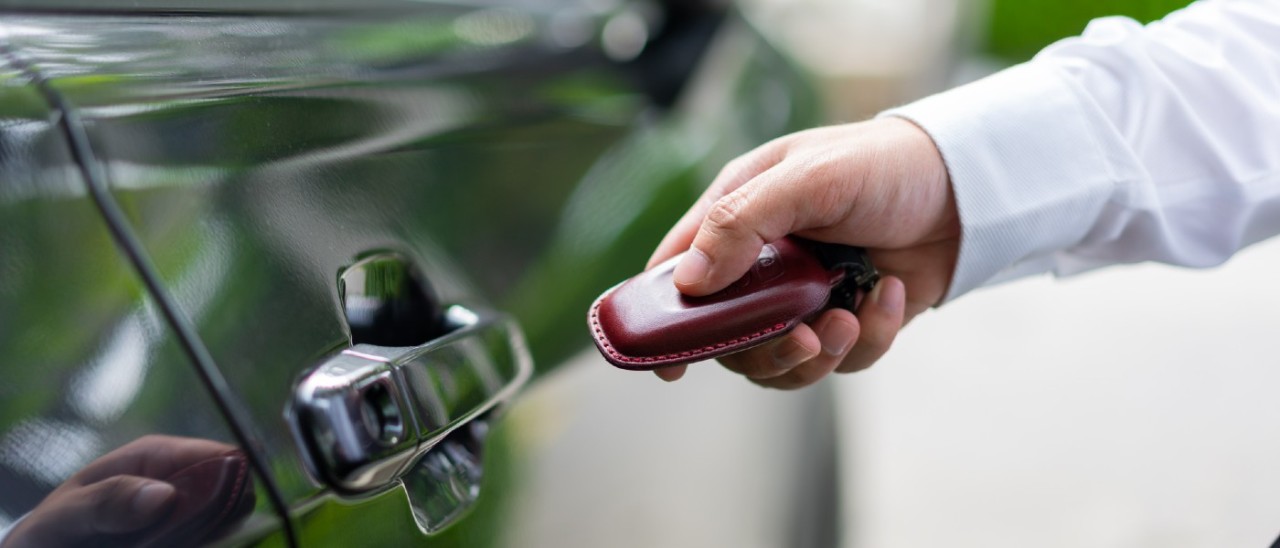
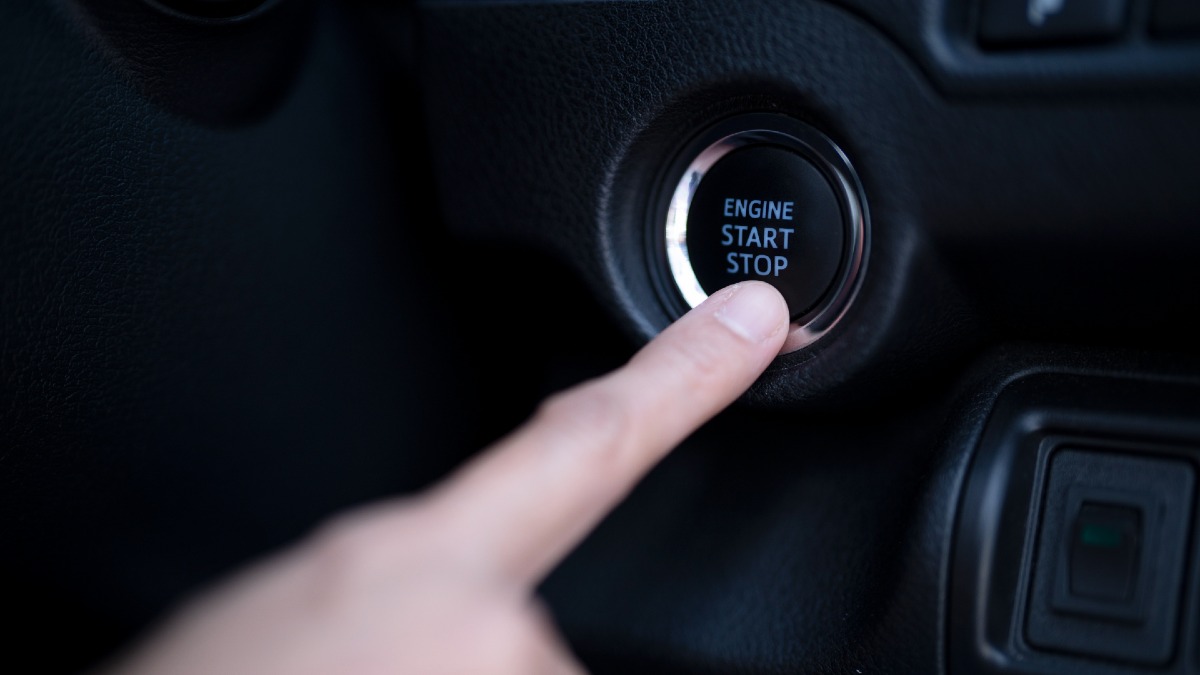
Push-start cars are vulnerable to relay theft. Image: Getty
Steering wheel locks (visible car security)
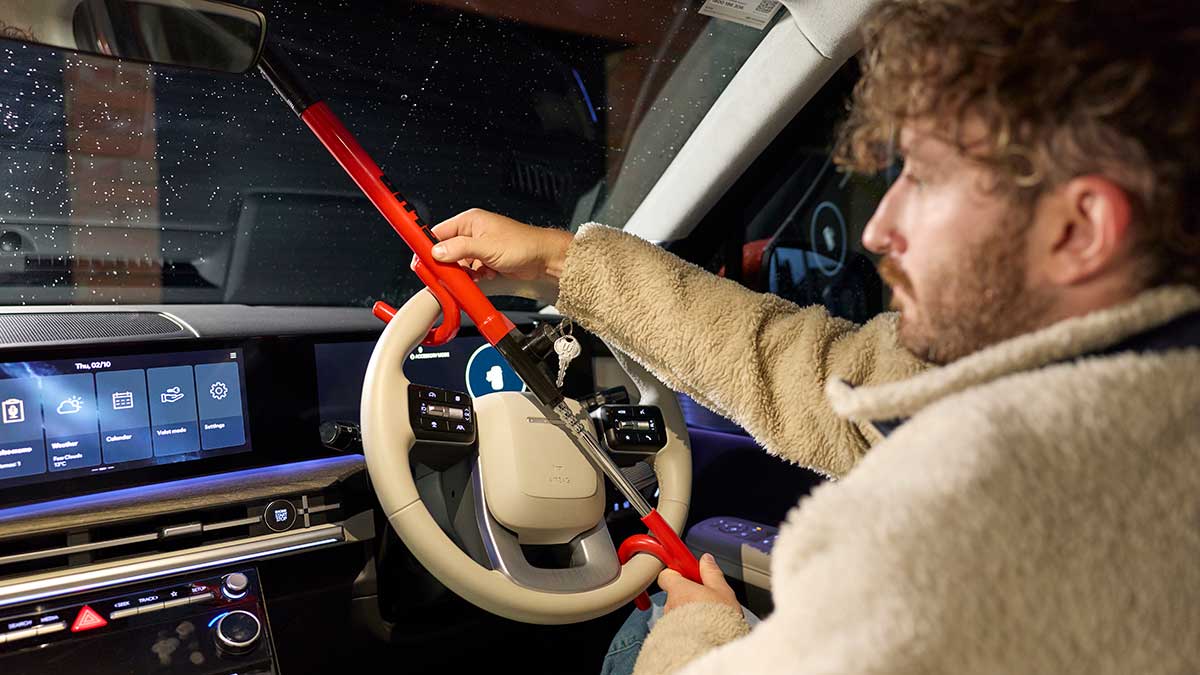
A steering wheel lock is a visible device that prevents the wheel turning and signals that a car is harder to steal.
Steering wheel locks restrict steering movement, making the car difficult to control unless the device is removed. Their effectiveness comes from visibility as they show upfront the vehicle will take more effort to steal.
How steering wheel locks work to prevent car theft
While they won't stop every attempt, steering wheel locks deter opportunistic behaviour by increasing time and effort. They are most effective when used consistently and combined with secure parking and lighting.
Steering wheel locks are best used as a visible first layer of defence, particularly when paired with electronic protection such as OBD locks.
Types of steering wheel locks
- Bar locks – clamp across the wheel
- T-bar locks – extend across the dashboard
- Cord locks – wrap and anchor inside the vehicle
- Pedal locks – restrict steering and braking
- Full cover locks – enclose the entire wheel.
How to choose the best steering wheel lock
- Ensure it fits your vehicle
- Choose one that is easy to use daily
- Opt for bright colours for visibility
- Consider weight and storage practicality.
Store the key separately from the vehicle: keeping it inside undermines the benefit.
Steering wheel locks are good security measures for both newer and older cars. Image: Getty
OBD locks (electronic car security protection)
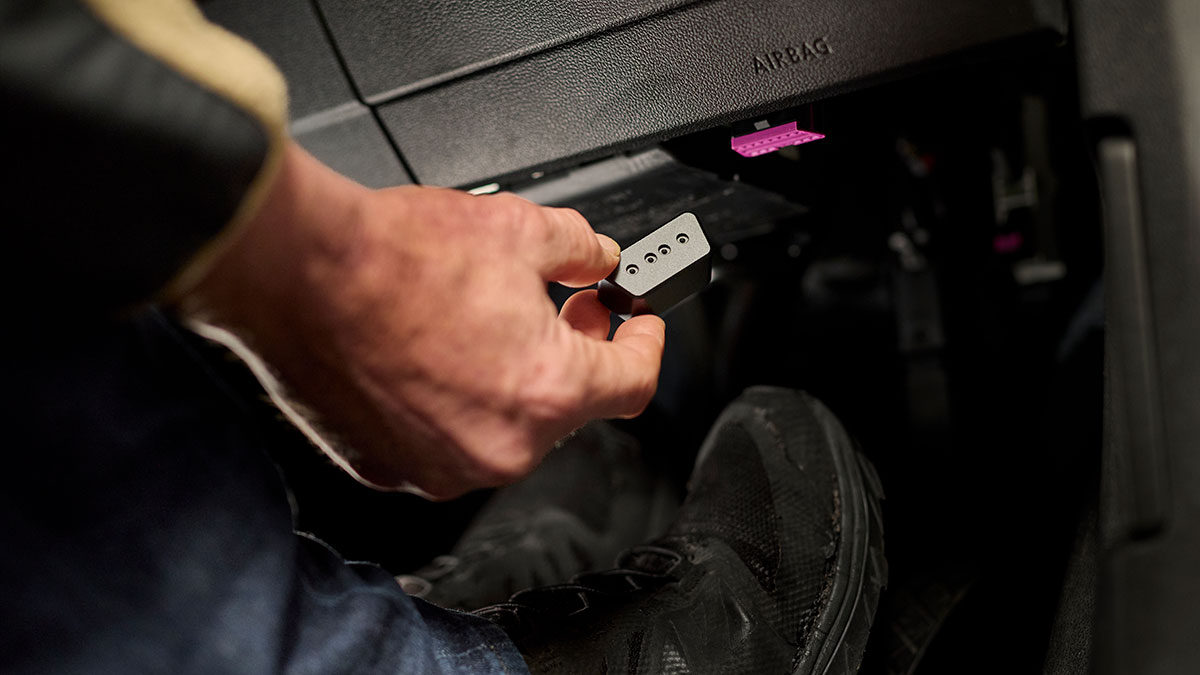
An OBD lock prevents access to a vehicle’s diagnostics port, blocking unauthorised connection to the car's systems.
Modern vehicles rely on onboard systems accessed through the OBD port. While essential for maintenance, it can also be a point of access if not protected. Devices connected to the OBD port can interact with the vehicle's systems, which is why restricting access can be an important additional safeguard.
How OBD locks protect your car
OBD locks fit over the port and require a key or code to remove. This helps prevent unauthorised devices from connecting to your vehicle.
OBD locks are most effective when combined with visible deterrents like steering wheel locks, which reduce the chance of someone getting inside the car in the first place.
Installation overview
- Locate port under dashboard
- Fit lock securely
- Reattach panel if required
- Test access is blocked.
Motorists should check compatibility with their vehicle and confirm any impacts on servicing or warranty.
An OBD lock can help prevent unauthorised devices from connecting to your car's systems. Image: Matt Harvey
Faraday pouches for keyless car security
A Faraday pouch blocks key fob signals, preventing a car from detecting the key when not in use.
Faraday pouches (also known as Faraday bags) are designed to shield electromagnetic signals used by keyless entry systems.
How Faraday pouches work for car keys
They use shielding materials to block signals including:
- Bluetooth
- Wi-Fi
- Radio frequency signals
- GPS
- NFC.
Why Faraday pouches matter for car security
Keyless entry systems rely on a signal between the key and the vehicle. If the signal is blocked, the car cannot detect the key.
Faraday pouches help protect access to your vehicle externally, while OBD locks protect internal systems. Together, they reduce both digital and physical entry points.
What to look for
- Fully sealed enclosure
- Durable construction
- Correct size
- Strong signal-blocking performance.
Test by placing your key inside and attempting to unlock the car.
A Faraday pouch or bag blocks key fob signals, helping to prevent relay theft. Image: Getty
Driveway bollards (home car security barriers)
Driveway bollards are physical barriers that prevent a parked car from being easily moved from a property.
Bollards create a clear obstruction, making it harder to remove a vehicle from a driveway or carport.
Why bollards improve car security at home
They increase the effort required to move a vehicle and are highly visible, signalling stronger protection.
Bollards are most effective when paired with lighting, CCTV and steering wheel locks to combine physical restriction with visibility.
Types of driveway bollards
- Fixed
- Removable
- Retractable
- Automatic.
Installation considerations
- Check local council requirements
- Consider professional installation
- Costs vary depending on type and complexity.
More: How driveway bollards can help protect your car from theft
Bollards create physical barriers that prevent a car being removed from your property. Image: Getty
Anti-theft number plate screws
Anti-theft number plate screws secure number plates with fasteners that cannot be easily removed using standard tools.
These are one of the simplest and lowest-cost upgrades available.
Why number plate screws help prevent theft
- Slow down removal
- Require specialised tools
- Deter opportunistic tampering
While small, this upgrade complements larger measures like bollards and steering locks by reducing easy opportunities for interference.
Additional tip: Ensure that you blur number plates in online listings and social media posts to reduce exposure.
More: How to help protect your car from number plate theft
Stolen Vehicle Tracking (recovery, not prevention)
Stolen Vehicle Tracking helps locate a car after theft but does not stop it from being taken.
Tracking systems can be built-in or aftermarket.
When tracking is useful
- After a theft has been reported
- To assist police recovery
Tracking works best alongside preventative measures such as steering locks, OBD locks and secure parking — not as a replacement for them.
What to check
- Whether it is activated
- Subscription requirements
- Who can access location data
Always contact police first if your vehicle is stolen.
More: What is Stolen Vehicle Tracking and how can it help recover stolen cars?
Anti-theft screws can help prevent number plate theft. Image: Getty
Car security at home: key investments and upgrades
For many motorists, the vehicle is most exposed where it is parked overnight. Home security measures work alongside in-car devices to reduce both access and concealment — strengthening overall protection.
Home upgrades that improve car security
These measures can complement home insurance designed to help protect your property and belongings.
- Motion-sensor lighting
- CCTV cameras
- Secure garage doors
- Anchor bolts
- Driveway bollards
- Clear visibility from the home.
More: Where do most car thefts occur in Victoria?
Car security checklist: what every driver should do
- Lock your car every time
- Close windows and sunroof
- Remove valuables and documents
- Store keys away from doors/windows
- Use a steering wheel lock
- Use a Faraday pouch for keyless cars
- Consider an OBD lock
- Fit anti-theft number plate screws
- Park in well-lit or secure areas
- Install motion lighting
- Consider CCTV and alarms
- Secure garage access
- Test devices regularly
- Review security when circumstances change
- Ensure that car insurance is up-to-date.
More: How to prevent car theft and protect your car
What to do if your number plates are stolen
- Report to police
- Visit VicRoads with ID
- Install anti-theft screws
- Notify insurer, roadside assistance and toll providers.
What to do if your car is stolen
- Contact police immediately
- Contact your insurer
- Activate tracking if available
- Do not attempt to recover the vehicle yourself.
The information provided is general advice only. Before making any decisions please consider your own circumstances and the Product Disclosure Statement and Target Market Determinations. For copies, visit racv.com.au. As distributor, RACV Insurance Services Pty Ltd AFS Licence No. 230039 receives commission for each policy sold or renewed. Product(s) issued by Insurance Manufacturers of Australia Pty Ltd ABN 93 004 208 084 AFS Licence No. 227678.

