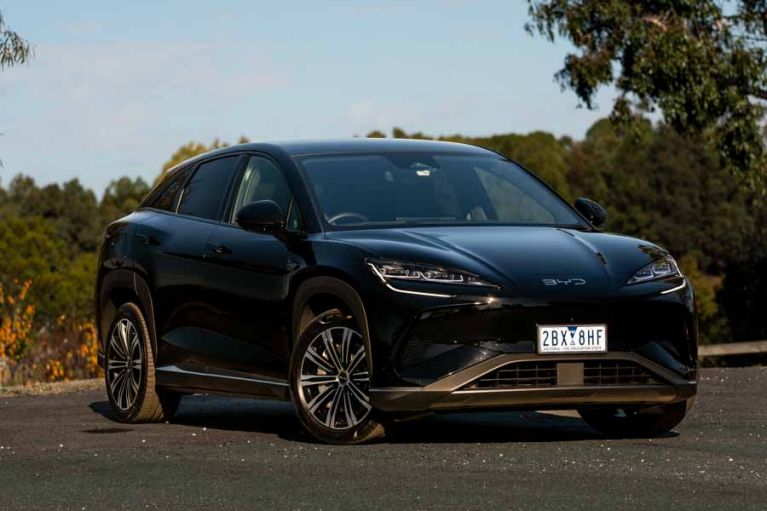
Strong demand for EVs has brought sharper prices for electric cars and SUVs, with many now below $40,000. Chinese brands are leading the charge: BYD, Geely, Jaecoo, GWM, MG, Chery, Leapmotor and others. Here are the cheapest EVs you can buy in Australia right now.
Electric
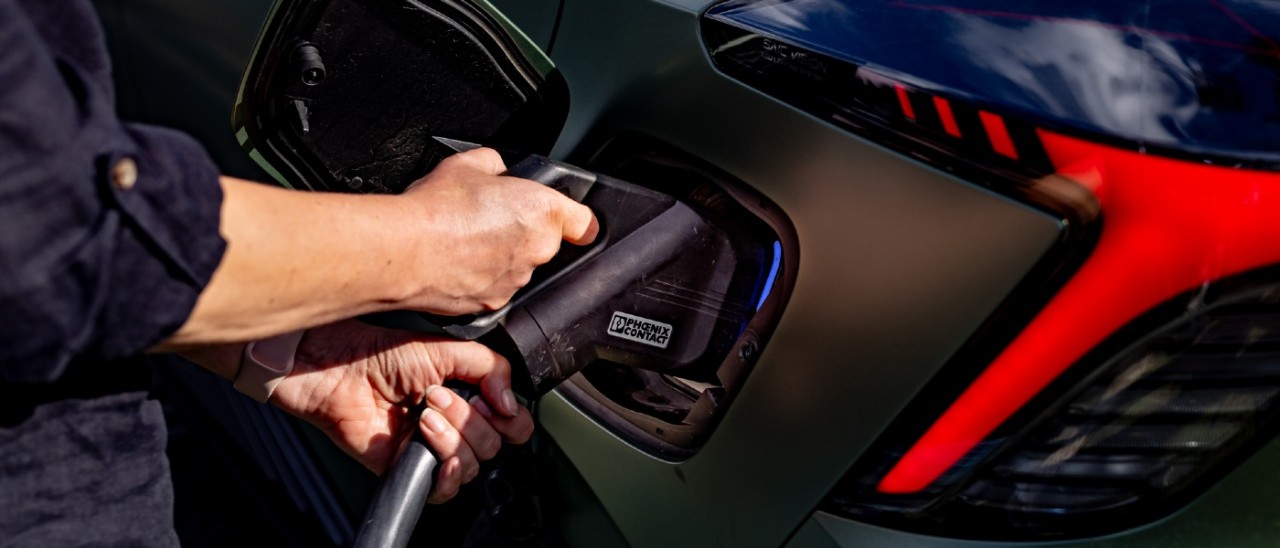
Why electric vehicles and modern cars are harder to steal
Are EVs harder to steal? Discover the security features that help protect modern cars, how thieves target vehicles today, and what drivers can do to reduce risk.
Modern vehicles are generally harder to steal than older models because they have multiple layers of security. Some EVs may also include additional digital features, such as external camera monitoring systems. Tesla’s Sentry Mode is one example, though these features vary by make and model.
Crime Statistics Agency data shows motor vehicle theft is rising in Victoria, with 32,013 incidents recorded in the year ending December 2025, up from 28,897 the previous year. By comparison, electric vehicles remain a relatively low target for thieves.
Among EV-only brands, Tesla was the only marque to appear in Crime Statistics Agency theft data for the year ending December 2025, with four vehicles recorded stolen: two Model 3s and two Model Ss. No Model X or Model Y vehicles were listed.
Other EV-focused brands, including Polestar, BYD, Leapmotor, Zeekr and GWM (Great Wall Motors), did not appear among the recorded stolen vehicle makes.
That low number does not mean EVs or other modern vehicles are theft-proof. Owners of late-model petrol and diesel cars, plug-in hybrids (PHEVs) and battery electric vehicles (BEVs) still need to stay vigilant.
RACV Head of Motor Insurance and Roadside Products Kirsty Hayes says that while many newer cars and EVs include advanced security technology, opportunistic theft can still occur.
“That’s why it’s important for drivers to understand their vehicle’s security features and take practical steps to reduce risk, such as keeping keys out of sight and parking in secure locations where possible.”
Related reading: Most stolen cars in Melbourne and regional Victoria
| Feature | ||||
|---|---|---|---|---|
|
Immobiliser |
|
|
||
|
Standard audible perimeter alarm |
Monitors entry points, such as doors, bonnet and boot/tailgate, triggering the horn and hazard lights if forced open while armed. |
Can startle an intruder, and increase the chance of someone nearby noticing and reporting the suspicious activity. |
||
|
Coded or encrypted keys |
Uses unique digital codes to communicate with the car. |
|
||
|
Electronic start authorisation |
Requires the vehicle to verify the key or device before starting. |
Adds an electronic check before the engine will turn on. |
||
|
Connected vehicle functions |
Uses the car’s software and connectivity for features such as Stolen Vehicle Tracking, alerts or remote controls. |
Can help owners monitor the vehicle and respond more quickly to suspicious activity. |
||
|
Smartphone as a key |
Lets a phone act as the vehicle key in some models. |
Can add controlled digital access, although security varies by system. |
||
|
PIN to drive |
Requires a driver-entered code before the car can be driven. |
Adds another barrier even if someone gets inside the vehicle. |
||
|
External cameras |
Monitors activity around the car when parked or unattended. |
Can deter tampering and capture footage of suspicious behaviour. |
||
|
Live app alerts |
|
Can help owners act quickly if something seems wrong. |
||
|
Sentry mode |
A monitoring feature that uses the vehicle’s external cameras while parked. It's found on new Tesla models and the Zeekr 7X, for example. |
When a person approaches the parked car, the vehicle displays a prominent on-screen warning that the cameras are recording. |
No security feature is foolproof. Some thefts now involve relay devices, stolen keys or OBD-port key programming rather than older hotwiring methods.
These features vary by make and model. They do not make a vehicle impossible to steal, but they can increase the time, effort and risk involved.
Victoria Police say more than 10,000 vehicles are stolen by thieves using electronic devices each year – that’s about 30 cars stolen every day in Victoria.
If you’re buying a car, it is worth doing your research and comparing security features. RACV Car Match shows whether a vehicle has keyless entry, which may be an important detail if you’re considering a second-hand car. To check, go to Car Match, select the car you’re interested in, then scroll down to Convenience and open the tab to see whether the vehicle includes keyless entry.
More: Research and compare new cars, EVs, SUVs and utes on sale today in Australia
Why electric vehicles have an extra security edge
Depending on the model, these may include app-based locking and unlocking, vehicle location services, digital key management, and external cameras or monitoring systems.
Some EVs also have charging cables that lock in place while connected, which can make the vehicle harder to move while charging.
Together, these functions can add extra barriers to theft, although they are not universal across all EVs.
EVs are not theft-proof, and security standards differ between manufacturers and models. But in some cases, their more software-driven systems can add further obstacles for thieves compared with older vehicles.
More: EV road safety essentials: what every driver needs to know
How car theft has evolved
Newer vehicles are harder to hotwire, but theft methods have evolved. Relay theft uses electronic devices to capture, repeat or amplify the signal from a key fob so that the vehicle detects the key as being nearby.
In other cases, thieves steal the owner’s actual keys during a burglary or from an insecure location inside the home. This means some late-model vehicle theft now depends more on access to keys or signals than on overcoming the older security barriers that once made hotwiring possible.
Another method involves the on-board diagnostics port, or OBD port. This socket is designed for legitimate servicing and diagnostics, but thieves can misuse electronic key-programming devices to communicate with the vehicle’s computer, program a new key fob or even start the engine without the original key. That makes some push-start vehicles especially vulnerable if criminals can access the port quickly and discreetly, turning a service tool into a theft method.
What drivers can do to help protect their vehicles
Built-in security is important, but owner behaviour still matters.
Neighbourhood Watch Victoria CEO Bambi Gordon says the best way to protect your car is to always lock all doors, keep keys and fobs out of sight and away from doors or windows, and park in a locked garage or behind a gate where possible.
For vehicles with keyless entry, a Faraday bag or box may help reduce relay-theft risk. For some push-start vehicles, an OBD lock can add a useful physical barrier by blocking access to the diagnostic port that thieves may use to program a new key or start the car without the original key.
However, Gordon warns that OBD locks are a deterrent rather than a strong preventive measure, as they can be removed with certain tools. That’s why visible deterrents still have an important role to play – and one of the easiest, most effective options is a highly visible steering-wheel lock.
Gordon also suggests using other measures, such as driveway bollards, and secure parking and sensor lighting, to help make your vehicle less attractive to thieves.
“Anything that makes a thief aware that the theft won’t be easy and there is a chance they will be spotted is great protection for your car,” Gordon says. “Thieves are after low risk and high return.”
The How Safe Is My Place quiz can help you identify vulnerable points in and around your home so that you can take precautions to protect your vehicles and other contents.
The information provided is general advice only. Before making any decisions please consider your own circumstances and the Product Disclosure Statement and Target Market Determinations. For copies, visit racv.com.au. As distributor, RACV Insurance Services Pty Ltd AFS Licence No. 230039 receives commission for each policy sold or renewed. Product(s) issued by Insurance Manufacturers of Australia Pty Ltd ABN 93 004 208 084 AFS Licence No. 227678.