
Find your aloha in Hawai'i. These are the best things to see on do on each major Hawaiian island.
International
Hawaii travel guide and safety advice
Make the most of your Hawaii trip with practical tips on getting around, avoiding crowds, and planning must-do experiences.
Planning a holiday to Hawaii from Australia?
From entry requirements and currency to tipping and safety advice, this guide covers what Australians need to know before travelling to one of the world's most popular tropical island destinations.
RACV Travel & Experiences is your one-stop shop for travel, with RACV Members saving on tours, cruises, holiday packages, travel insurance and more.
Do Australians need a visa for Hawaii?
Australians travelling to Hawaii for tourism must apply for an Electronic System for Travel Authorization (ESTA) under the United States Visa Waiver Program.
An approved ESTA is generally valid for two years or until your passport expires - whichever occurs first. Each visit to the United States can last up to 90 days, and extensions are not permitted. Applications are completed online through U.S. government channels and should be submitted at least 72 hours before departure.
The cost of an ESTA is around $40 USD. Entry requirements and application fees can change, however, so it's important to check the latest information before travelling.
More: How to keep your passport safe when travelling overseas
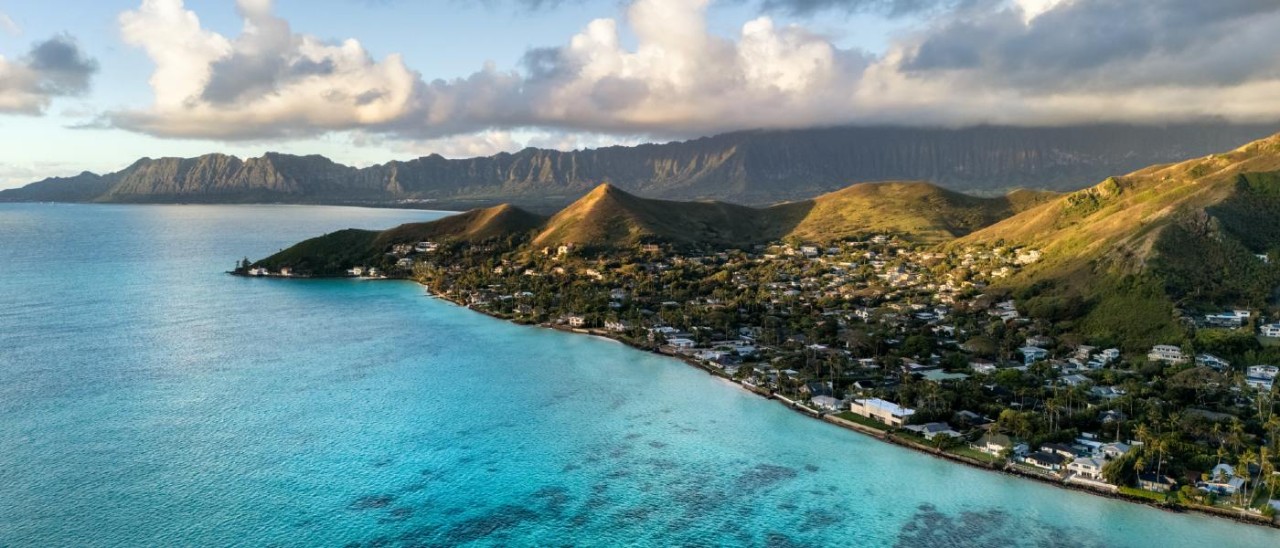
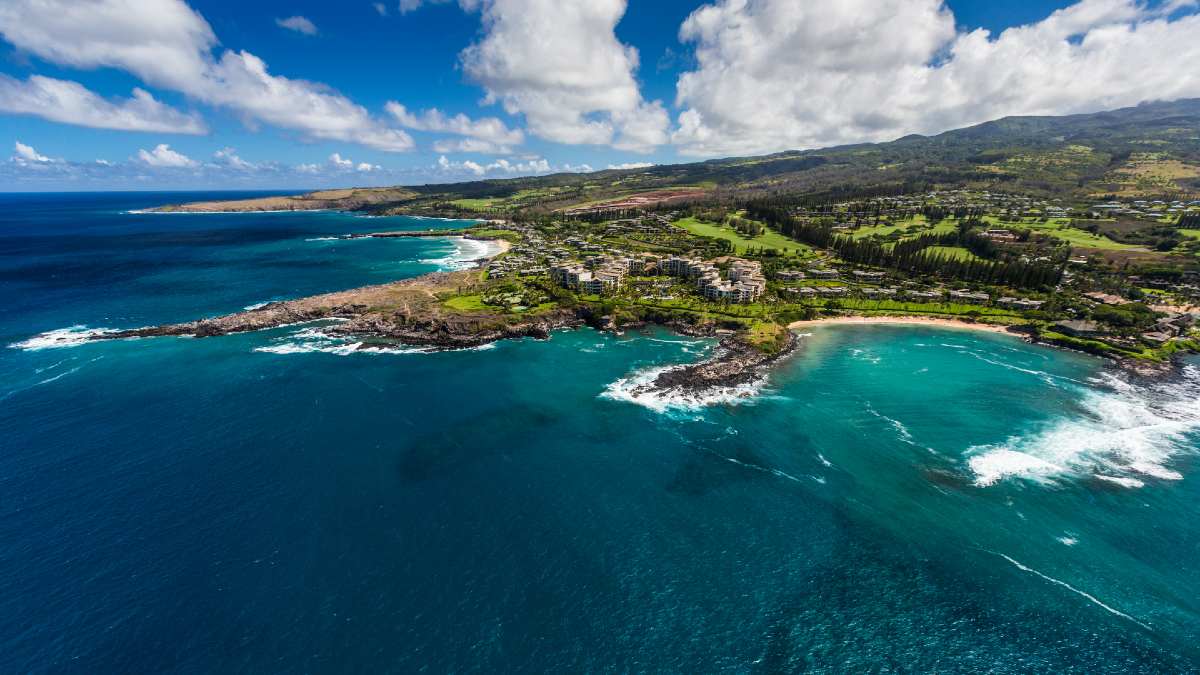
Hawaii is one of the world's most popular tropical travel destinations. Image: Hawaii Tourism Authority
Arriving in Hawaii from Australia
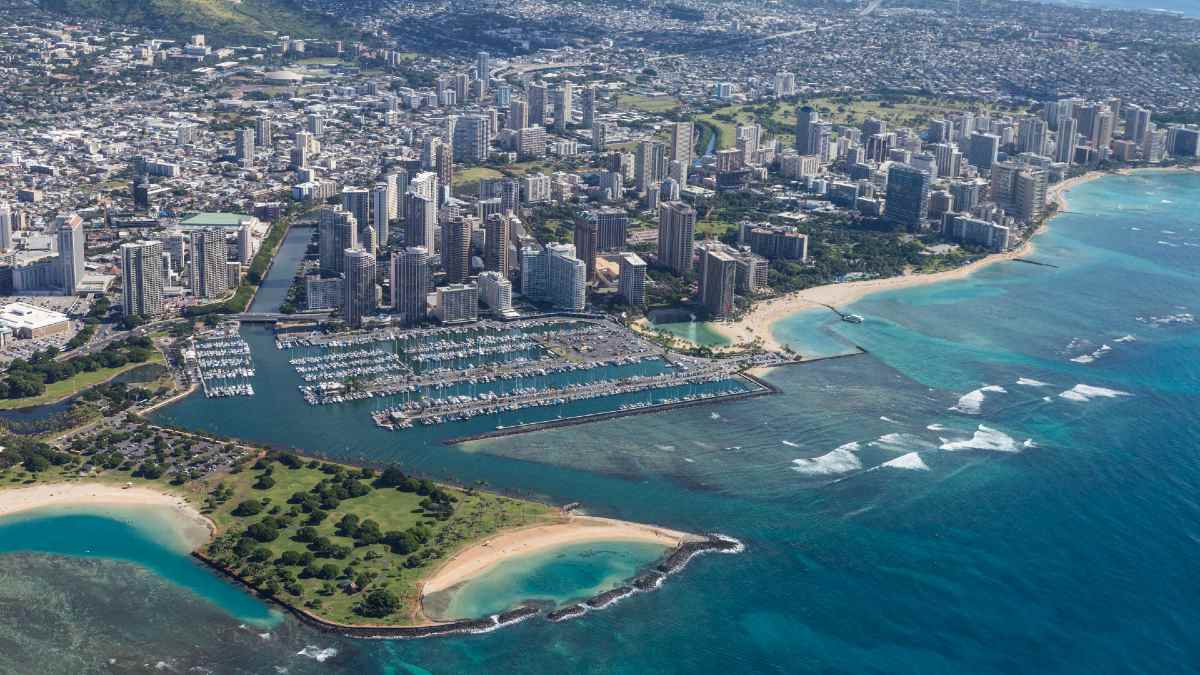
Flights from Australia arrive at Daniel K. Inouye International Airport (HNL) in Honolulu, located on the island of Oahu.
Travellers heading to other islands such as Maui, Kauai or the Big Island will need to book a separate domestic flight, with Hawaiian Airlines and other U.S. carriers offering regular inter-island services.
Traffic between Honolulu Airport and Waikiki can be heavy, particularly during peak hours, so allow extra time when planning transfers.
Currency and money in Hawaii
Hawaii uses the United States Dollar (USD).
Currency exchange services are available at airports, major tourist precincts and authorised exchange counters, though many travellers rely primarily on credit or debit cards. Exchange rates fluctuate, so check the current AUD to USD rate before travelling and consider notifying your bank of your overseas plans.
Visa, Mastercard and American Express debit and credit cards are widely accepted across hotels, restaurants and shops.
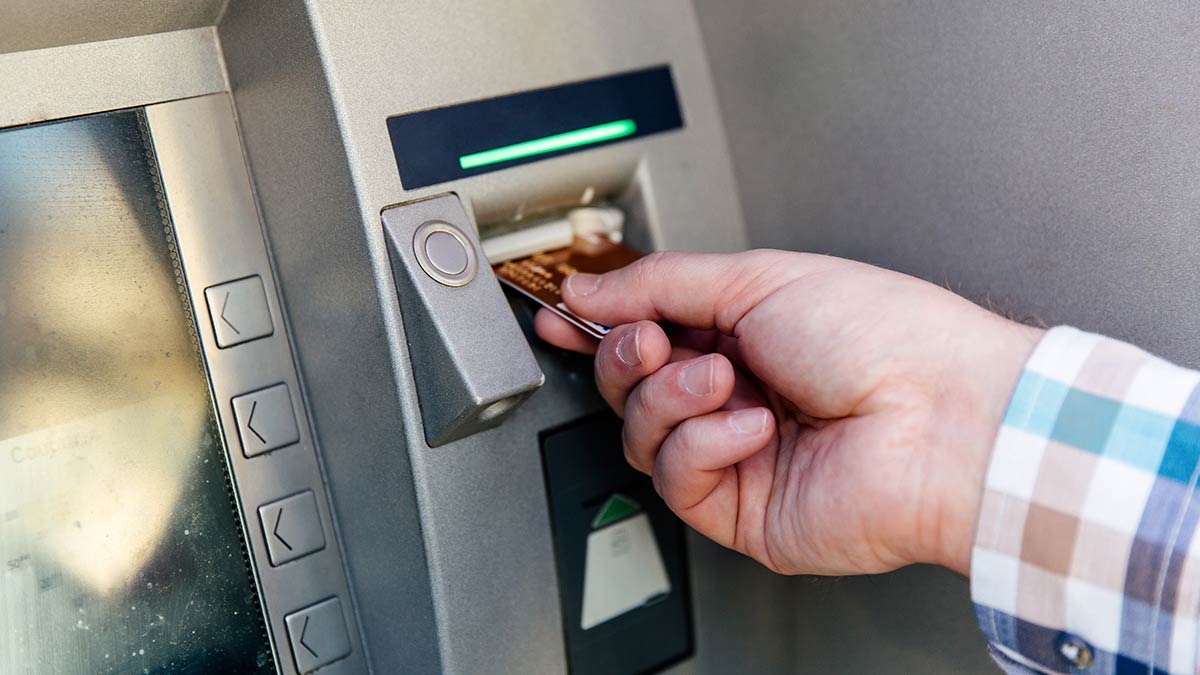
Tipping is a standard part of hospitality in Hawaii. In restaurants, a gratuity of around 18-22 per cent of the pre-tax bill is common. Tips directly support hospitality workers, many of whom rely on them as part of their income. Carrying small denominations such as USD $1, $5 and $10 notes is recommended for easy tipping.
Carrying small denominations of the United States Dollar (USD) is recommended for easy tipping. Image: Getty
Food and dining in Hawaii
Hawaii's food scene reflects its heritage, blending local Hawaiian flavours with strong Pacific, Japanese and American influences. The famous Waikiki neighbourhood of Honolulu offers a wide range of dining options, from casual poke bowl counters at local supermarkets to high-end restaurants and Japanese sushi and ramen venues.
Local favourites include fresh seafood, acai bowls, tropical fruit, nuts and Kona coffee. Getting a dole whip is a must in Hawaii: it's a creamy but dairy-free pineapple soft-serve with a sweet, tart flavour.
Many restaurants and bars in tourist areas offer happy hour specials in the late afternoon, which can be a cost-effective way to dine out. Dining specials on Sundays are also prevalent from the early morning at bars and restaurants showing NFL games.
Popular venues often book out, especially during peak travel periods, so making reservations in advance is recommended.
Resort fees, parking fees and other accommodation costs
Some hotels and resorts charge daily resort fees on top of advertised nightly rates secured on booking platforms. These fees may cover amenities such as Wi-Fi, pool access and fitness centres, even if you don't use them.
Resort fees, parking fees and taxes are often added at check-out rather than included upfront, so factor these additional costs into your accommodation budget to avoid bill shock.
If you're renting a car, ensure that you budget for parking fees of around $50 USD/day at hotels and resorts, with on-street parking very limited in tourist areas.
Some resorts and hotels charge daily resort fees on top of advertised rates. Image: Hawaii Tourism Authority
Staying connected while in Hawaii
Australian mobile providers including Telstra, Optus and Vodafone offer international roaming in the United States, typically charged on a daily basis. Some budget providers also offer lower-cost international roaming options.
Before travelling, review your provider's roaming inclusions and costs to avoid unexpected charges. Using hotel or accommodation Wi-Fi where possible can help reduce data usage. For security, only connect to trusted networks and disable Wi-Fi auto-connect when not in use.
Emergency number
The emergency number in Hawaii is 911.
Local laws in Hawaii
The legal drinking age in Hawaii is 21, and identification checks are commonly enforced. Smoking is prohibited in many public areas, including enclosed spaces and some beaches. Drug laws are strict, and penalties for possession can be severe.
Prescription medications should be carried in their original packaging, and travellers may wish to bring a copy of their prescription or a doctor's letter.
Cultural customs in Hawaii
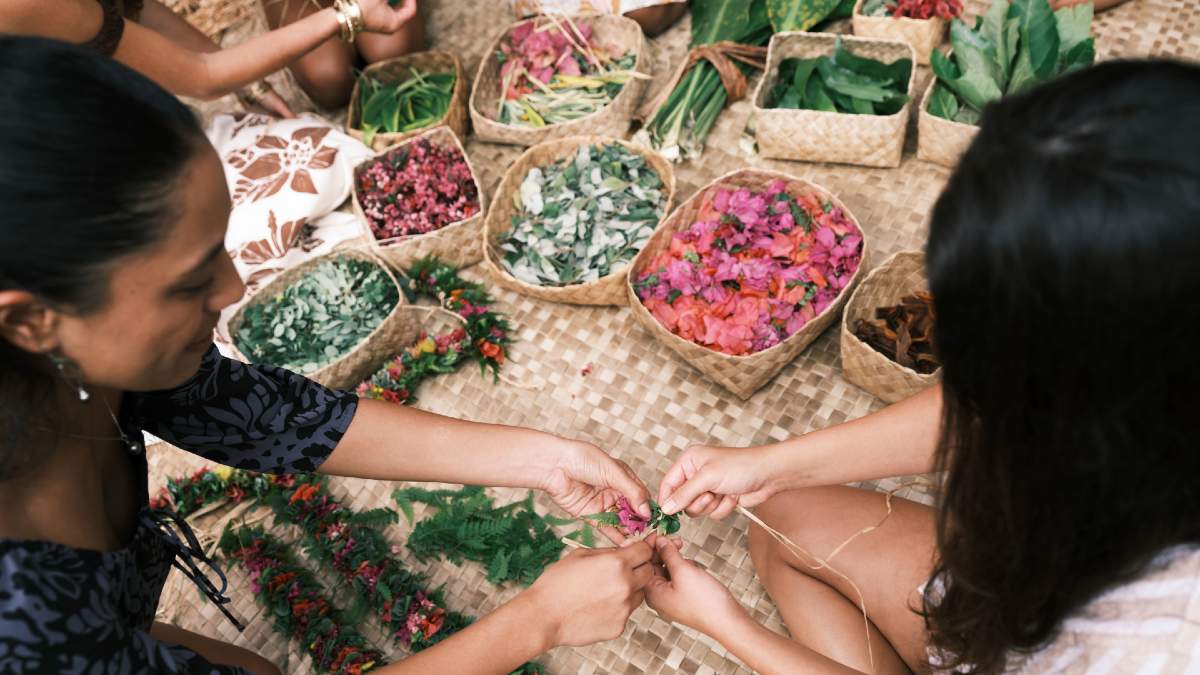
Respect for local culture is an important part of visiting Hawaii. The word 'aloha' represents kindness, respect and harmony, and visitors are encouraged to show aloha by supporting local businesses, respecting cultural and sacred sites, staying on marked trails and avoiding littering.
The shaka hand gesture, often seen across the islands, is a friendly sign used to say hello, goodbye or thank you.
Respect for local culture is an important part of visiting Hawaii. Image: Hawaiian Tourism Authority
Is Hawaii safe to visit?
Hawaii is generally considered a safe destination for travellers, though standard precautions apply when visiting the U.S. Avoid leaving belongings unattended on beaches or in vehicles, and use hotel safes for valuables such as passports and cash.
Natural hazards can occur in Hawaii. Tsunami alerts are part of Hawaii's emergency system, and visitors should follow local advice and move to higher ground if instructed. Bushfires have occurred in recent years, particularly during dry conditions.
Ocean conditions can change quickly. Check local warnings before swimming or hiking, and take care at beaches known for strong waves and currents, including parts of Oahu's North Shore. Not all beaches are patrolled, so understanding local beach safety signage is important.
Hawaii has limited dangerous wildlife. There are no snakes, and shark encounters are rare. Wild, free-roaming chickens and roosters are very common across the islands and are protected – abstain from feeding them.
Getting around Hawaii: driving and public transport
Oahu, the most-populated island, has a well-developed public transport system, including TheBus network, which services most of the island. A new rail line is under development and is expected to improve connectivity between Honolulu and the airport in the future.
Rideshare services are available in Honolulu, though fares may be higher during busy tourist periods. On outer islands, rideshare coverage can be limited, making car hire a practical option for exploring at your own pace.
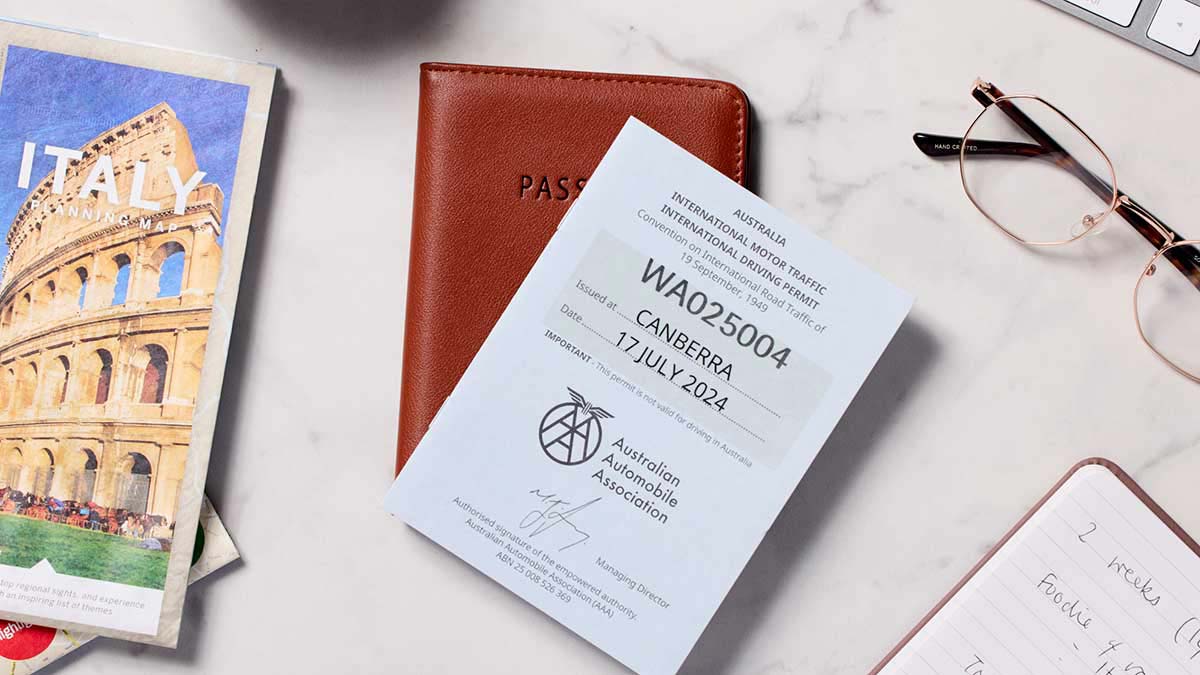
An International Driving Permit (IDP) is not required for Australians to drive in Hawaii, although it is recommended. If you need an IDP, RACV is Victoria's only authorised seller. You can either apply online or in person at an RACV retail store. You should also carry a copy of your passport and your physical driver's licence while driving and ensure that you have appropriate insurance for your vehicle.
Rental Vehicle Insurance is offered by the rental car company when you pick up the vehicle and applies to the rental car for the period you’ve hired it. Rental car excess cover, on the other hand, helps cover the excess you may be charged if that rental car is damaged or stolen. RACV Travel Insurance includes rental car excess cover on its Comprehensive and Essentials policies.#
It's important to understand that Rental Car Excess cover does not replace Rental Vehicle Insurance. It only covers the excess you’re liable to pay, up to the policy limit - you still need the rental company’s insurance in place.
#Limits, sub-limits and exclusions apply. Refer to the Product Disclosure Statement for full details.
RACV Members also save on rental cars in Hawaii.
More: Driving overseas guide: licences, International Driving Permit, insurance and road rules
It's recommended to carry an International Driving Permit when driving in Hawaii. Image: AAA
Do I need travel insurance for Hawaii?
Medicare does not cover medical treatment in Hawaii, and medical treatment in the US is generally considered to be very expensive.
Consider travel insurance that includes:
- medical, hospital and dental cover in case of emergency
- cancellation fee and lost deposit cover
- sports and activities cover, if you plan to engage in hikes, water activities, vehicle activities or other adventure activities
- rental car excess insurance, if you plan to hire a car
- moped/scooter and motocycle cover (automatically included).^
The above information is a brief overview of benefits. For complete details, including terms, conditions, and exclusions, please read the Product Disclosure Statement.
RACV Members save on travel insurance for the United States.
Top things to do in Hawaii
- Waikiki Beach is one of Hawaii's most famous locations, offering turquoise waters, beachfront dining options and stunning sunset views.
- Diamond Head Crater is a popular hike near Honolulu and Waikiki Beach, with panoramic views over Honolulu and the Pacific Ocean. Entry is ticketed, and early morning visits are recommended to avoid heat and crowds on the trail.
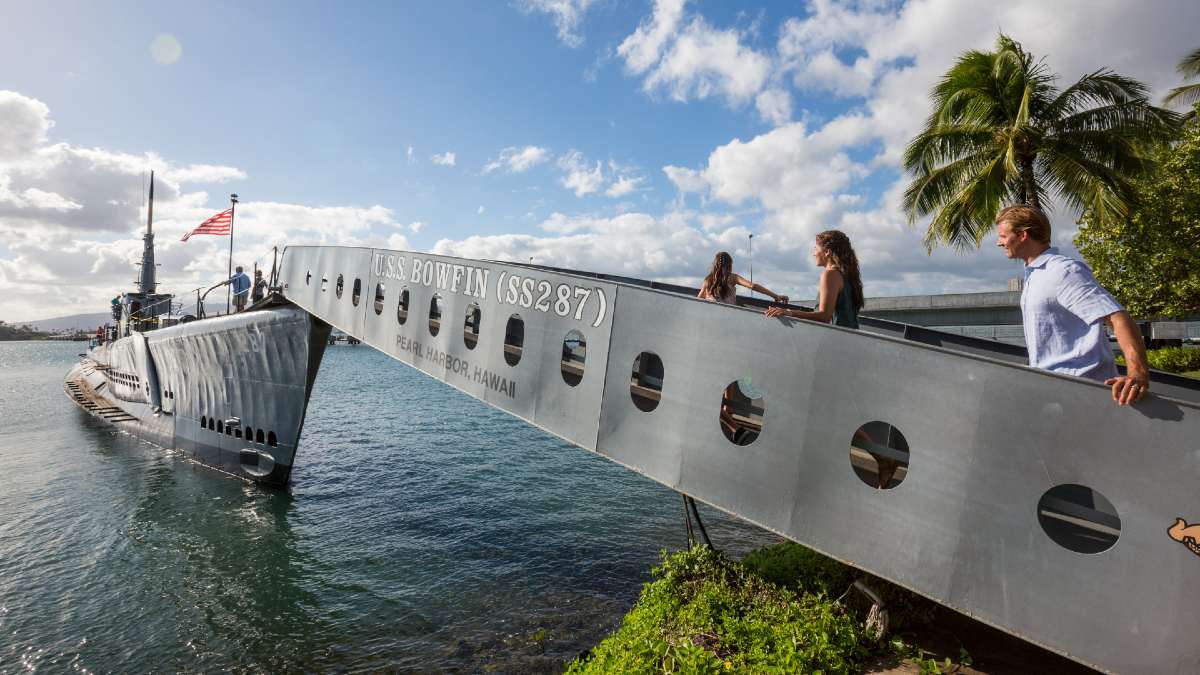
- A visit to Pearl Harbor provides insight into a pivotal moment in World War II history, with memorials and museums dedicated to those killed by the 1941 attack.
- Oahu's North Shore is famous for its surf beaches like Banzai Pipeline and Waimea Bay. Visit the Polynesian Cultural Center to witness traditions from across the Pacific, and stop at the Dole Pineapple Plantation for a dole whip en route.
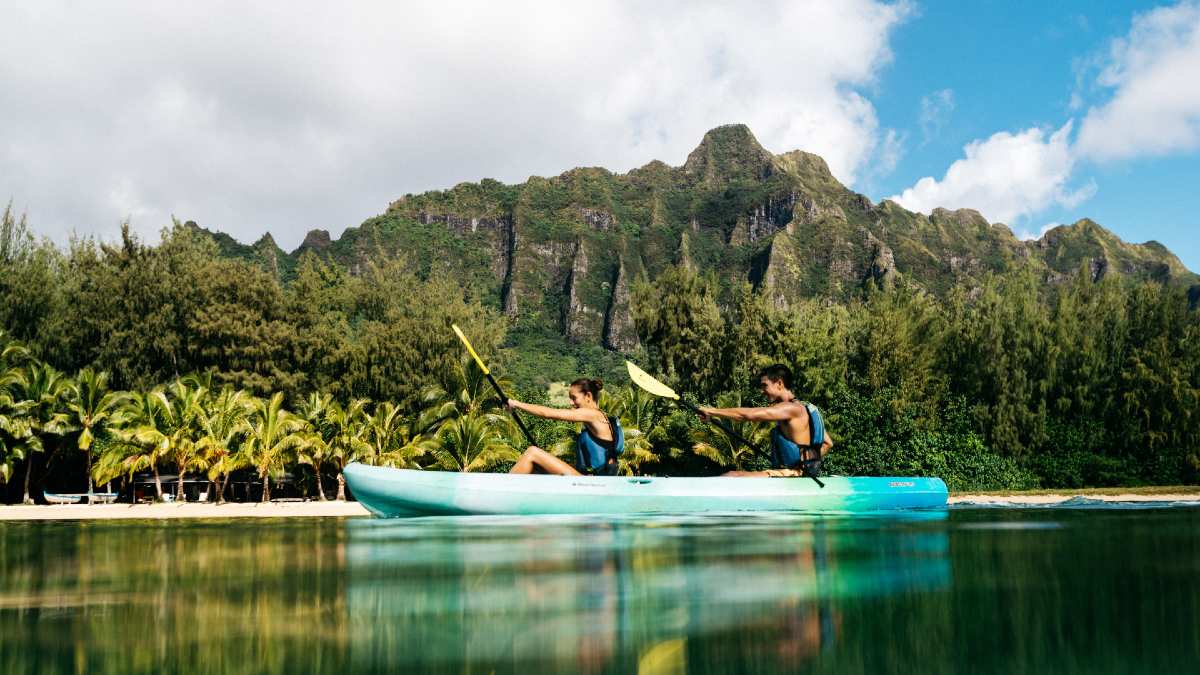
- Kualoa Ranch on Oahu's east coast offers guided tours through dramatic landscapes used as filming locations for major movies, including Jurassic Park.
- On Maui, the Road to Hana is a scenic drive through rainforests and waterfalls. Conditions can change, so check local advice before setting out.
Pearl Harbor is one of Hawaii's top attractions. Image: Hawaiian Tourism Authority
Frequently asked questions about Hawaii
When is the best time to visit Hawaii?
Hawaii's weather varies between islands due to microclimates created by mountains and volcanic terrain. Peak travel periods include July to September and December, particularly around Christmas and New Year. Shoulder periods may be more affordable. Booking accommodation and activities well in advance is recommended during these times.
What should I pack for Hawaii?
Lightweight, breathable clothing is suitable year-round. Pack comfortable walking shoes, swimwear and sturdy footwear if you plan to hike.
Is it acceptable to wear an aloha shirt in Hawaii?
Yes. Aloha shirts are widely worn by locals and visitors alike and can be appropriate for both casual and some semi-formal occasions.
Do I have to tip in Hawaii?
Yes. Tipping is customary in Hawaii at restaurants, bars and hotels, with around 18–22 per cent expected based on the pre-tax bill.
Does Hawaiian pizza come from Hawaii?
Hawaiian pizza is available in Hawaii, but it was invented elsewhere and is not considered a traditional Hawaiian dish.
Kualoa Ranch offers tours through dramatic landscapes. Image: Hawaiian Tourism Authority
Quick Hawaii travel checklist for Australians
- Valid Australian passport
- ESTA
- Travel insurance with medical cover
- No fresh food coming through customs
- International Driving Permit (IDP) for car rentals
- Know the emergency numbers and consulate contacts
More: When to book travel insurance
Final tips for Australians travelling to Hawaii
- Check your travel insurance policy for conditions, limits and exclusions. For example, RACV Travel Insurance covers most amateur sports and activities when you meet specific criteria. Ensure you read the relevant Product Disclosure Statement for details.
- Take care in the hot, tropical weather. Sunstroke can land you in hospital and ruin your holiday.
- Respect aloha by staying on marked trails, taking rubbish with you and treating cultural sites with care.
The information provided is general advice only. Before making any decisions please consider your own circumstances and the Product Disclosure Statement and Target Market Determinations. For copies, visit racv.com.au. Royal Automobile Club of Victoria (RACV) Ltd AR 001243563 is an authorised representative of the issuer and receives commission for each policy sold or renewed. RACV Travel Insurance issued by Tokio Marine & Nichido Fire Insurance Co., Ltd ABN 80 000 438 291 AFSL 246 548. Terms & conditions apply, refer to the PDS.
#Limits, sub-limits and exclusions apply. Refer to the Product Disclosure Statement for full details.
^ Mopeds and scooters: The driver must hold a current Australian Driver's Licence (this doesn't include a learner's permit) or a valid driver’s licence for the country in which they're driving, even if that country does not require the policy holder to have a valid driver’s licence. Motorcycles: The driver must hold a current Australian Motorcycle Licence or a valid driver’s licence for the country in which they're driving, even if that country does not require the policy holder to have a valid driver’s licence. Mopeds, scooters, motorcycles, quad bikes: Both the driver and passenger must be wearing a helmet. Mopeds, scooters and motorcycles: Cover is only provided for injuries sustained whilst on the moped, scooter, or motorcycle - there is no cover for damage to any two-wheeled vehicles.

