
How often should you clean your gutters? Learn how regular gutter maintenance protects your home from water damage, pests, mould and bushfire risks.
Maintenance
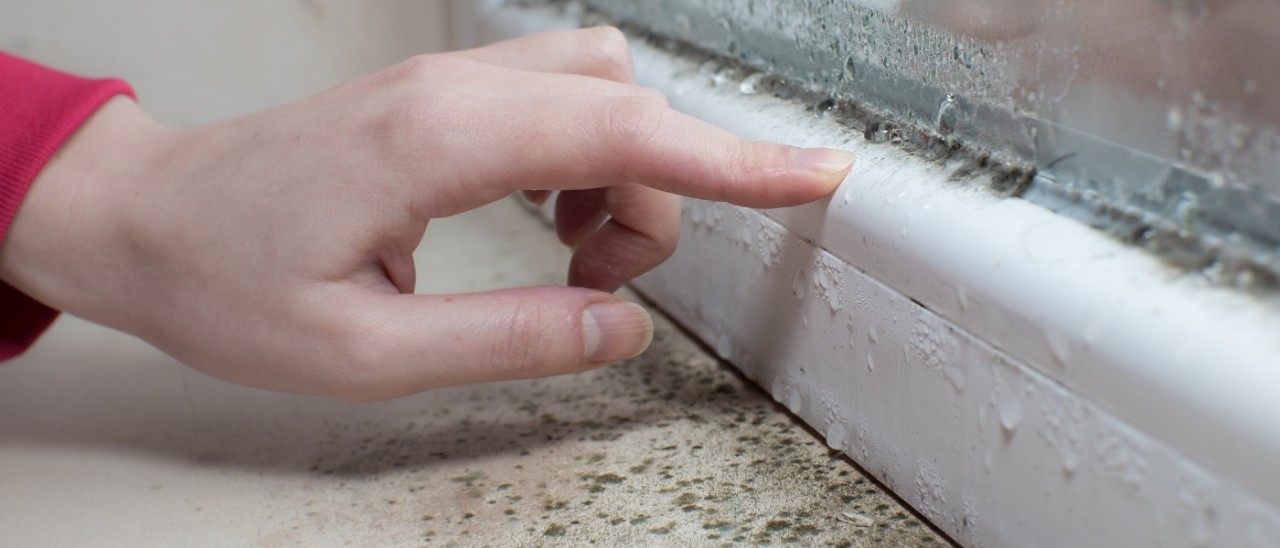
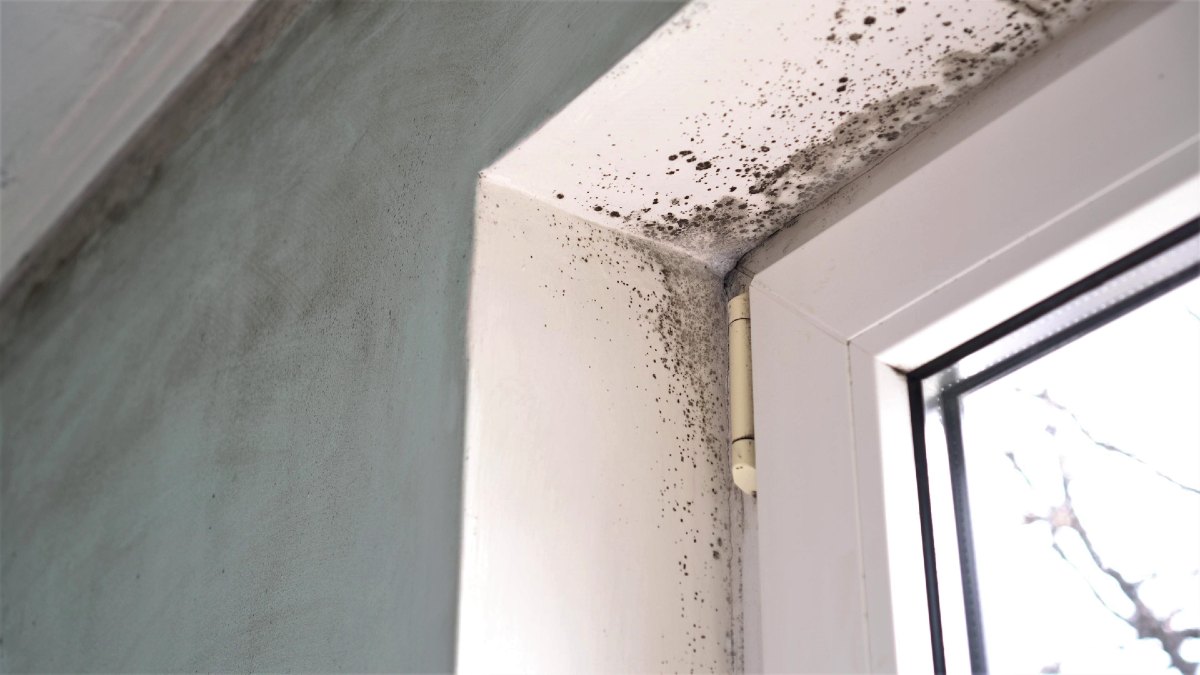
What’s the difference between mould and mildew?
Discover the key differences between moisture-loving mould and mildew to help stop it in its tracks and prevent it returning for good.
Mould and mildew are rarely welcome visitors, with many property owners acting swiftly to prevent consequent health or structural issues.
But before you reach for your cleaning products it’s important you understand the difference between mould and mildew to ensure you’re addressing the problem effectively.
Learn what distinguishes mould and mildew, what to do if you spot them, how to prevent them forming in the first place, and when a building inspection might be needed.
In this article
Mould vs mildew: what’s the difference?
Mould and mildew are similar but not the same. Both organisms are types of fungi but their typical appearance, preferred environment and risks differ.
Is mould or mildew worse?
Generally speaking, mildew is easier to remove than mould and presents fewer health risks to humans. This is because it typically forms only on the surface of materials in wet areas, is less invasive, and can often be wiped away. Mildew can also develop on clothing that is left damp for too long in a washing machine or laundry basket, but it can usually be removed by rewashing or dry cleaning.
In comparison, mould tends to aggressively permeate and spread through porous materials (making it harder to remove) and can be symptomatic of a larger, and possibly hidden, moisture issue.
How to tell whether it’s mould or mildew
Mould |
Black, green, blue, brown or white |
Fuzzy, slimy or patchy |
Throughout the home where moisture is present (visible or otherwise) |
Typically no |
|---|---|---|---|---|
Mildew |
White, grey or yellowish |
Flat or powdery |
On surfaces in wet areas (bathroom tiles, laundry windows etc) |
Yes |
Causes of mould and mildew in the home
Mould and mildew are both caused by excessive moisture in your home. This can be caused by several issues, including:
- poor ventilation
- condensation
- water leaks (including hidden water leaks)
- rising damp
- plumbing or roofing issues.
Related reading: Guide to house roof leaks, repairs, maintenance and reroofing
Where do mould and mildew commonly appear
Areas in your home that come into contact with water are at risk of developing mould or mildew. This includes:
- bathrooms
- laundries
- kitchens (especially under or around sinks).
Although less common, mould and mildew can appear in bedrooms too, especially if there is rising damp in the walls. If your mattress is regularly exposed to moisture, mildew may grow on the surface or mould under the surface.
House cleaning hacks and tips: How to keep your home clean with less effort
Areas that feature poor ventilation, high humidity, or a lack of sunlight can also be attractive to mould. As these spaces may not be visible all the time, mould can proliferate in these locations undisturbed (especially if there is moisture).
- Cupboards and wardrobes
- Ceilings
- Cabinetry
- Walls and floors covered by furniture
- Basements and subfloors.
Want to save money on your laundry bills? Practical tips for saving energy and water
Mould and mildew sometime form in laundries due to higher humidity levels caused by dryers. Image: Getty
Dangers of mould and mildew
Is mould or mildew bad for your health?
The Victorian Department of Health reports that breathing in mould can lead to respiratory issues like sneezing, coughing, wheezing, congestion and even infections. People with weakened immune systems, asthma or allergies are more likely to be impacted, but even healthy individuals can be affected. The risk of health issues is greatest with prolonged exposure.
Mildew can also cause similar health problems. However, as it tends to only form on surfaces, it is often noticed and removed before it becomes hazardous.
Can mould damage your home?
Yes, mould and mildew can damage your home. Mould can be particularly damaging, as well as often being symptomatic of a larger defect within the building.
Mould eats away at organic materials in your home, such as timber and drywall. Overtime this can cause major structural and safety issues, including rotten beams, crumbling walls and sagging timber floors.
If you notice reoccurring mould in your home or any of the above building issues, it could be a sign of a hidden moisture problem in your home. It can likewise be a red flag if noticed when viewing a property for sale.
Professional building inspections can assist in finding mould in out-of-the-way locations like roof cavities and sub-floors. These inspections can also be helpful in identifying moisture problems before they become visible, thanks to the thermal cameras and moisture meters used by the inspectors.
Related reading: The most common issues and defects in new home builds.
How to prevent mould and mildew in your home
Mould and mildew are easier to prevent than to remove. You can help prevent mould and mildew in your home by:
- opening windows regularly (even in winter)
- using exhaust fans (clean them regularly to ensure efficiency)
- removing condensation with a towel or squeegee
- fixing leaks as soon as they’re apparent
- creating airflow behind furniture (don’t position directly against a wall or window)
- avoid leaving wet items, such as laundry, sitting in a basket for too long
- consider a dehumidifier.
- use a waterproof mattress protector if there are issues with humidity in your bedroom.
Can you clean mould and mildew yourself?
Depending on the scale of the issues, you may be able to remove mould or mildew by yourself.
A simple home remedy is a 1:1 ratio of vinegar and warm water mixed together and sprayed onto the offending area. Leave it for a few hours before wiping off.
Find out more about how to remove mould from bathrooms, bedrooms and even clothes.
You’ll need to address the root cause of the mould or mildew to prevent it from returning.

