
Here's how to spot the warning signs, deal with infestations and prevent pests from making your car their next home, so the only things crawling into the passenger seat are your friends or family.
Maintenance

How to get rid of mosquitoes around your home
Learn how to get rid of mosquitoes around your home, prevent breeding, remove standing water and protect yourself from mosquito bites.
Whether you’re sitting on your newly spruced-up deck, enjoying a barbecue with friends, or relaxing in the garden, mosquitoes can quickly turn the occasion into an itchy, uncomfortable experience. Some mosquito species in Australia can even transmit diseases, making mosquito control an important part of keeping your home and outdoor areas comfortable.
The good news is that reducing mosquitoes around your home often starts with simple measures. Removing standing water, maintaining your garden and using screens and repellents can all help prevent mosquitoes from breeding and biting.
Here's how to get rid of mosquitoes around your home and help stop them coming back.
Why do mosquitoes bite?
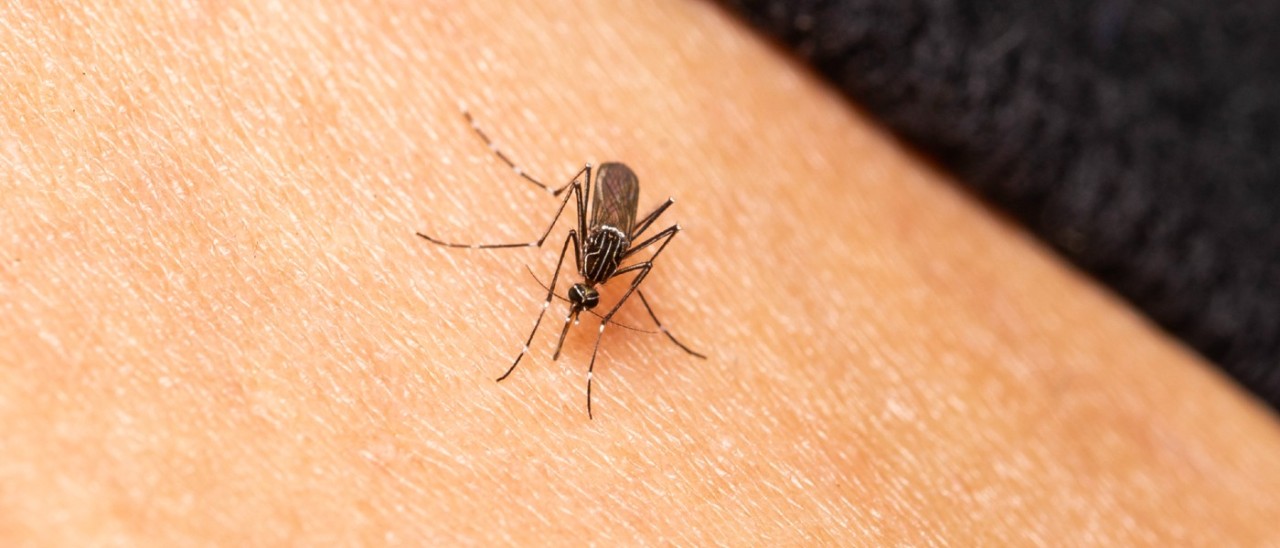
Not all mosquitoes bite: only female mosquitoes. That's because mosquitoes need protein from your blood to develop their eggs.
The mosquito will inject their saliva into the bite to keep your blood from clotting while it feeds. Your immune system considers this saliva an allergen and releases histamine, which causes the skin to swell and itch.
Why are there so many mosquitoes around my home?
Mosquitoes are drawn to stagnant water and shady, humid areas.
If your property has even small amounts of stagnant water around, you're providing mosquitoes with potential breeding habitat. Overgrown vegetation, blocked gutters and areas underneath decks or around sheds can also contribute to favourable conditions.
If you suddenly notice more mosquitoes, inspect your property for places where water has accumulated. Note that mosquito numbers also generally increase during warmer weather, particularly following rain or flooding.
More: How often should you clean gutters?
What attracts mosquitoes to people?
Mosquitoes track carbon dioxide (CO2) to locate feeding hosts. Unfortunately, humans both breathe out CO2 and exude it from our skin.
Certain physiological factors may influence how attracted mosquitoes are to you. We know that mosquitoes use heat sensors to spot warm-blooded targets. They also seem drawn to sweat and natural chemicals produced by skin bacteria.
Mosquitoes are drawn to stagnant water and carbon dioxide. Image: Getty
How to get rid of mosquitoes from your home
Get rid of standing water
One of the most effective ways to reduce mosquitoes around your home is to remove potential breeding sites.
Regularly empty water from buckets, pot plant saucers, children's toys, wheelbarrows and other containers left outside. Bird baths and pet water bowls should be emptied, cleaned and refilled regularly.
Check rainwater tanks are properly sealed and fitted with appropriate mosquito-proof screens, and keep drains clear so water can flow freely. Swimming pools and spas should also be properly maintained.
After heavy rain, walk around your property and look for anything that may be holding water – including objects you might normally overlook.
More: Plumbing and leaks home maintenance guide
Clear out your gutters
Regular gutter cleaning should be part of every homeowner's maintenance schedule. Clogged gutters can hold stagnant water and damp leaf litter, creating sheltered conditions for mosquitoes and other pests.
Consider hiring a gutter professional to clean out your gutters if you aren't comfortable working at heights.
More: How to use a ladder safely around the home to prevent falls
Keep your garden tidy
A well-maintained garden can make your property less hospitable to mosquitoes.
Mow lawns regularly and trim dense or overgrown vegetation, particularly near doors, windows and outdoor areas. Remove unnecessary garden clutter that can trap rainwater or provide sheltered resting areas.
Make sure drainage around your garden is working effectively, too. Persistent puddles or waterlogged areas may indicate a drainage problem that needs attention.
Stop mosquitoes getting inside
Physical barriers are one of the simplest ways to keep mosquitoes out of your home.
Check flyscreens on windows and doors for holes or gaps and repair or replace damaged screens. Make sure doors and windows close properly, particularly during periods of high mosquito activity.
Mosquito nets can provide additional protection where required. Fans may also help outdoors, as mosquitoes are relatively weak fliers and can find it harder to land in strong air movement.
Use mosquito repellent when outdoors
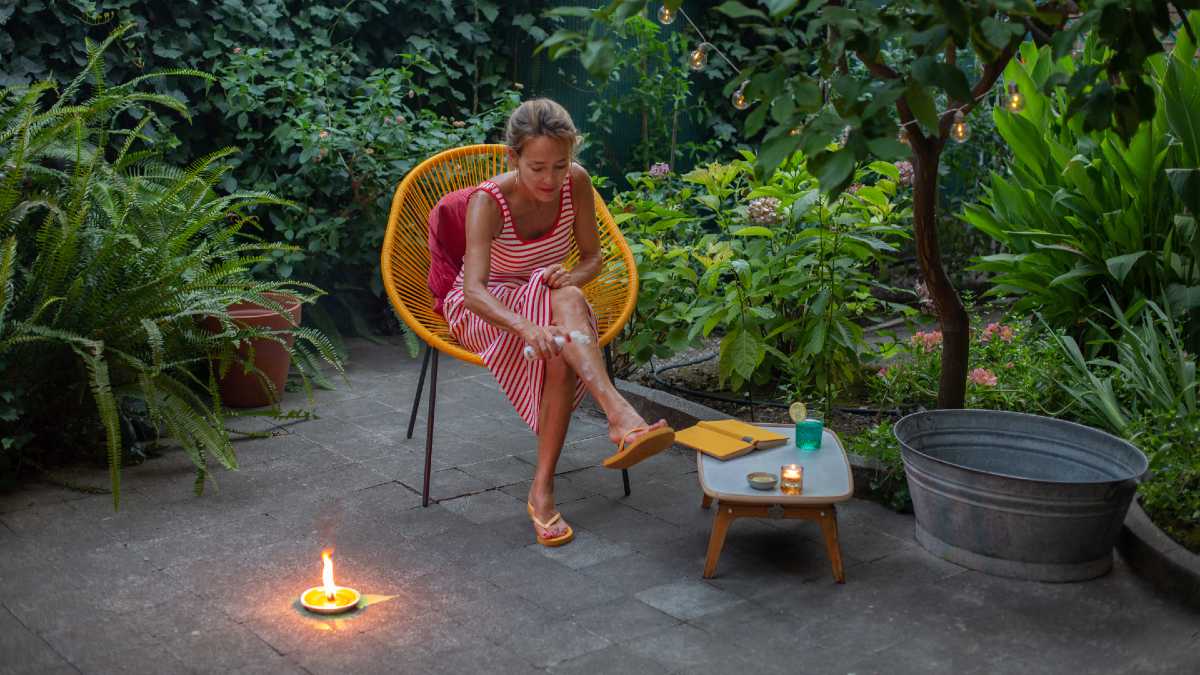
Mosquitoes are most active at dawn and dusk so, if you can't avoid being outdoors at these times, the most effective way to avoid being bitten is to use a mosquito repellent.
If you're looking for a tropical strength insect repellent, there are three key active ingredients you should be looking for on the label:
- DEET (diethyltoluamide) - the most common and popular insect repellent.
- Picaridin - found in almost as many as Deet and is just as effective, but was specifically designed to be a bit more pleasant to use.
- Oil of lemon eucalyptus (OLE) - not as widely available in Australia, but common in overseas repellents. Despite what the name might suggest, this ingredient is not the essential oil of a lemon eucalyptus plant, but a bi-product of the distillation process. It's been shown to be almost as effective as the other two.
With hundreds of mosquito-repelling products on the market, pay attention to the strength of the formulation. The stronger the repellent, the longer it lasts. If you're only going to be outside for an hour or two, you can probably choose a milder, less irritating repellent; even the lowest doses should provide a couple of hours' protection.
Wear loose, light clothing outdoors
Wearing loose-fitting, long-sleeved shirts, long pants and covered footwear can provide another physical barrier against bites. Mosquitoes are drawn to darker colours, so opt for white or other light colours.
Don't solely rely on mosquito coils or candles
Avoid relying solely on mosquito coils, candles or similar products. Their effectiveness can vary depending on the product and conditions, so they are best considered an additional measure rather than a substitute for removing breeding sites and using personal protection.
How to get rid of mosquitoes naturally
If you want to reduce your reliance on insecticides, focus first on environmental controls.
Natural mosquito control works best when it focuses on prevention: limiting breeding sites, reducing sheltered resting areas and making it harder for mosquitoes to enter the home.
Be cautious about relying on plants marketed as mosquito-repellent. While some plants contain compounds used in insect repellents, simply growing them in your garden isn't necessarily enough to provide reliable protection against bites.
Natural ingredients such as tea tree also don't last that long, so you have to reapply 'natural repellents' frequently. Some natural products are also not safe for use on young children.
Check fly screens for holes or other damage. Image: Getty
What if mosquitoes keep coming back?
A few mosquitoes are common in warmer, wetter weather, but ongoing swarms can suggest a nearby source.
Do another check around your property, and keep in mind the source may be nearby rather than in your yard, especially near wetlands or waterways. If the problem continues, contact your local council or a licensed pest control professional for advice.
Combined with personal protection, these prevention steps can make your home and garden less inviting to mosquitoes.
RACV Trades is a trading name of RACV's trade partner, Club Home Response Pty Ltd (Victorian registered domestic building practitioner number CDB-U 100178). All works are performed or arranged by Club Home Response Pty Ltd. trading as RACV Trades. See RACV Trades terms and conditions.

