
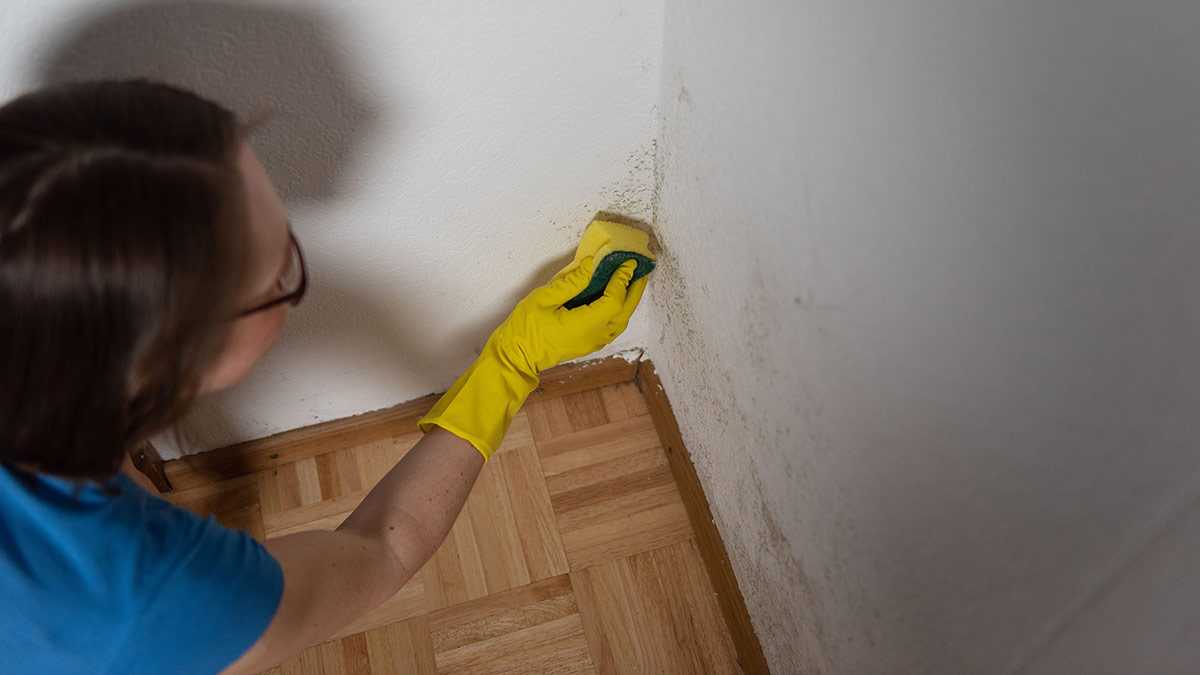
Mould can cause major damage to your home and health. Here's how to prevent mould in your home, how to remove existing mould and how to stop it from coming back.
Maintenance
How to prevent flexi hose water damage at home
Learn how to prevent flexi hose water damage, spot signs of wear or leaks, when to replace flexi hoses and what to do if a hose bursts.
Flexible water hoses are found in millions of Australian homes, connecting taps, toilets and appliances to the household water supply. They're inexpensive, convenient and usually hidden away inside cupboards or behind fixtures.
But when a flexi hose fails, the resulting water leak can cause significant damage in a surprisingly short time. A burst hose may release large amounts of water into kitchens, bathrooms and laundries, potentially damaging cabinetry, flooring, walls, furniture and electrical systems.
Knowing where flexible hoses are located, how to spot signs of deterioration and when to replace them can help reduce the risk of unexpected water damage. It’s also worth knowing when to call an emergency plumber.
What is a flexi hose?
A flexible water hose, commonly called a flexi hose or flexible connector, is a short length of rubber or plastic tubing typically covered by braided stainless steel. It connects the building's fixed plumbing to fixtures and appliances that require a water supply.
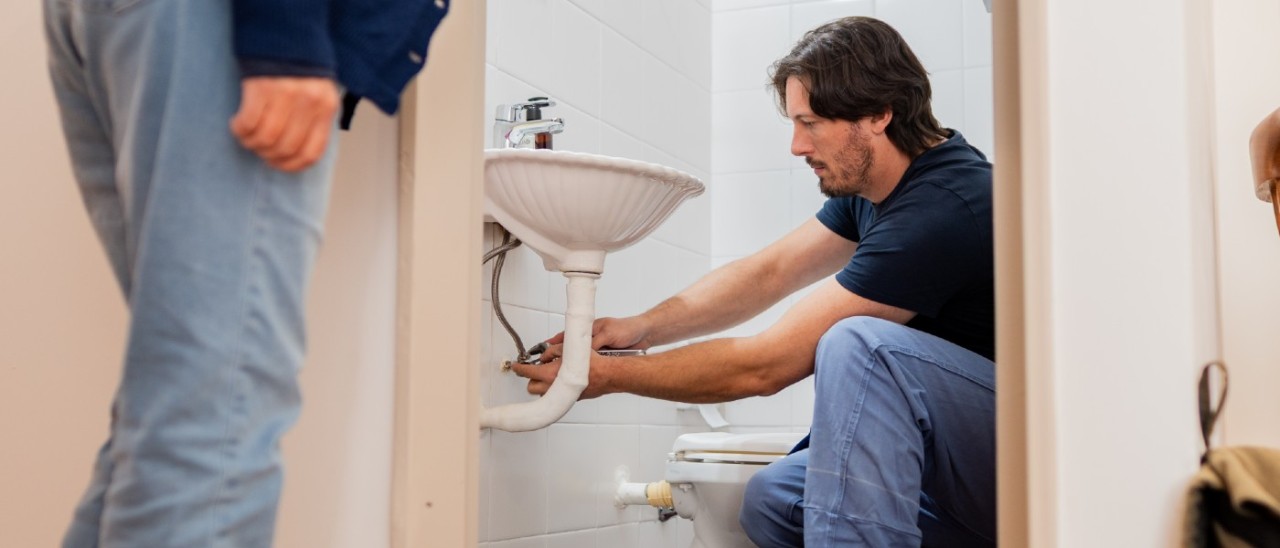
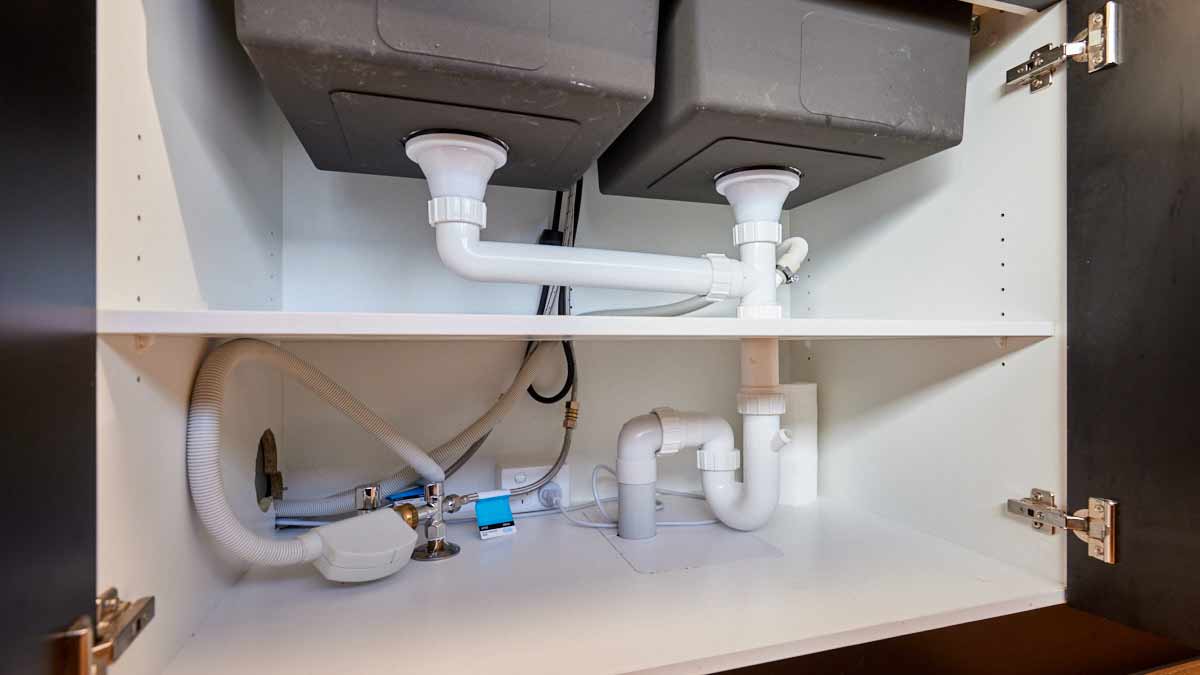
Flexi hoses are commonly found underneath kitchen, bathroom and laundry sinks, as well as behind toilets. Depending on the installation, flexible connections may also be used with washing machines, dishwashers and other water-connected appliances.
Their flexibility makes installation easier than using rigid pipework, but flexi hoses aren't designed to last indefinitely.
More: How to unclog a dishwasher
Why do flexi hoses burst or leak?
Flexi hose failures can happen for several reasons. Over time, the inner tubing and external braiding can deteriorate due to age, corrosion, wear or exposure to household chemicals.
Poor installation can also increase the risk of failure. A hose that is twisted, kinked, stretched too tightly or bent beyond its intended radius may experience additional stress. Excessive water pressure can also place strain on plumbing fixtures and connections.
Sometimes the first sign of trouble is a small leak around a fitting. In other cases, the hose or connection can fail suddenly, allowing water to escape rapidly.
More: What to do when a pipe bursts or you have a water leak
Flexi hoses are rubber or plastic tubes usually covered by braided stainless steel.
Have a licensed plumber install all flexi hoses
No matter how simple a job may seem, it’s important to always have a licensed plumber install flexi hoses and other plumbing products in the home.
Flexi hoses are a type of plumbing fitting common throughout kitchens, laundries and bathrooms. Also known as flexible braided hoses or flexible plumbing hoses, these fittings consist of a rubber tube encased in a metal mesh. This flexible construction allows the hoses to be bent and used in tight spaces, such as beneath bathroom vanities and under kitchen sinks, where they connect plumbing appliances to the water supply.
However, while good-quality, professionally-installed flexi hoses can last many years, no flexi hose is truly burst proof and will eventually begin to degrade. This can lead to leaks that, because of the 'hidden' locations that flexi hoses are commonly installed in, go undetected until significant water damage has occurred. Even a pinhole leak can be disastrous if left for a prolonged period.
A licensed plumber will follow best practice protocol and ensure that pipe and flexi hose installation is completed safely for minimal risk of leaks or bursting.
More: When to call a plumber (and why)
How to check flexi hoses for signs of damage
Regularly inspecting accessible flexi hoses is one of the simplest ways to identify potential problems before they cause serious water damage.
Look under sinks, around toilets and anywhere else flexible plumbing connections are visible. Check for rust, corrosion, fraying, bulging or discolouration on the braided exterior. Water stains, dampness, mould or swelling inside cabinetry can also indicate a slow leak.
Pay attention to the hose's position, too. A flexi hose shouldn't appear excessively stretched, twisted, crushed or sharply bent.
If a hose looks damaged or you're unsure about its condition, don't attempt to repair it yourself. A licensed plumber can assess the hose and determine whether it needs replacing.
More: Plumbing and leaks home maintenance guide for Australian homes
Don't ignore small water leaks
A dripping connection or damp patch inside a cupboard might not seem urgent, but small leaks can be an early warning of a larger plumbing problem.
Water can also travel beneath flooring, behind walls and through cabinetry, meaning the visible damage may only represent part of the problem. Persistent moisture can contribute to mould growth and deterioration of building materials.
Investigate unexplained moisture promptly and arrange professional repairs rather than waiting for the leak to become worse.
Regular home maintenance that includes a licensed plumber checking any flexi hoses for signs of water leaks and damage can be the difference between a minor and fixable problem, or major water damage to your home in the future.
More: How to fix a dripping tap for Australian homes
Consider a water leak detection device
A water leak detection device is a relatively inexpensive product that has sensors to detect leaks or abnormal water levels.
By installing a water leak detection system, you can quickly identify and address leaks, preventing extensive damage and minimising repair costs. While you should be able to have confidence in plumbing work you know has been recently completed by a qualified tradesperson, water leak detection devices can be particularly useful when moving into an older property where plumbing is more likely to be ageing or the workmanship uncertain.
A water alarm is another useful device. Water alarms are small, battery-operated devices that emit a loud sound when they detect water. These alarms are typically placed in areas prone to water leaks, such as laundry rooms. By alerting you to the presence of water, water alarms allow you to take immediate action, preventing further damage and potential mould growth.
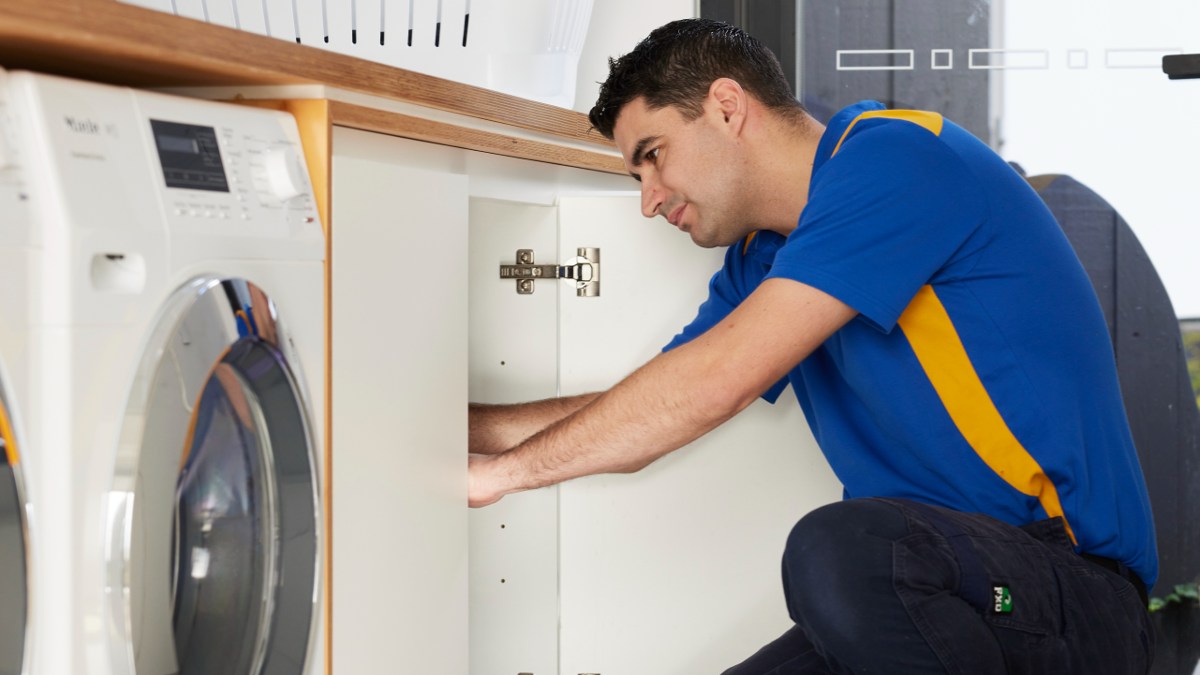
Don't forget to check under cupboards and behind appliances if you suspect a water leak.
What to do if a flexi hose bursts
If a flexi hose bursts, turn off the main water supply as soon as it is safe to do so. If water is near electrical appliances, power points or wiring, avoid entering the affected area or touching electrical equipment and seek professional assistance.
Contact a licensed plumber to repair the failed connection. Once the immediate problem is under control, remove standing water and begin drying affected areas as soon as practical to help minimise further damage.
Taking a few minutes to inspect the small hoses hidden around your home could help prevent a much bigger problem. Regular checks, prompt replacement of deteriorated hoses and knowing how to turn off your water supply are simple steps that can reduce the risk of flexi hose water damage.
More: Emergency Home Assist - how it works and what's covered
How often should flexi hoses be replaced?
There isn't one replacement interval that applies to every flexi hose. Its lifespan can depend on the product, installation, environmental conditions and manufacturer recommendations.
Rather than waiting for a hose to fail, check your flexi hoses regularly and consider having older or questionable connections assessed by a licensed plumber. If you've recently moved into an older property and don't know when its flexi hoses were installed, including them in a plumbing inspection may be worthwhile.
When replacing hoses, a licensed plumber can ensure suitable products are used and installed correctly.
Unchecked water damage can lead to structural problems as well as mould. Image: Getty
Flexi hose water damage in rental properties
If you're renting and notice a leaking or burst flexi hose, act quickly to help limit water damage. Turn off the water supply if you can safely access the property's main water shut-off valve. Move belongings away from the affected area where safe to do so. Most importantly, avoid electrical appliances, power points or wiring that have come into contact with water.
Notify your rental provider or property manager in writing as soon as possible and explain what has happened. Renters should follow the appropriate urgent repairs process rather than attempting plumbing repairs themselves. In Victoria, the following plumbing issues are considered urgent repairs:
- burst water service
- blocked or broken toilet system
- serious roof leaks
- flooding or serious flood damage
- non-working essential service or appliance for laundry, hot water or water
- appliance, fitting or fixture that is not working and which causes a lot of water to be wasted
- any fault or damage to the property that makes it unsafe or insecure, including mould or damp
- any issue that causes the property to not meet the Victorian minimum rental standards.
It can also be useful to take photos or videos of the leak and any resulting damage and keep records of communications with the rental provider or property manager.
If your personal belongings have been damaged, check whether your renters insurance may provide cover, subject to your policy's terms, conditions and exclusions.
RACV Trades is a trading name of RACV's trade partner, Club Home Response Pty Ltd (Victorian registered domestic building practitioner number CDB-U 100178). All works are performed or arranged by Club Home Response Pty Ltd. trading as RACV Trades. See RACV Trades terms and conditions

