
Learn how to choose a video doorbell, including AI detection features, wired vs wireless options, and front door vs whole house security systems.
Security
Home security for older Australians: safety tips
Learn how older Australians can improve home security with easy-to-use alarms, lighting, personal alarms, trusted contacts and accessible safety tips.
Feeling safe and comfortable at home is important as you get older, especially if you live alone or spend more time at home.
The good news is that improving home security doesn't necessarily mean installing complicated smart-home technology. Simple measures such as good lighting, secure doors and windows, an easy-to-operate alarm and a network of trusted contacts can all help make a home safer.
Neighbourhood Watch CEO Bambi Gordon says older Australians can also benefit from combining practical home security measures with strong local connections.
“For older Australians, good neighbours can be one of the most practical layers of home security,” Gordon says. “Simple things like bringing in bins, collecting mail, keeping an eye on unfamiliar activity and sharing concerns early can all help improve safety.”
When choosing home security technology, it can help to focus on options that are simple, accessible and suited to the person using them. That means considering mobility, vision, hearing and confidence with technology, as well as the physical security of the property.
More: Burglary, car theft and retail crime rises across Victoria
Choose an easy-to-use home security system
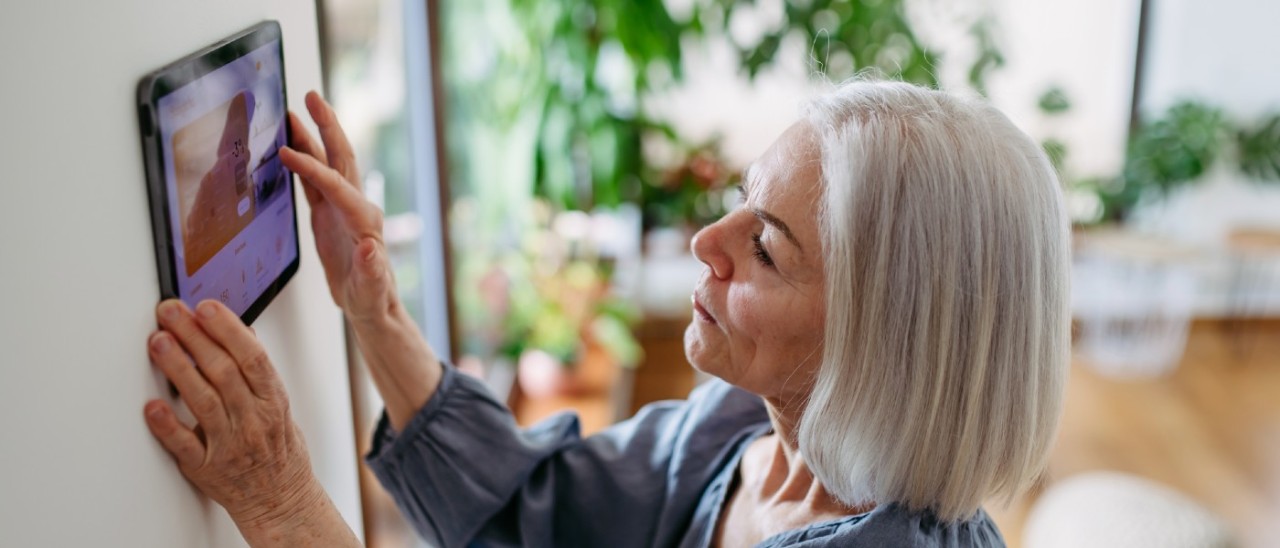
A sophisticated security system isn't necessarily better if it's difficult to operate. Look for a home alarm system that can be armed and disarmed easily, with controls that are clearly labelled and positioned somewhere accessible.
Depending on your needs, useful home security features may include door and window sensors, motion detectors, security cameras and video doorbells. A video doorbell can be particularly useful because it may allow you to see and speak to visitors without opening the front door.
For people who aren't comfortable using smartphone apps, consider whether a system can also be controlled using a simple keypad, remote control or physical button. If you're having a system installed, ask the installer to demonstrate every function and leave clear instructions somewhere easy to find.
More: Choosing the best home security system - CCTV, alarm systems and monitoring
Feeling safe and comfortable at home is particularly important as you get older. Image: Getty
Make doors and windows easier to secure
Good locks remain one of the foundations of home security. Make it a habit to lock accessible doors and windows, including when you're at home or spending time in the backyard.
A security screen door can provide an additional barrier between you and an unexpected visitor. A door viewer or peephole can also help you identify someone before opening the door.
Accessibility matters, too. Locks shouldn't be so stiff, small or awkward that they become difficult to operate. Consider whether handles, locks and alarm controls are comfortable to reach and use, particularly if you have reduced hand strength or mobility.
More: Safest places to keep your keys
Use outdoor lighting to improve security and accessibility
Good lighting can improve security while also making it easier to move safely around your property after dark.
Consider motion-activated lights around entry points, pathways, garages and side access areas. These can illuminate someone approaching the property while making steps, uneven surfaces and obstacles easier to see.
Indoor lights can also be placed on timers or automated so the home doesn't appear unoccupied when you're away. Make sure switches are easy to reach and that commonly used routes through the home, such as between the bedroom and bathroom, are adequately lit.
Home security shouldn't make your home harder to live in.
Consider a personal alarm for emergencies
Personal alarms are designed to provide a quick way of requesting assistance. Depending on the system, an SOS button worn as a pendant or wristband may contact nominated family members, friends or a monitoring service.
Ease of operation should be a priority. Before choosing an alarm, consider how comfortable the button is to press, whether it works throughout the home and garden, how it is charged, who receives an alert and whether ongoing subscription or monitoring fees apply.
It's also important not to assume every personal alarm performs reliably simply because it's marketed as a safety device. Check how the system works, what network it relies on and what happens when an alert is triggered.
Eligible Victorians may also be able to access Personal Alert Victoria, a 24-hour personal monitoring and emergency response service designed to help eligible older people and people with disabilities live independently.
More: What to do after a burglary
Create a network of trusted contacts
Technology works best when it fits into a wider support network. For older Australians, that may include nominating a family member, friend, neighbour or carer as a trusted contact who can respond if something seems wrong.
Give trusted contacts the information they genuinely need, such as how to contact you, how your alarm works and who else to call in an emergency. You might also arrange regular check-ins, particularly when spending extended periods alone.
Gordon says many older people want to remain independent in their own homes for as long as possible, and supportive neighbours can help make that possible.
“A connected neighbourhood can give older people an added sense of reassurance at home,” Gordon says. “When neighbours know each other, they are often better placed to notice changes and offer practical support when it is needed.”
Avoid leaving spare keys in obvious locations outside. If someone needs emergency access, consider giving a spare key directly to a trusted person instead.
Avoid home security and installer scams
Be cautious if someone unexpectedly contacts you or arrives at your door claiming that your security system needs urgent repairs, replacement or upgrading.
Don't feel pressured into making an immediate decision. Ask for identification and company details and independently verify who you're dealing with before allowing someone into your home. Australian crime-prevention guidance recommends checking the credentials of service and repair workers before giving them access.
Similarly, never give an unexpected caller remote access to your computer or phone because they claim they need to fix a security problem. The Australian Government’s independent online safety regulator, eSafety, advises hanging up and contacting the organisation yourself using contact details you know are genuine if you're unsure about an unsolicited call.
More: How to improve your home safety and security on a budget
Make home security accessible for everyday life
Home security shouldn't make your home harder to live in. When choosing locks, alarms, cameras and other security measures, consider accessibility alongside security.
Large buttons, clear displays, audible alerts, simple controls and devices that don't require complicated apps can make security easier to manage. Controls should also be positioned where they can be reached comfortably.
Most importantly, choose security measures you can confidently use every day. A combination of secure doors and windows, effective lighting, simple technology and trusted people can provide practical protection without turning your home into a fortress.
RACV Security Pty Ltd ABN 49 079 148 342 trading as RACV Home Security. Security Licence (Vic.) 733-411-10S and Security Registration (Vic.) 733-411-31S.

