
For fuel-efficient and affordable motoring, a quality used hybrid or plug-in hybrid electric vehicle is the answer for many Australian car buyers. Here’s a selection of the best, all below $40,000.
Motoring

How to buy a car at auction: what you need to know
Buying a car at auction can be much cheaper than buying privately or through a dealer, but there are risks involved and key issues to consider. This guide will help you through the process.
Everyone loves a bargain. Nobody wants to pay more for their next car when they can get it for less, and one of the best places to find a bargain is at an auction.
Car auctions can potentially save you huge money compared to buying from a dealer or privately, which is why they are so popular. However, there are important tips and techniques to know before you buy at an auction, because for every bargain there is also the chance you could buy a lemon – or end up paying well over the market value.
“There are definitely great deals to be had at auctions, but it will pay to do your research,” says RACV Motoring Editor Terry Martin. “It’s important to know what you’re bidding on – and to have a good handle on what’s involved in the auction process.”
Since the COVID-19 pandemic, many of Australia’s vehicle auction houses – Manheim, Pickles and Grays, for example – have moved to predominantly online auctions. This can have its pros and cons, explains Christophe Boribon, automotive specialist with over 25 years of experience in the auction business.
“As someone who’s worked in the business, but who has also put cars at auction and bought at auction, I’ve seen the online platforms come into their own,” says Boribon. “Where they’ve been successful is where they offer no upfront fees for the seller and only a commission if the vehicle sells. However, you can’t always view the vehicle that you are purchasing.”
With that in mind, here are some key steps to take to help you find a great deal at auction – whether buying in-person or online.
Quick checklist – Buying a car at auction
- Research and compare vehicles to find your preferred car
- Have a good idea of the car’s market value
- Understand the auction process, including the risks and costs involved
- Always aim to inspect the car before bidding and get a condition report
- Consider the relative merits of where the car has come from
- Set a firm budget for the car that factors in post-purchase expenses
More: Research and compare new and used cars, SUVs, utes and vans on sale today in Australia
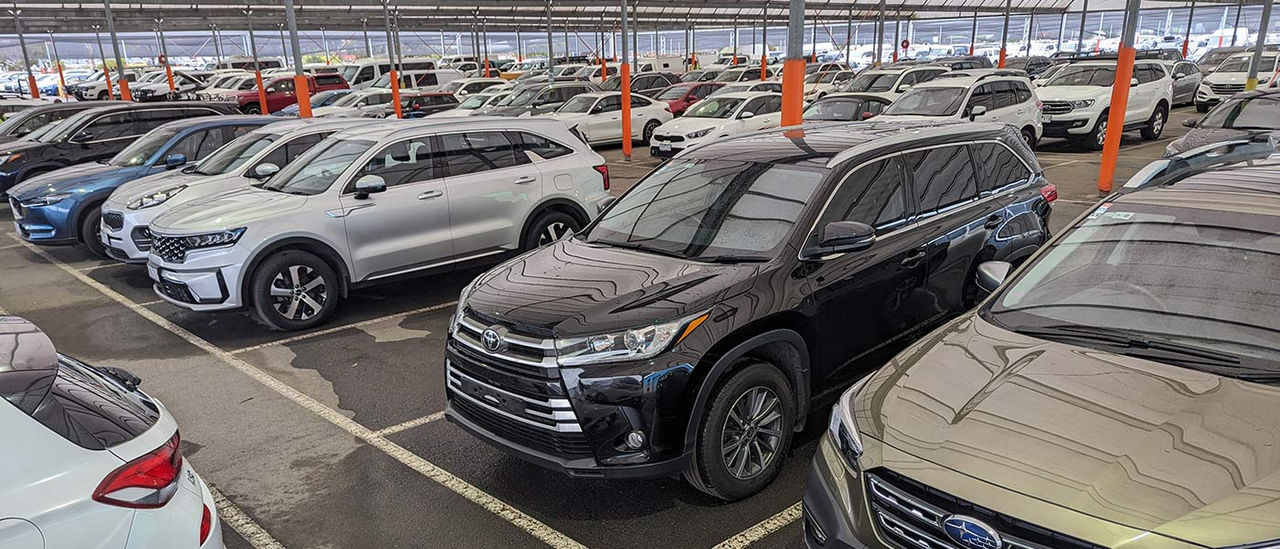
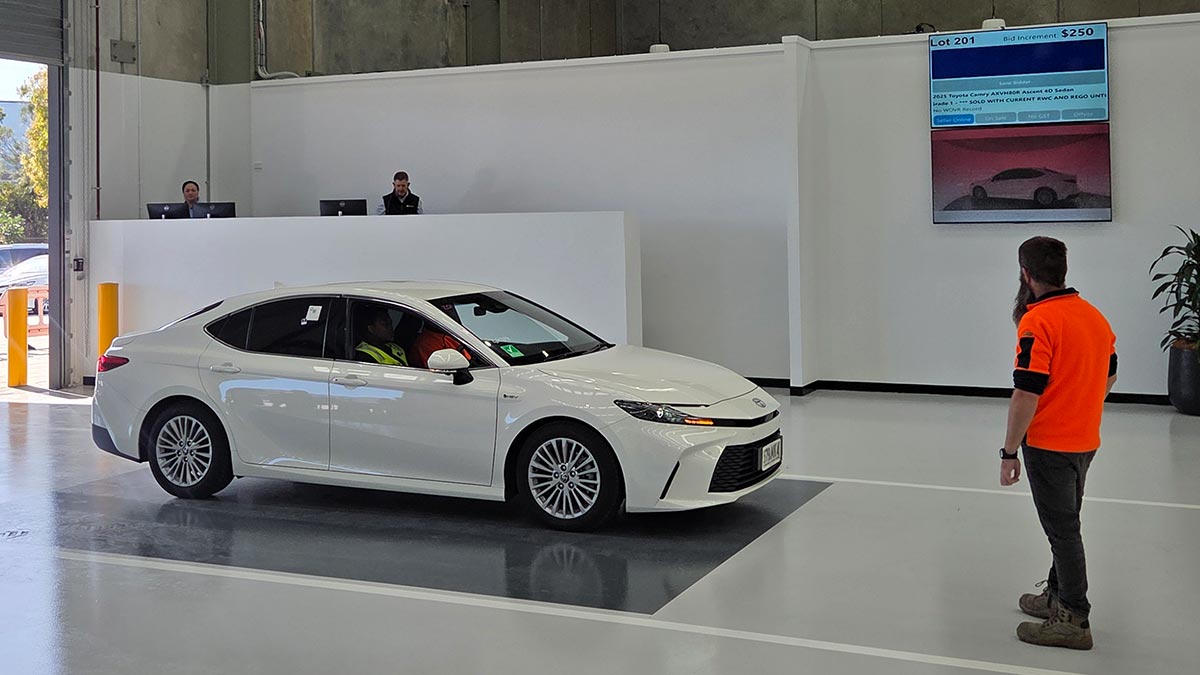
It helps to understand how a car auction works before diving in as an active bidder. Pic: Manheim
Who should buy a car at auction?
Buying a car at auction won’t be for everyone because it typically carries more risk and has fewer consumer protections than when purchasing privately or through a licenced dealer. It’s generally best suited to people who have a good understanding of cars, or who can get help from someone who’s experienced in this area.
But if you do your homework, understand the risks, inspect the vehicle and set a budget based on all the different costs involved – including auction fees and likely post-purchase expenses – the reward for effort could be great, landing you a car that’s much cheaper than one purchased elsewhere.
Research and inspect the car you’re keen to buy
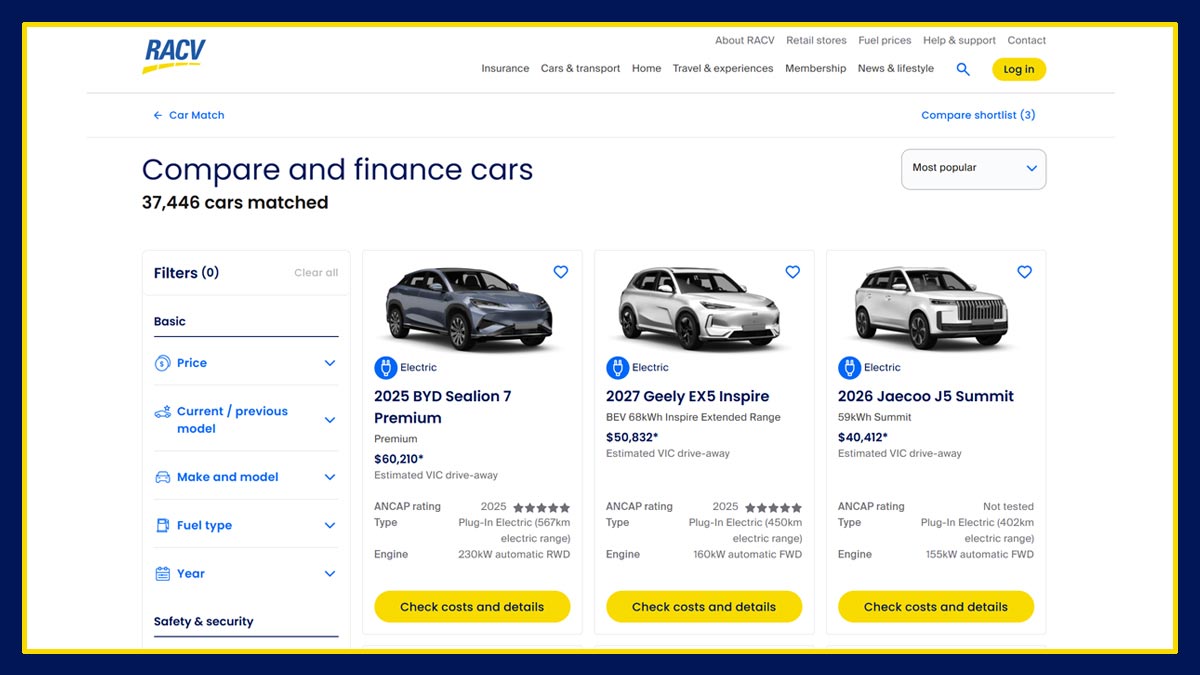
As with any car buying journey, the first step is to work out what sort of car you want to purchase, keeping in mind how much you can afford to spend. Research tools like RACV Car Match can help you compare used car running costs, features and specs, as well as estimated prices when sold privately or through a dealer.
Armed with that information, and having settled on a car you’re keen to pursue, you can start to look around the various auction sites and see what inventory they have available.
And just like we’d recommend with any vehicle purchase, it’s important to inspect the car beforehand.
More: Dealer vs private sale: which car buying option is best?
The RACV Car Match website can help you narrow the field before hitting the auction listings.
Where has the car come from? What condition is it in?
Cars sold at auction can come from a wide variety of sources: they can be ex-fleet cars, ex-rental vehicles, some may come from dealers looking to get rid of excess trade-ins and some come from insurers.
The condition the car’s in can vary according to where it has come from. For example, an ex-fleet car may have been used by a salesperson who drove it carefully and had it serviced to the manufacturer’s schedule, whereas an insurer might be looking to sell a damaged vehicle as a repairable write-off – that is, a car that’s deemed able to be repaired but for a cost too high for the insurance company to justify.
This is why Boribon stresses that personally inspecting the car should be a priority. While the auction may be run online and offer photos and other details, most auction houses have inspection times, which will allow you to sight the car yourself.
“I believe an inspection is important because I don’t think the photos tell you the whole story sometimes,” Boribon says. “If you have an opportunity, absolutely one of the main things I would do is inspect the car. I would also have a look and see if there’s a condition report that’s been done on the vehicle.”
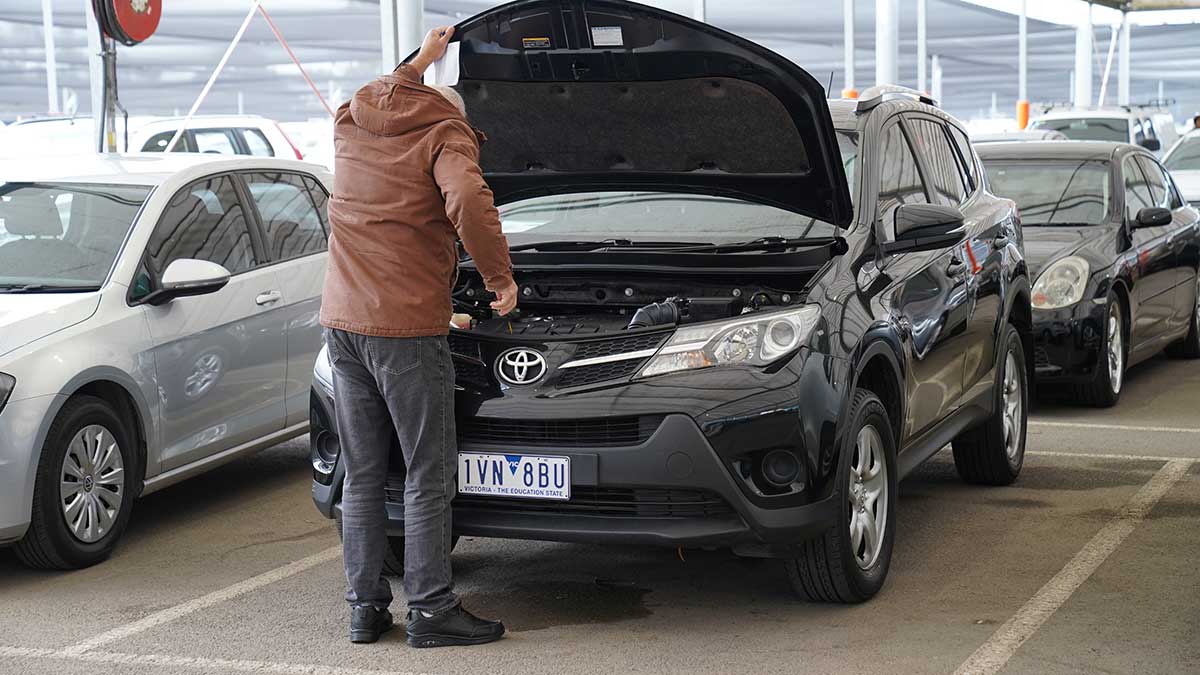
While it would help if you have some mechanical knowledge, a visual inspection externally, inside the cabin and under the bonnet can tell you a lot about the car and whether it’s a potential bargain.
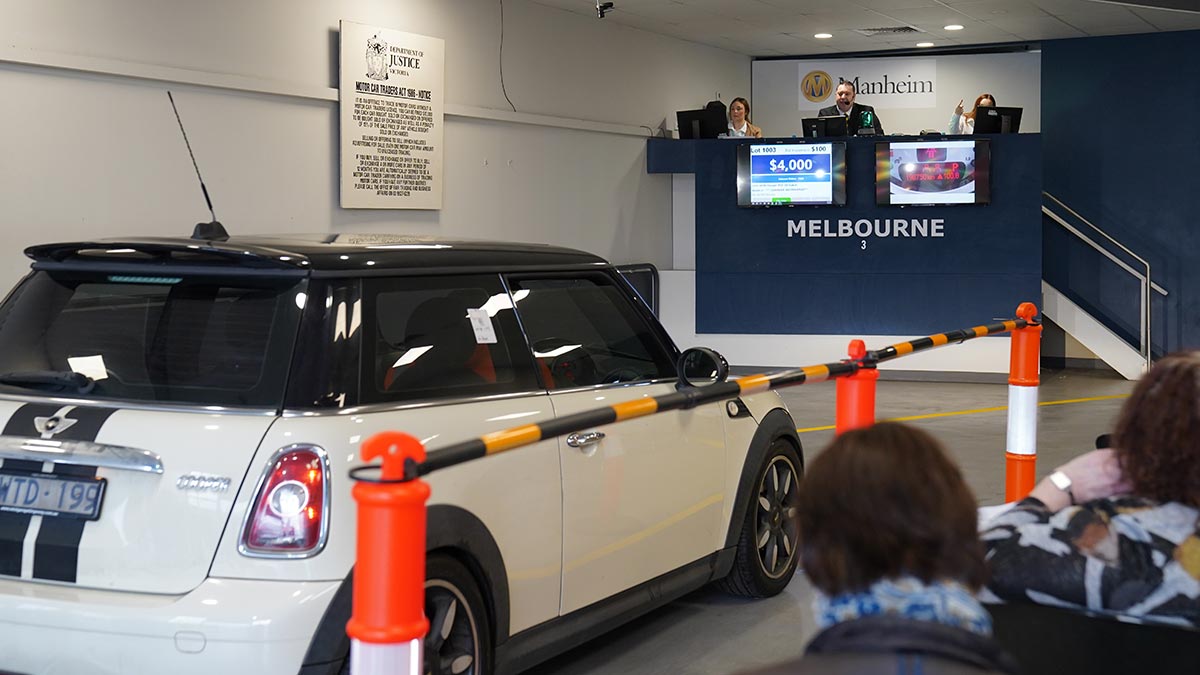
Inspecting the car before bidding on it could help avoid extra costs down the track. Pic: Manheim
Are ex-fleet or leased cars the best to buy at auction?
According to Boribon, just knowing where the car has come from can be a huge insight into its quality and potential.
“Sometimes, auction houses are doing ex-rental cars, government cars, company cars, leased cars – and they can offer some good buys,” he says. “A large number of leased-type cars should have been serviced correctly by the dealerships over that period of ownership.”
Ex-rental cars require extra caution
At the same time, Boribon says ex-rental cars should be treated with caution, as they can often have endured a harder life, given they inevitably end up in the hands of many different drivers.
Cars at auction are sold ‘as is’, so it’s a case of buyer beware. If you don’t do your research, you may not know what you’re getting yourself into.
Consumer guarantees generally do not apply to used cars bought at auction. The auction house is responsible for ensuring that no money is owing on the car, but you will not get the same statutory warranty or cooling-off period that comes with buying a car from a licenced dealer.
That’s why doing a lot of due diligence before bidding at auction is highly recommended.
Transport Victoria has a repairable write-off register, so you can go online to check if a car is listed. Other online tools are available for checking whether a vehicle is listed as stolen, for example.
More: Are there lemon laws for new and used cars in Australia?
Cars that have been leased and well maintained can offer excellent value at auction. Pic: Manheim
How much does it cost to buy a car at auction?
Auctions can be an emotionally charged event and force you to react quickly. So, to avoid over-spending make sure you set your budget beforehand.
Again, this is where the research will help, as it will allow you to have a clearer picture of what cars are worth, not simply what you can afford. For example, just because you have a $10,000 budget doesn’t mean you need to spend that much if the make and model of car you’re targeting is typically selling for $8000 or less.
There are also some unique auction costs to be aware of, so you have a clear understanding of what you’re liable for. Auction houses charge a fee, typically known as the ‘buyer’s premium’, which needs to be added to the cost of the car.
Then there’s potential storage and transport costs, plus expenses required to get the car on the road, such as registration (if the car is sold unregistered), roadworthy certificate, transfer fees, stamp duty and insurance.
If you’re the successful bidder, you can expect to make a downpayment at the end of the auction, usually about 10 per cent of the final price, so be prepared for this, too.
“Make sure you realise that the hammer price may not be the final price,” Boribon says. “You may have your buyer’s premium, you may have any other associated costs involved. So be clear on what the costs are, as it can be different between auction houses.”
You should also factor in the need for some repairs, even if the car looks clean when you inspect it. Budgeting for some additional cost and not spending it is a better alternative than not doing so and getting a nasty surprise later.
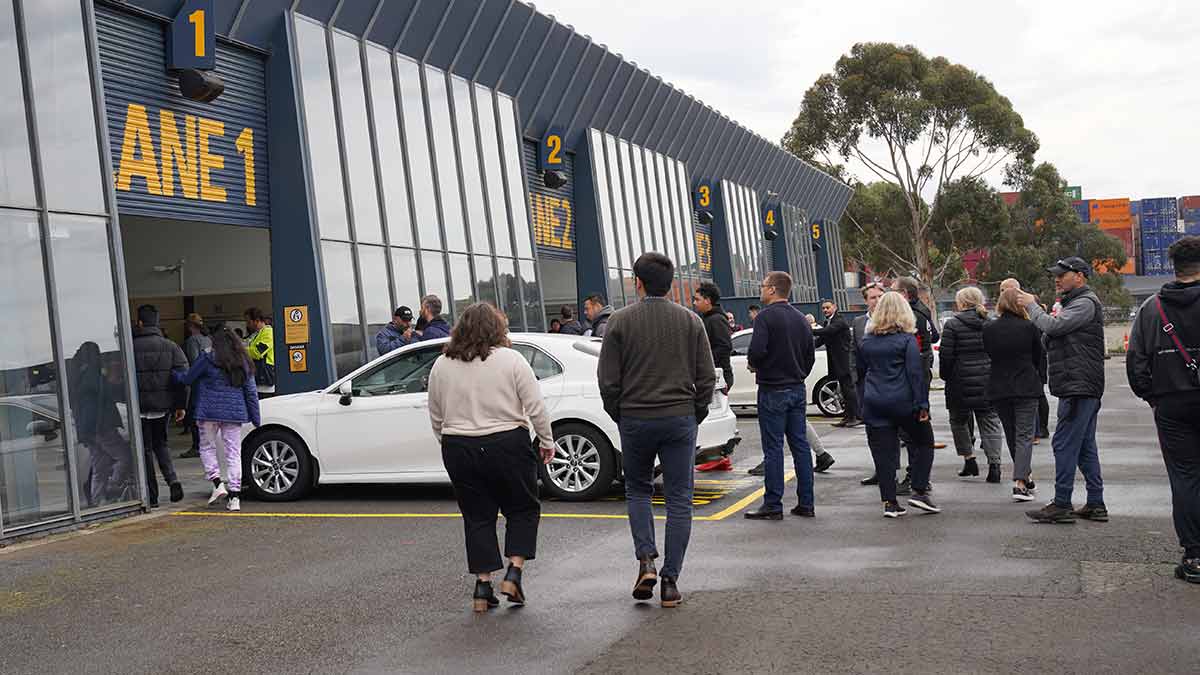
It will pay to have a clear understanding of all the costs involved with buying a car at auction. Pic: Manheim
Understanding how car auctions work in Australia
In life, you don’t typically get things perfect the first time. So if you’ve never attended an auction before it could be well worth making a visit before you plan on buying – whether that be in-person or online.
“Most auction houses you can attend,” says Boribon. “You’ve got to register when you walk in as a potential bidder, but that doesn’t mean you have to bid. Some will allow you to walk in without registering, and some are closed off to the public and only open to industry people.”
While attending an auction (or two) will give you a clearer idea of what to expect, given the nature of auctions always offering something different, expecting the unexpected is the best way to approach it.
“The experience that you might get going there once may not be the same experience you get going there the second time,” says Boribon. “Some of them only run online these days, while other incorporate both a ‘live’ and online auction component.”
How do online auctions work?
Online auction platforms are highly convenient, allowing prospective buyers to browse vehicle listings, view photos and condition reports (where provided), and register to bid through the auction house’s website. You can often set up an alert for when your preferred vehicle becomes listed.
The registration process will typically require you to provide personal information, including proof of ID, as well as credit card details. The latter should only be used by the auction house for taking a deposit if you’re the successful bidder.
Once registered, the auction house should allow you to inspect the car in person; if not, we’d warn against taking this route given the risks involved.
Public online auctions can be ‘live’ (simulcast in real time) or ‘timed’ (run over a defined period). In some cases, you can set a maximum bid during the auction which automatically increases on your behalf (up to that ceiling). Many cars also carry a reserve price, so the seller isn’t obliged to accept the highest bid if it’s below that mark.
More: How to buy a car from a dealer: tips, questions and red flags
Auction cars are not usually available to test drive, so do as much homework as possible before bidding. Pic: Manheim
Buying a car at auction – key takeaways
Key points to remember when buying a car at auction are as follows:
- Know what sort of car you want to buy
- Get a very good idea of what condition it’s in
- Know how much the car is worth and what you should pay for it
- Factor in all the costs involved with the sale at auction
- Set your budget with all these costs included – and stick to that budget
Whether the vehicle auction is online or in-person, if you follow these principles and prepare yourself properly ahead of time, you’ll be in the best position to bag a bargain.
Buying a car at auction – FAQs
Usually not. Most auction houses only allow visual inspections, and test drives are rarely offered. This makes it even more important to inspect the vehicle carefully and review any available condition reports before bidding.
Not necessarily. Popular vehicles can attract strong bidding, so it’s important to research market values and set a firm spending limit before the auction starts.
Most auction vehicles are sold without a warranty and are purchased “as is”. However, newer vehicles may still be covered by the balance of the manufacturer’s new car warranty.
Collection timeframes vary between auction houses, but buyers generally need to pay for and collect the vehicle within a few days. Additional storage fees may apply if you miss the collection deadline.
Yes. The key is to research the vehicle, understand all costs involved and observe a few auctions beforehand so you’re familiar with the bidding process and auction rules.
Quick links
- Compare new and used cars, SUVs, utes and vans (RACV Car Match)
- What to know about buying a used electric car
- The best affordable used EVs in Australia
- Pros and cons of buying a used hybrid car or PHEV
- The best used hybrid cars and SUVs under $40,000
- Best used cars, SUVs and utes under $10,000
- Best used cars, SUVs and utes under $20,000
- Best used cars, SUVs and utes under $30,000
- The best underrated and affordable used cars, SUVs and utes
- How to buy a used car with confidence using our checklist
The information provided is general advice only. Before making any decisions please consider your own circumstances and the Product Disclosure Statement and Target Market Determinations. For copies, visit racv.com.au. As distributor, RACV Insurance Services Pty Ltd AFS Licence No. 230039 receives commission for each policy sold or renewed. Product(s) issued by Insurance Manufacturers of Australia Pty Ltd ABN 93 004 208 084 AFS Licence No. 227678.

