
The popularity of hybrid cars makes them an obvious choice for buying used, but have you considered the pros and cons of both regular hybrids and plug-in hybrid electric vehicles (PHEVs)?
Motoring
How much is my car worth? What to know about used car values
The question ‘How much is my car worth?’ is a common one, so let’s help you answer it – starting with market value and what factors impact the selling price.
Many people in Australia are often asking, “How much is my car worth?”, so now’s the time to answer the question.
Whether you’re actively planning to trade in your car, sell it privately or simply want to know what it’s worth as you consider whether to move into a new set of wheels, understanding the market value for your vehicle make and model is the best place to start.
From service history and vehicle condition to buyer trends and market demand, here’s what influences a used car’s value in Australia – and how you can help position your vehicle for best advantage.
More: Research and compare new and used cars, SUVs, utes and vans on sale today in Australia
In this article
- What is my car’s market value?
- How much is my car worth as a trade-in?
- Does service history affect car value?
- Should I repair my car before selling it?
- Do kilometres affect car value?
- What vehicle features attract buyers?
- Does brand reputation affect resale value?
- Do ownership and running costs impact resale value?
- Key things to remember before selling your car
- Understanding a car’s market value – FAQs
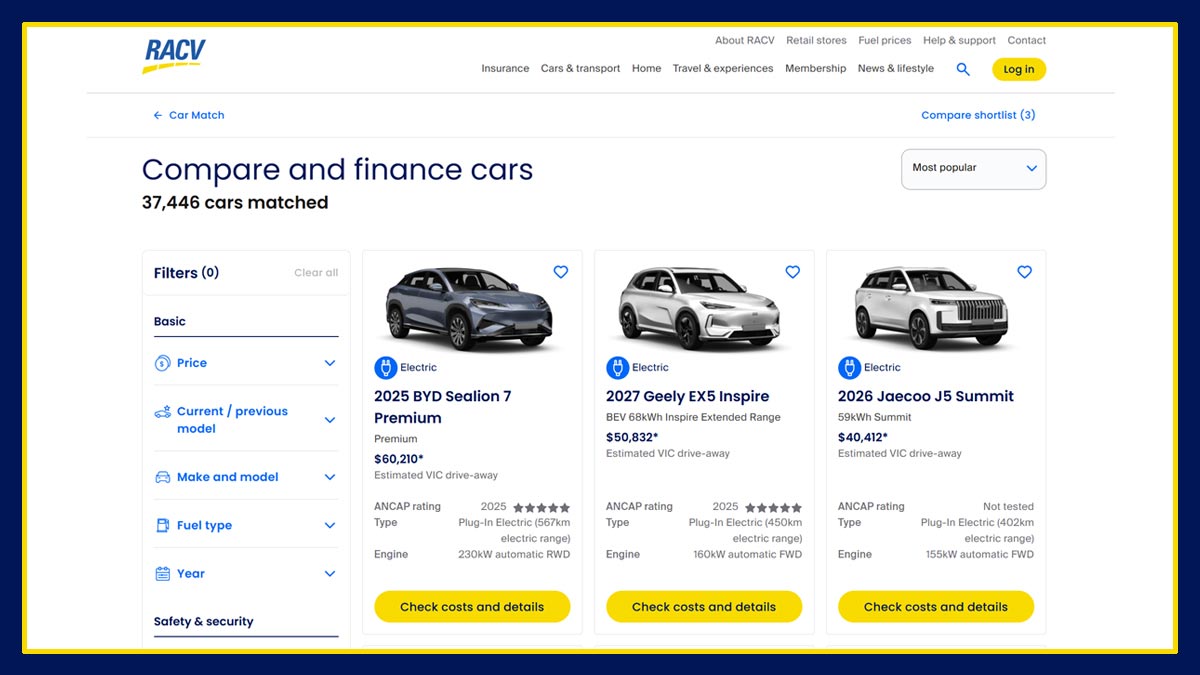
The RACV Car Match website can help you better understand how much your car may be worth.
What is my car’s market value?
A car’s market value is the amount it can reasonably be expected to sell for in the current market. It is influenced by factors such as age, kilometres travelled, condition and buyer demand.
So, what’s reasonable? RACV Motoring Editor Terry Martin says the first place to start when looking at what price your vehicle might fetch is to compare it with other cars of the same make and model currently in the market.
“There are many factors that might make a vehicle more or less attractive to a buyer, but ultimately a car – like anything else – is really only worth what someone else is prepared to pay for it,” he says.
“Setting a realistic price is the way to go – and working that out doesn’t have to be a difficult process. Doing a bit of legwork online through independent sites like RACV Car Match can soon turn up a figure that you can then work with.”
Market value isn’t fixed. The price of the same vehicle can vary depending on where it’s being sold, how many similar vehicles are available, and what buyers are looking for at the time.
RACV Car Match uses a combination of dealer retail, dealer trade-in and private vehicle sale transaction data in Australia to give you the used car market value range for over 30,000 different vehicles.
More: Dealer vs private sale: Which car buying option is best?
How much is my car worth as a trade-in?
The price you can expect to get for a car can vary depending on where, and by what means, it is sold.
A dealer typically offers a lower price with a trade-in because they’ll need to prepare, market and resell the vehicle while making a profit.
Selling privately can often achieve a higher price because there’s no dealer margin involved. However, it requires more effort from you, including advertising, holding inspections and negotiating with potential buyers.
That comes with its own costs, such as preparing the car for sale and listing the car on a paid online sales website, as well as the time you need to allocate in doing all this and meeting with prospective buyers. Once the sale is made, there’s also the need to work out payment options and handle paperwork, such as the transfer of registration.
It may be the case that trading in your vehicle is the more cost-effective and stress-free option once all these requirements are factored in.
More: How to get the best sale price for your car
Does service history affect car value?
In most cases, yes. A complete service history can increase buyer confidence and may help you achieve a stronger sale price, although individual buyers will place different levels of importance on servicing records.
A complete service history is one of the strongest indicators that a vehicle has been properly maintained, particularly if conducted by a properly qualified mechanic.
So, a stamped logbook, registration details, warranty paperwork, dealership or independent repairer servicing records and documented maintenance receipts will be an asset to show any interested buyer – and missing service records might make buyers cautious.
Even if the service history is not perfect – missing a service during COVID lockdowns, for example – a potential buyer should appreciate the transparency more than any choice that might make it seem like you are trying to avoid full disclosure.
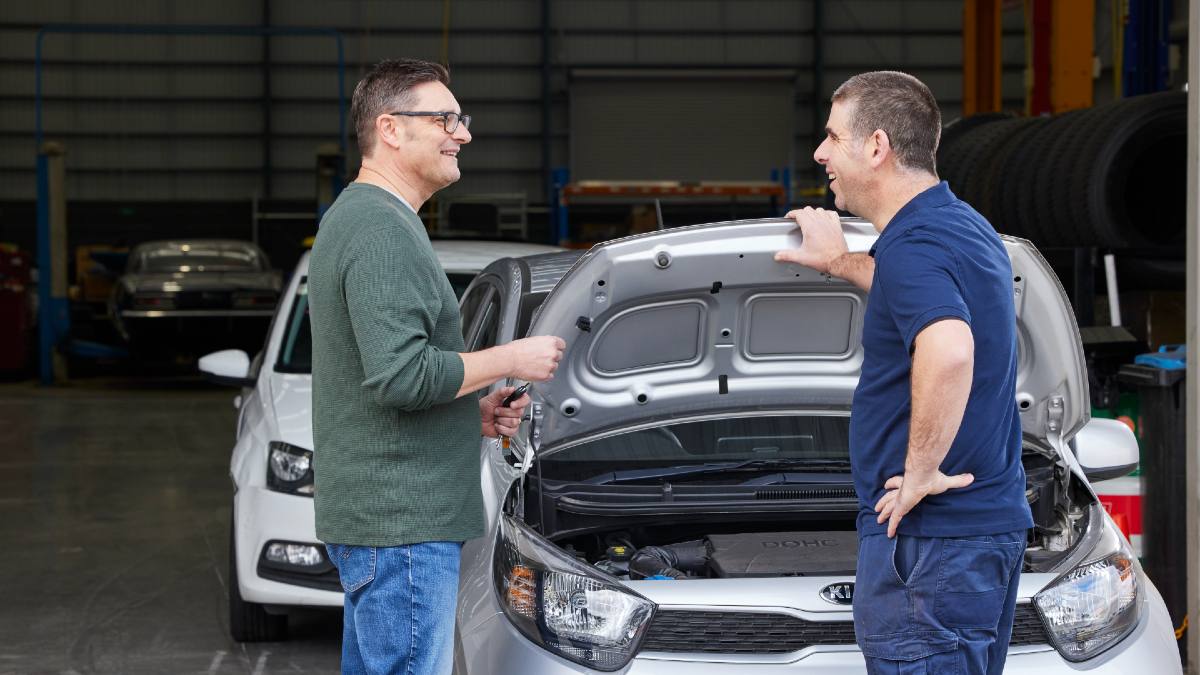
A qualified mechanic can help you get your car ready for sale and advise on what should be done to help improve its market value.
Should I repair my car before selling it?
Preserving your vehicle will help preserve its resale value. Buyers will be looking for signs of minor damage – looking at headlights, wheels and the condition of the paint – which means doing whatever is possible to prevent the car from sun and rust damage, scratches and dents and any stone chips.
Some of these things might be difficult to attend to if you’re ready to sell today. And some might not be worth addressing at all. It will be up to you to make the decision, knowing that leaving them might impact the car’s resale value.
There are some easy wins to be made. Thoroughly cleaning the car inside and out, replacing worn floor mats, removing any swirl marks on the exterior paint, fixing up damaged window tinting and replacing any blown globes will help add extra appeal for the buyer.
It will also pay to remove any personal items from the vehicle that might create a negative impression – bumper stickers, visible air fresheners, keepsakes on the dashboard, and so on.
Having an idea of the likely ceiling of your car’s asking price – something you can find on RACV Car Match – will help you decide how much you should spend on preparing the car for sale.
More: How to repair and remove scratches from your car's paintwork
Do kilometres affect car value?
Yes – but that doesn’t mean a relatively high odometer reading makes the car less desirable.
The average registered passenger vehicle in Australia travels about 11,000km per year, according to ABS statistics, which is a handy benchmark to use when setting a value to your car. Those cars that spend most of their time in the city will naturally have fewer kilometres on the clock.
It’s only natural that used car buyers will favour a lower-than-average odometer reading. We’d suggest that anything between 50,000km and 120,000km should be attractive to would-be owners while considering this against the car’s age and how much wear and tear it’s gone through.
Having said that, knowing where the car has mainly been driven can make a big difference on the car’s desirability and market value. Fifty thousand kilometres of driving on country roads impacts a car differently than 50,000km of stop-and-start driving in the city.
More: New vs used car: what you need to know before buying
What vehicle features attract buyers?
Modern safety features such as automatic collision notification (and eCall), autonomous emergency braking, blind-spot monitoring, adaptive cruise control and rearview cameras can improve a vehicle’s appeal.
Used car buyers will also be drawn to vehicles that have any remaining coverage of the new vehicle warranty, which should transfer to subsequent owners.
Mainstream buyers often prefer vehicles that closely match factory specifications, so aftermarket modifications might turn some people away. We’re talking here about performance enhancements and other specialised mods rather than common dealer-fit options such as roof racks and towing equipment – which are often seen as strong selling points.
In the same way, white, silver, grey and black vehicles generally appeal to the widest audience and may be easier to resell than more unconventional colours- but we wouldn’t advocate a full respray unless the car had specific treatments, such as paintwork advertising a business.
Used car buyers will typically be attracted to features such as smartphone mirroring and driver assist safety systems.
Does brand reputation affect resale value?
Strong brand reputation can help a vehicle retain its value as a used car. Buyers often associate well-known car brands with reliability, quality and lower ownership risks, which in turn can increase demand in the second-hand market.
On the flipside, cars from relatively unknown brands, or those with only a limited dealer or service network, may depreciate faster if buyers are less confident about long-term ownership and support.
More: Chinese cars in Australia: Best brands, models, EVs and buying advice
Do ownership and running costs impact resale value?
As we’ve said, buyers are typically looking for a well-presented, well-maintained vehicle that doesn’t go too far out of the ordinary.
While SUVs, dual-cab utes and practical family vehicles appeal to a broad range of buyers, many buyers are considering the total cost of ownership, not just the purchase price, when deciding.
That means potential owners might also assess the likely costs of insurance, replacement tyres, servicing expenses, availability of parts and reliability when deciding.
A growing interest in fuel efficiency has also increased buyer attention on hybrid cars (including plug-in hybrids) and EVs in key market segments, compared to non-electrified petrol and diesel-powered cars.
More: How much should you spend on a car?
Key things to remember before selling your car
The good news is you don’t necessarily need to spend thousands of dollars to add value to your car. The not-so-good news is that none of these changes will turn back either time or your odometer – so be mindful of the ceiling of your car’s value.
Online tools such as RACV Car Match can help you determine where that ceiling is – and how much you should be prepared to spend to get closer to it.
Remember that resale value is influenced by more than age and kilometres alone. Market conditions, vehicle condition, service history and buyer demand all play a role in determining what someone is willing to pay.
Presenting your car well, keeping accurate records and being transparent about its history can help maximise buyer confidence.
In most cases, well-maintained vehicles priced realistically for current market conditions achieve the best results.
Comparing similar vehicles and using a valuation tool such as RACV Car Match can help you estimate your car’s current market value.
A private sale can often achieve a higher price, while a trade-in is usually faster and more convenient.
Higher kilometre readings can reduce resale value, but condition, service history and how the vehicle has been used are also important.
Small cosmetic repairs and good presentation can improve buyer appeal, although major repairs do not always increase resale value.
A complete service history, good condition, desirable features and realistic pricing can help a vehicle stand out in the market.
The information provided is general advice only. Before making any decisions please consider your own circumstances and the Product Disclosure Statement and Target Market Determinations. For copies, visit racv.com.au. As distributor, RACV Insurance Services Pty Ltd AFS Licence No. 230039 receives commission for each policy sold or renewed. Product(s) issued by Insurance Manufacturers of Australia Pty Ltd ABN 93 004 208 084 AFS Licence No. 227678.

