
Learn how family travel insurance works, what it typically covers, common exclusions and how to choose the right policy for your next family holiday.
Family Friendly



Small group, private, luxury & adventure tours explained
Small group, private, luxury or adventure tour? Compare different types of tours, their benefits and costs, and find the right tour style for your holiday.
Choosing an organised tour can take much of the work out of planning a holiday. Instead of researching transport, accommodation, attractions and logistics separately, a tour can package many of these elements into one itinerary – with the knowledge of a local guide or tour leader with you throughout your trip.
A tour can also offer a sense of security, providing extra reassurance when exploring new destinations with language barriers, cultural differences or possible safety concerns - which is especially helpful for solo travellers.
But not all tours offer the same experience. Small group tours can provide a social way to explore, private tours offer greater personalisation, luxury tours focus on premium experiences, while adventure tours are designed for travellers looking for more active or immersive holidays.
Understanding the different types of tours – and how they compare – can help you choose the right style for your destination, budget and preferred way of travelling.
RACV Members can access savings on a range of tours, as well as 15 per cent off RACV Travel Insurance*.
What is a small group tour?
Small group tours bring together a limited number of travellers on a pre-planned itinerary. Group sizes vary between operators, but they are generally designed to provide a more intimate experience than traditional large coach tours.
Transport, accommodation and selected activities are typically arranged in advance, with a tour leader or guide accompanying the group for some or all of the journey.
One of the main benefits of small group travel is the balance between convenience and independence. You can leave much of the planning to the tour operator while still having opportunities to explore independently during dedicated free time.
Smaller groups may also be able to use local restaurants, boutique accommodation and forms of transport that aren't practical for larger tour groups.
Small group tours can suit solo travellers, couples and friends who enjoy meeting other people while travelling. However, you'll generally need to follow a set itinerary and departure schedule, so there may be less flexibility than travelling independently.
Small group tours can be particularly appealing in destinations such as Europe and Japan, where guided itineraries can make it easier to explore multiple cities, discover local culture and navigate unfamiliar transport networks.
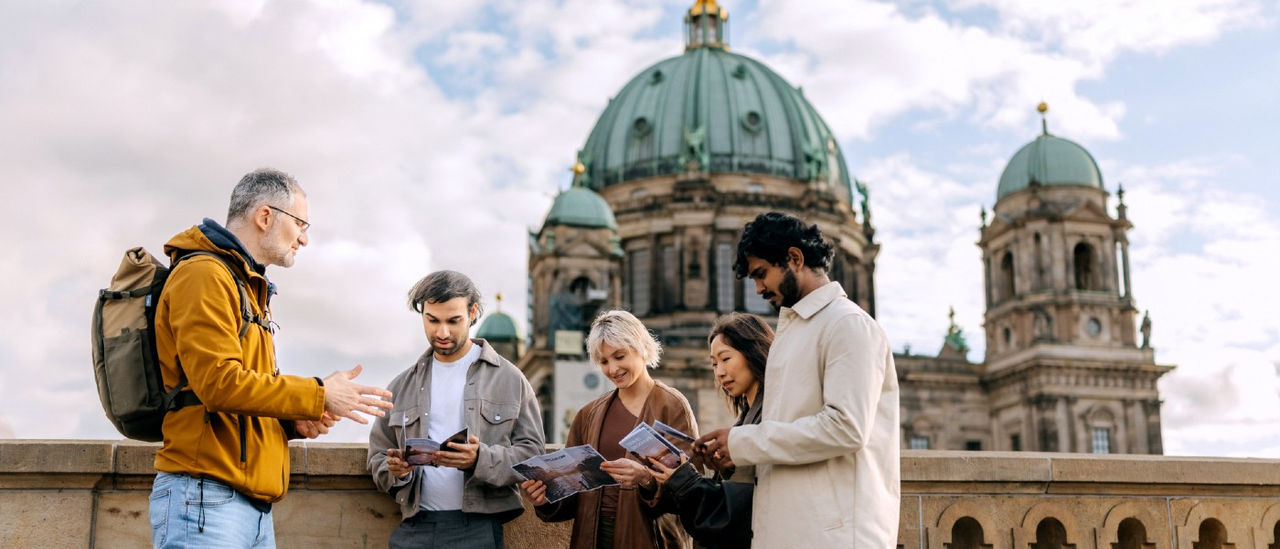
Small group tours have a limited number of travellers. Image: Getty
What is a private tour?
A private tour is organised exclusively for you and your travelling companions rather than a group of unrelated travellers.
Depending on the operator, you may be able to customise elements such as your itinerary, accommodation, activities, departure dates and pace of travel. Other private tours follow a predetermined itinerary but provide your own guide and vehicle.
This flexibility can make private tours particularly useful for families and multi-generational groups, groups of friends, honeymooners or travellers with specific interests or accessibility requirements.
Private tours can also allow you to spend longer at places that interest you and less time at those that don't.
The trade-off is cost. Because expenses such as guides and transport aren't shared among a larger group, private tours can be more expensive per person. The price difference may become smaller for families or groups able to split those costs between several travellers.
If you're interested in a private tour, an RACV Travel Agent can help you explore options through trusted travel partners and find an itinerary that suits your interests, budget and preferred pace of travel.
Small group tours vs private tours: what's the difference?
The biggest difference between a small group and private tour is who you travel with.
On a small group tour, you'll usually join other travellers and follow a predetermined itinerary. On a private tour, the booking is exclusively for your party and may offer greater flexibility.
Small group tours can provide a more social experience and may cost less because some expenses are shared. Private tours can offer more control over the pace and itinerary but may come at a higher price.
Neither style is inherently better: the right option depends on how you like to travel.
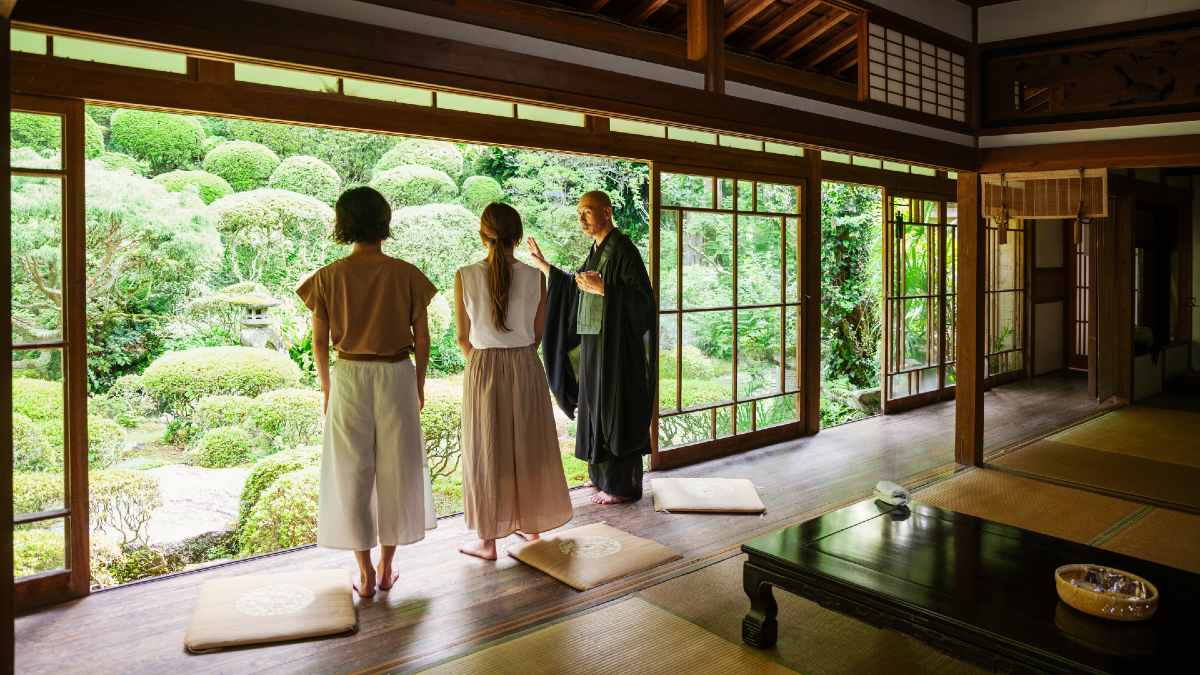
Private tours are organised exclusively for you and your travelling companions. Image: Tourism Fiji
What is a luxury tour?
Luxury tours combine organised travel with premium accommodation, transport, dining and experiences.
Depending on the destination and operator, this might mean staying in five-star hotels, travelling in premium vehicles, taking scenic flights or cruises, dining at highly regarded restaurants or gaining private access to attractions and cultural experiences.
Service is another important part of luxury touring. Groups may be smaller, itineraries may include more personalised attention, and some operators provide services such as luggage transfers or private airport transfers.
Luxury doesn't necessarily mean a packed itinerary. Some luxury tours deliberately travel at a slower pace, allowing more time to enjoy a destination rather than moving between attractions every day.
Destinations such as India and Egypt can be well suited to luxury touring, with opportunities to explore historic landmarks, cultural attractions and distinctive landscapes while enjoying premium accommodation and guided experiences.
RACV Travel & Experiences can help travellers explore touring options through its travel partners. These tours can appeal to travellers celebrating a special occasion or those who value comfort, convenience and distinctive experiences. Check exactly what's included, however, as inclusions and standards can vary considerably between tour operators.
Group tours can provide convenient access to bucket-list experiences, such as seeing the Northern Lights. Image: Getty
What is an adventure tour?
Adventure tours focus on active, outdoor or immersive experiences. That could mean hiking through mountains, cycling between villages, kayaking along a coastline, going on safari or exploring remote regions.
Adventure travel doesn't necessarily mean extreme sports. Tours range from relatively easy walking and wildlife holidays through to demanding multi-day treks and expeditions.
Australia and New Zealand are popular destinations for adventure touring. Travellers can explore Australia's rugged outback, national parks and remote coastlines, or discover New Zealand's mountains, lakes and dramatic landscapes through guided walking, cycling and other outdoor experiences.
The key consideration is the tour's activity or difficulty rating. Before booking, check how much walking or physical activity is involved, the terrain, altitude and climate, and whether previous experience or specialist equipment is required.
Accommodation can also vary widely. One adventure tour might use comfortable hotels and lodges, while another could involve camping, mountain huts or basic guesthouses.
Travellers should also check whether their travel insurance covers their planned activities. Some higher-risk activities, destinations or altitudes may be excluded or require additional cover, so read the Product Disclosure Statement (PDS) and policy conditions before travelling.
Adventure tours focus on active, outdoor or immersive experiences. Image: Getty
How to choose the right type of tour
Before booking a tour, consider what matters most to you. Think about your budget, preferred group size, desired level of comfort, how active you want to be, and how much free time you want during the trip.
It's also worth checking:
- exactly what the tour price includes and excludes
- accommodation standards and room arrangements
- transport used throughout the itinerary
- group size and traveller demographics
- activity and fitness requirements
- optional excursions and additional costs
- cancellation and booking conditions
- accessibility requirements
- passport, visa and vaccination requirements for international tours.
Look beyond the tour name and compare the itinerary: “adventure” or “luxury” can mean very different things depending on the operator.
How can RACV Travel help you choose a tour?
With so many tour operators, destinations and itineraries available, finding the right holiday can take time. Booking through a travel agency such as RACV Travel & Experiences can make it easier to compare your options and choose a tour that suits your needs.
RACV Travel Agents can provide expert advice and tailored recommendations based on your destination, budget, interests and preferred style of travel. They can also help you understand what's included in different itineraries, compare tour operators and arrange other elements of your holiday, such as flights and accommodation.
Booking through RACV Travel & Experiences also gives you access to a range of trusted travel partners, with exclusive offers and savings available to RACV Members on eligible tours.
Whether you're planning a small group tour of Europe, a luxury holiday in India or an adventure through New Zealand, an RACV Travel Agent can help you explore your options and provide support throughout the booking process.
More: Are travel agents worth it? 10 reasons to book with a travel expert
Do you need travel insurance for an organised tour?
Even when much of your holiday has been organised for you, unexpected events can still disrupt your plans.
Depending on the policy and circumstances, international travel insurance may provide cover for events such as overseas medical emergencies, cancellations, lost or delayed luggage, and other unexpected travel disruptions#.
For adventure tours in particular, check whether your travel insurance covers the activities you plan to do. If you're travelling to remote areas, also consider what assistance would be available if you became sick or injured overseas.
Note: Australians travelling domestically are typically covered by Medicare for medical and hospital care, while Australian domestic travel insurance is designed to cover non-medical financial losses and unexpected travel disruptions within Australia.
Buying travel insurance soon after booking your tour can also mean there may be cover available for cancellation events that occur before departure, subject to the terms, conditions, limits and exclusions of your policy.
* RACV Travel Insurance Member discount applies to the premium only (not applicable taxes).
# Terms, conditions (including eligibility criteria), limits, sub-limits and exclusions apply. Refer to the combined PDS/FSG for full details.
Royal Automobile Club of Victoria (RACV) Limited (ABN 44 004 060 833, AR No.1243563) (RACV) is an authorised representative of the RACV Travel Insurance insurer Tokio Marine & Nichido Fire Insurance Co., Ltd. (ABN 80 000 438 291 AFSL246 548) (Tokio Marine). Tokio Marine Management (Australasia) Pty Ltd (ABN 69001 488 455, AR No. 1313066) is an authorised representative of Tokio Marine, and administers RACV Travel Insurance as the managing agent on behalf of TokioMarine.
Terms, conditions (including eligibility criteria), exclusions, limits and sub-limits apply. Any advice is general advice only, and does not take into account your specific objectives, financial situation or needs. Before you purchase, please consider the Combined Product Disclosure Statement (PDS) / Financial Services Guide (FSG) and Target Market Determinations (TMDs) available on RACV’s website, or on request from RACV.

