When you hire a car, the rental company's car insurance usually comes with an excess, which is an amount you'll need to pay if the car is damaged or stolen, even if it wasn't your fault. This excess can run into thousands of dollars and the only way to reduce it is usually to pay the hire car company a hefty daily rate.
An RACV Rental Car Excess plan helps with that cost, for any car hire within Australia. If you have to pay an excess to your hire car company, a Rental Car Excess policy may allow you to claim some or all of it, ensuring your on-road adventure doesn’t hit a costly speed bump. Rental car excess benefits are also available on Domestic plans, as well as Comprehensive, Essentials and Annual Multi-Trip plans, if you’re planning on driving overseas.#

What is rental car excess insurance
Save 15% on car hire
RACV Members save 15% on car rentals when booking through RACV. Terms and conditions apply.
What does RACV Rental Car Excess insurance cover?
Rental Car Excess insurance helps cover the excess you might be charged by a rental car company if your hire car is damaged or stolen during a trip within Australia.#
To be eligible, you'll need a hire car from a registered rental company, a full and current Australian driver’s licence and to be listed as a driver on the rental agreement.
- Covered
- Not covered
Compare RACV Domestic Travel Insurance options
Rental Car Excess is built for straightforward road trips. Need more cover? Domestic travel insurance adds luggage, emergency expenses and cancellation cover too.#
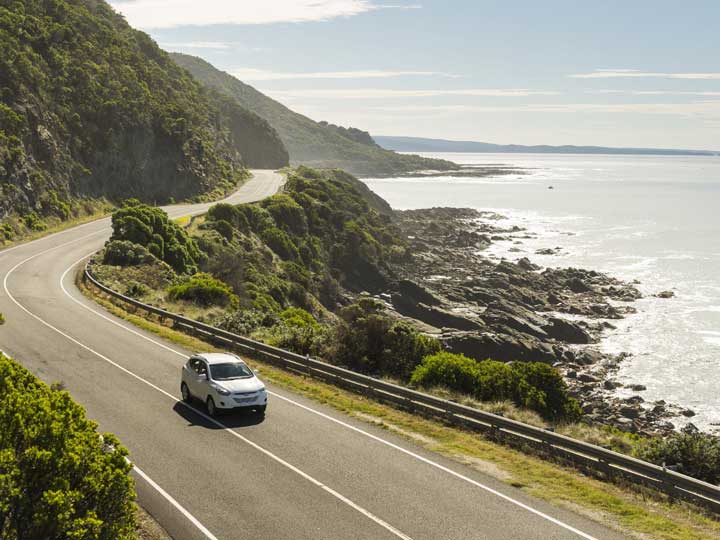
Tips for hiring a rental car
A little pre-trip preparation can save you from unexpected costs later. Here are three things worth checking before you hit the road.
Read the fine print
Rental agreements vary widely on what's included. Check what's covered under the standard insurance, what counts as an excess and whether fuel, extra drivers or one-way fees are extra before you sign anything.
Inspect before you drive
Walk around the car with staff before leaving the lot, noting any existing scratches, dents or marks on the paperwork. Photos help too - they're useful evidence if there's a dispute over damage later.
Know your excess
If the car is damaged or stolen while it's in your care, you may be charged an excess by the rental company, which can sometimes run into the thousands. It's worth knowing this figure before you drive away.
Frequently asked questions
Yes, rental car excess insurance could be worth it. If a hire car is damaged or stolen, most rental companies will charge an excess before releasing you from further costs, often somewhere between $2,000 and $6,000, depending on the vehicle and rental company. This excess will need to be paid by you whether the damage or loss is your fault or not.
RACV Rental Car Excess provides cover for the excess you have to pay to your hire car company. With a choice of limits between $1,000 and $8,000 and cover for a wide range of vehicles, rental car excess cover can help you avoid a nasty shock at the end of your trip.
Note that you need to pay the excess amount to the hire car company before you can make a claim with RACV Travel Insurance.
Did this answer your question?
Thank you for your feedback
Thank you for your feedback
Some travel insurance policies include cover for rental car excess, but this varies between insurers and even between different policies from the same insurer. Check the product disclosure statement rather than assuming it's included, since limits and conditions can differ significantly.
With RACV Travel Insurance, the availability of rental car excess cover depends on where you’re travelling:
- Domestic: available as its own standalone policy, or as part of a broader Domestic policy that also includes benefits like luggage, emergency expenses and cancellation cover.
- International: rental car excess is included as standard in the Comprehensive, Essentials and Annual Multi-Trip plans, with different limits depending on the plan selected. It isn't available on the Basics plan.
Did this answer your question?
Thank you for your feedback
Thank you for your feedback
Both options can reduce what you'd pay if a hire car is damaged or stolen, but they work differently and involve trade-offs between cost and convenience.
- Cost: rental company cover is usually charged per day and can add up quickly on longer trips, whereas a standalone policy is typically a one-off cost for the length of your trip.
- Convenience: buying at the counter is quick, with nothing to arrange in advance. A standalone policy needs to be organised before you travel, though this only takes a few minutes online.
- Claims process: with rental company cover, any excess is typically resolved directly with the rental company. With a standalone policy, you'll usually need to pay the excess upfront, then claim it back from the insurance company separately.
Did this answer your question?
Thank you for your feedback
Thank you for your feedback
No, excess reduction is optional. Rental companies will usually offer excess reduction cover at the counter or while you’re booking online, but you're free to decline it.
If you do decline, you'll remain liable for the full excess amount if the car is damaged or stolen during the rental period, even if it wasn't your fault. This is usually stated clearly in the rental agreement, so make sure you check the excess amount before you decide.
Declining the rental company's cover doesn't mean going without cover altogether. RACV Travel Insurance offers a standalone Rental Car Excess policy for road trips in Australia, as well as a broader Domestic policy that includes rental car excess as a benefit. Rental car excess cover is also available on International Comprehensive, Essentials and Annual Multi-Trip plans if you’re planning on driving overseas.
Did this answer your question?
Thank you for your feedback
Thank you for your feedback
If a hire car is damaged during your rental period, you'll usually need to report it to the rental company as soon as possible, even for minor damage. They'll assess the damage and let you know the amount you're liable for under the rental agreement. Some companies will charge the full excess, irrespective of actual repair costs, while others will only charge the cost of repairs.
In most cases, you'll need to pay this amount upfront when you return the car.
If you have an RACV Rental Car Excess policy, or another policy that includes a rental car excess benefit, you can then submit a claim to RACV to get some or all of the amount you paid back. Make sure you have the necessary documentation, such as the rental agreement, an invoice or receipt for the amount charged, any relevant correspondence with the rental company and photos of the damage if available.
Did this answer your question?
Thank you for your feedback
Thank you for your feedback
A few key factors are worth weighing up before choosing a policy with rental car excess benefits:
- Excess limit: check the policy's cover limit against the excess your rental company charges, since a policy with a lower limit than your excess could leave you out of pocket.
- Where you're travelling: some policies only apply to hire cars within Australia, while others are built for international trips, so make sure the cover matches your destination.
- Vehicle types: confirm the vehicle you're hiring is included, since policies often exclude motorcycles, campervans, trucks or off-road vehicles.
- Length and number of hires: if you're hiring more than one car during your trip, check whether the policy covers multiple hires or just a single rental period.
- Inclusions and exclusions: look for what triggers a valid claim, such as accidental damage or theft, as well as what's excluded, such as driving off-road or breaching the rental agreement.
For trips within Australia, the RACV Rental Car Excess policy covers a broad range of vehicle types with a choice of limits between $1,000 and $8,000, so you can match the cover to your rental agreement. Rental car excess benefits are also available on the Domestic insurance plan, along with International Comprehensive, Essentials and Annual Multi Trip if you’re planning on driving overseas.#
Did this answer your question?
Thank you for your feedback
Thank you for your feedback
Most rental vehicle excess policies cover everyday hire vehicles such as cars, SUVs and four-wheel drives, though what's included can vary between insurers. Check the vehicle types listed in a policy before hiring, especially if you're after something besides the usual sedan or SUV.
RACV Rental Car Excess cover extends to cars, SUVs, four-wheel drives, minibuses and campervans or motorhomes hired for carrying passengers. Motorcycles, mopeds, scooters, trucks, caravans, trailers, boats and jet skis aren't included.
Did this answer your question?
Thank you for your feedback
Thank you for your feedback
Most insurers will ask for similar documentation to process a car hire excess claim:
- the rental agreement
- evidence of the excess charged, such as an invoice or receipt
- details of what happened
- photos of the damage where possible.
It's worth checking the claims process before you travel, so you know what to keep on hand if something goes wrong.
To make a claim on an RACV Rental Car Excess policy:
- Report the damage or theft to the rental company as soon as possible and pay the excess or repair cost they charge.
- Gather your documents, including the rental agreement, an invoice or receipt for the amount charged and photos of the damage if you have them.
- Submit your claim either online or by calling RACV on 1300 207 387 (Mon-Fri 8am-9pm, Sat-Sun 9am-6pm).
Claims are usually assessed once all the required information has been provided, so having everything ready helps avoid delays.
Did this answer your question?
Thank you for your feedback
Thank you for your feedback
# Terms, conditions (including eligibility criteria), limits, sub-limits and exclusions apply. Refer to the combined PDS/FSG for full details.
* RACV Travel Insurance Member discount applies to the premium only (not applicable taxes).
## These limits are per policy.
⋄ Limited COVID-19 cover is only available for specific benefits and sub-limits apply. Refer to the PDS for full details, inclusions, exclusions and applicable limits.
Inspiration for your next Aussie adventure


Royal Automobile Club of Victoria (RACV) Limited (ABN 44 004 060 833, AR No. 1243563) (RACV) is an authorised representative of the RACV Travel Insurance insurer Tokio Marine & Nichido Fire Insurance Co., Ltd. (ABN 80 000 438 291 AFSL 246 548) (Tokio Marine). Tokio Marine Management (Australasia) Pty Ltd (ABN 69 001 488 455, AR No. 1313066) is an authorised representative of Tokio Marine, and administers RACV Travel Insurance as the managing agent on behalf of Tokio Marine.
Terms, conditions (including eligibility criteria), exclusions, limits and sub-limits apply. Any advice is general advice only, and does not take into account your specific objectives, financial situation or needs. Before you purchase, please consider the Combined Product Disclosure Statement (PDS) / Financial Services Guide (FSG) and Target Market Determinations (TMDs) available on RACV’s website, or on request from RACV.