We've recently reviewed and updated our Privacy Charter, which describes how we use cookies and other technologies to understand and improve your browsing experience. By using our site, you agree to us collecting this information and to our Privacy Charter.
You’ll be sent the latest news, exclusive offers and competitions to your inbox.
Review
2026 Subaru Outback review
Andrea Matthews
February 23, 2026
Thirty years after the first Subaru Outback launched in Australia, the seventh-generation Outback range has arrived, offering off-road Wilderness models and presenting as a liveable alternative to large and 4WD SUVs.
While technically labelled an SUV, the all-wheel drive 2026 Subaru Outback retains its familar wagon bodystyle and continues to offer the practicality demanded by Outback loyalists, with clever packaging, space, performance and off-road capability all playing to its existing strengths.
In a market flooded with large family SUVs and capable 4WDs, how does the Subaru Outback compare to established rivals like the Ford Everest, Isuzu Ute MU-X and Toyota Prado? And more importantly, does the latest Outback still stand out as one of the best all-round family adventure vehicles for Australian buyers who want comfort, practicality and genuine off-road capability?
On test here are the two grades plucked from the new line-up, the 2026 Subaru Outback and the Subaru Outback Wilderness, priced from $48,990 and $59,690 plus on-road costs respectively in Australia.
2026 Subaru Outback: At a glance
Price: $48,990 to $62,690 (plus on-road costs) ANCAP rating: Not yet rated (previous-generation Outback received 5 stars in 2021) Seats: 5 Warranty: 5 years / unlimited km Fuel type: 91 RON - learn more about fuel here Best for: Families, long-distance touring, adventure buyers, light off-road driving, regional and rural drivers, and those needing strong boot space without moving to a large 4WD SUV
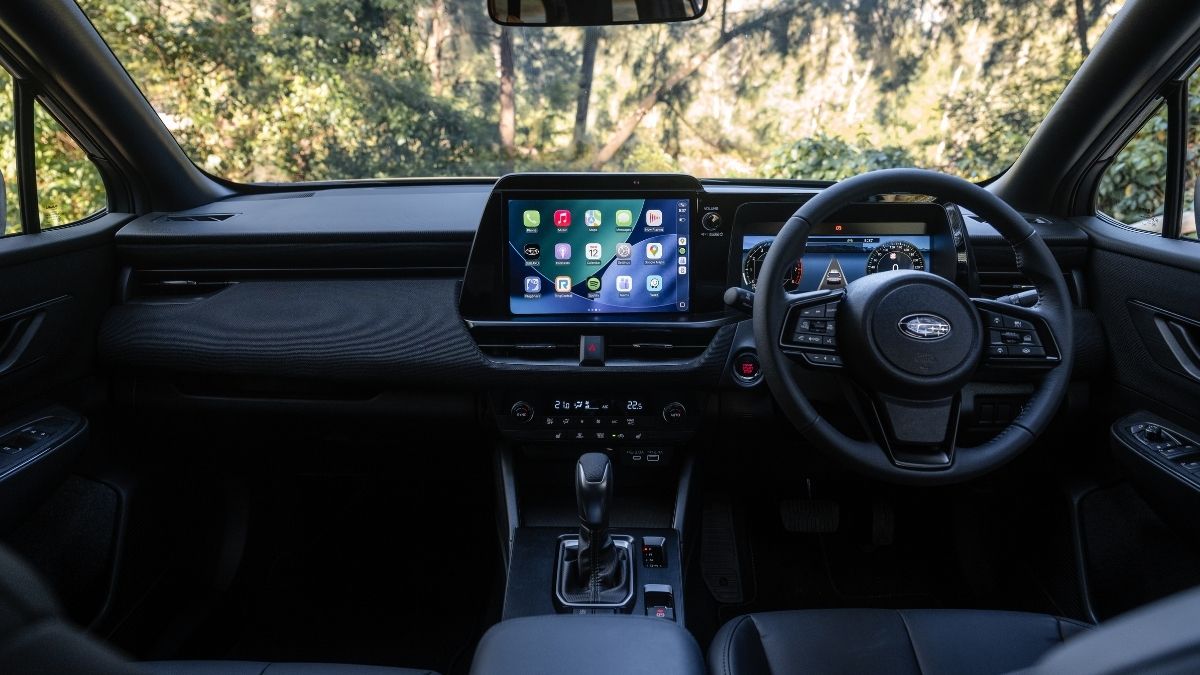
Subaru has reverted to a landscape-oriented touchscreen with physical buttons for key functions – a preferable and easier-to-use system.
How much does the Subaru Outback cost?
The new Subaru Outback is available with two powertrains: a 137kW 2.5-litre normally aspirated petrol engine and a 194kW 2.4-litre turbocharged petrol, each paired with a continously variable automatic transmission (CVT) with manual shift option through paddle shifters and the gear shifter.
Key details for the two vehicles on test follow but you can read all the details of the entire 2026 Subaru Outback range, pricing and specifications at RACV's Subaru Outback model preview.
Subaru Outback AWD key features:
2.5-litre naturally aspirated boxer engine
Subaru Symmetrical AWD
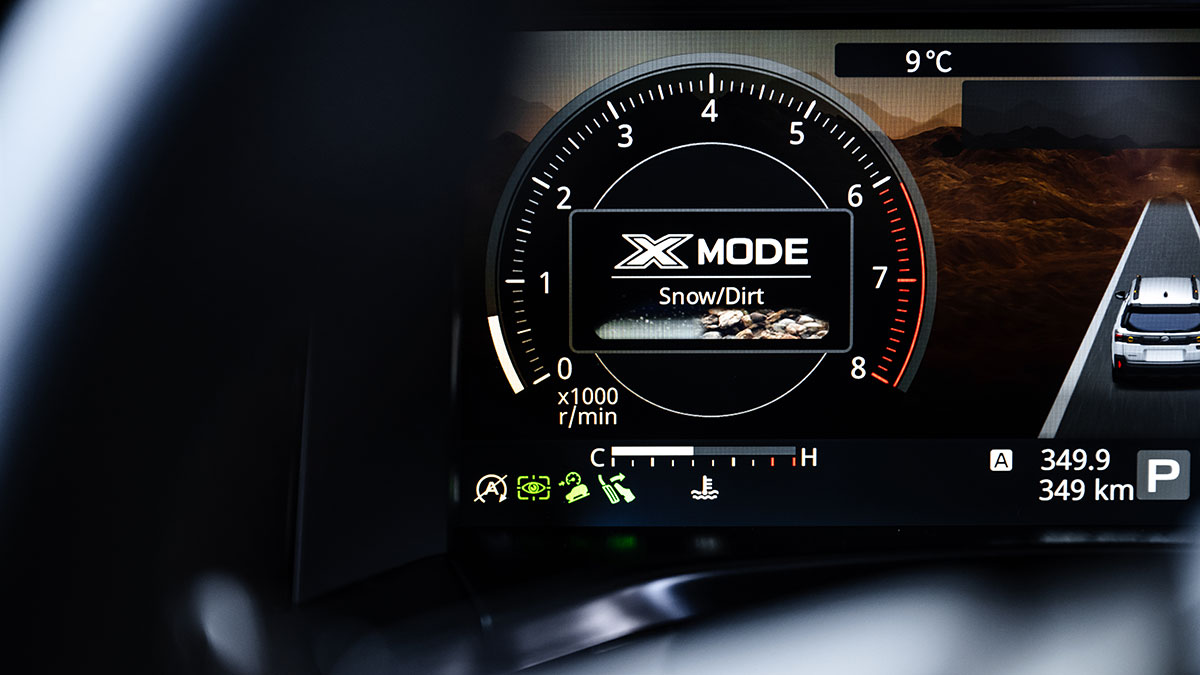
X-Mode
220mm ground clearance
12.1-inch infotainment screen
12.3-inch digital instrumentation
Wireless Apple CarPlay and Android Auto connectivity
Driver Monitoring System
Latest generation EyeSight technology and new Emergency Driving Stop System
Nine SRS airbags
Subaru Vision Assist, including Blind Spot Monitor, Rear Cross Traffic Alert, Reverse Automatic Braking and Front Side Radar
Powered tailgate
Powered driver seat with adjustable lumbar support
Heated front seats
Synthetic leather seat trim
Ladder-style roof rails
18-inch alloy wheels in a dark metallic finish
Subaru Outback Wilderness adds:
2.4-litre turbocharged boxer engine with Subaru Symmetrical AWD
Dual-mode X-Mode
Electronically controlled dampers linked to X-Mode
Minimum 240mm ground clearance
Wireless phone charger
Heated rear outboard seats
Heated steering wheel
Auto-dimming rearview mirror
Robust water repellent seat trim with Wilderness logo embossed into the front headrests
Uniquely designed LED fog lights
18-inch alloy wheels in matte black finish
Dual tailpipes
All 2026 Outback models are backed by Subaru's three-year premium roadside assistance and a five-year/unlimited-kilometre warranty, with scheduled servicing due every 15,000km/12 months (whichever comes first).
Three- and five-year capped price service plans are available, with costs varying slightly between the 2.5-litre and 2.4-litre turbo engine options. For the non-turbo cars, expect to pay $1277.71 over three years and $2351.21 over five years. For the turbocharged Wilderness models, expect to pay $1275.37 across three years and $2347.31 over five years.
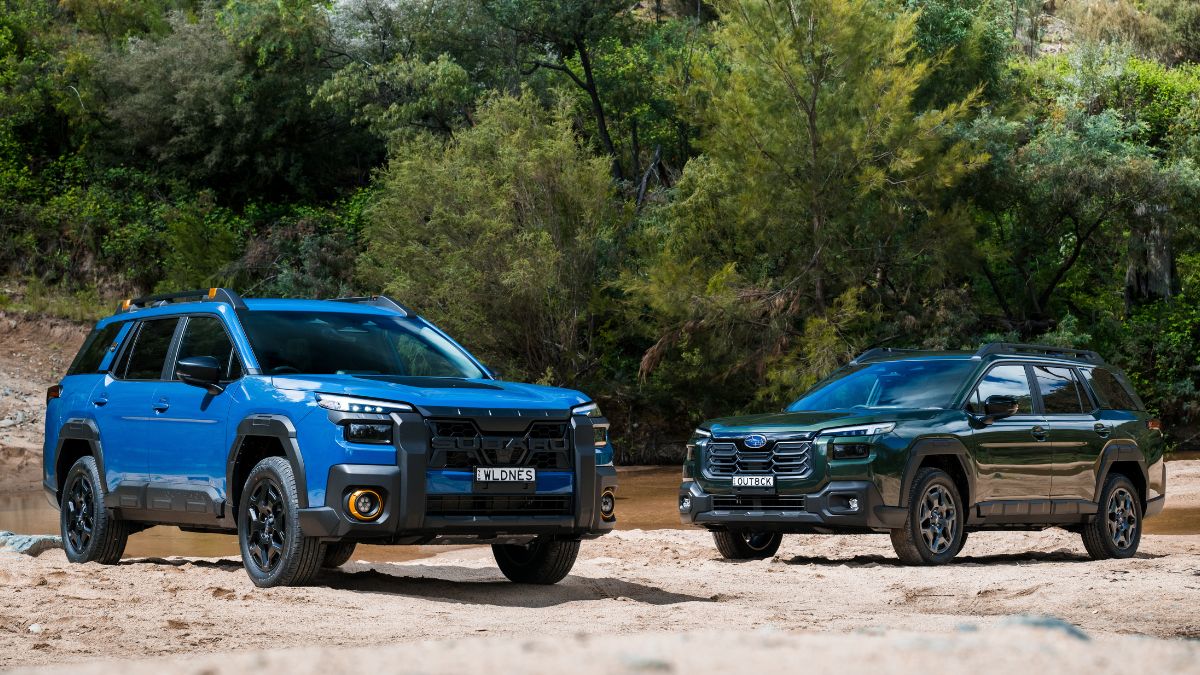
Two engine options are available for the Subaru Outback including a turbocharged petrol engine in the new Wilderness variant (left).
2026 Subaru Outback range
2026 Subaru Outback range
Price (excl. on-road costs and options)
Subaru Outback AWD
Price (excl. on-road costs and options)
$48,990
Subaru Outback AWD Premium
Price (excl. on-road costs and options)
$53,490
Subaru Outback AWD Touring
Price (excl. on-road costs and options)
$56,990
Subaru Outback AWD Wilderness
Price (excl. on-road costs and options)
$59,690
Subaru Outback AWD Wilderness Apex
Price (excl. on-road costs and options)
$62,690
2026 Subaru Outback: Design treats | 🔎 RACV car reviews video
2026 Subaru Outback exterior design
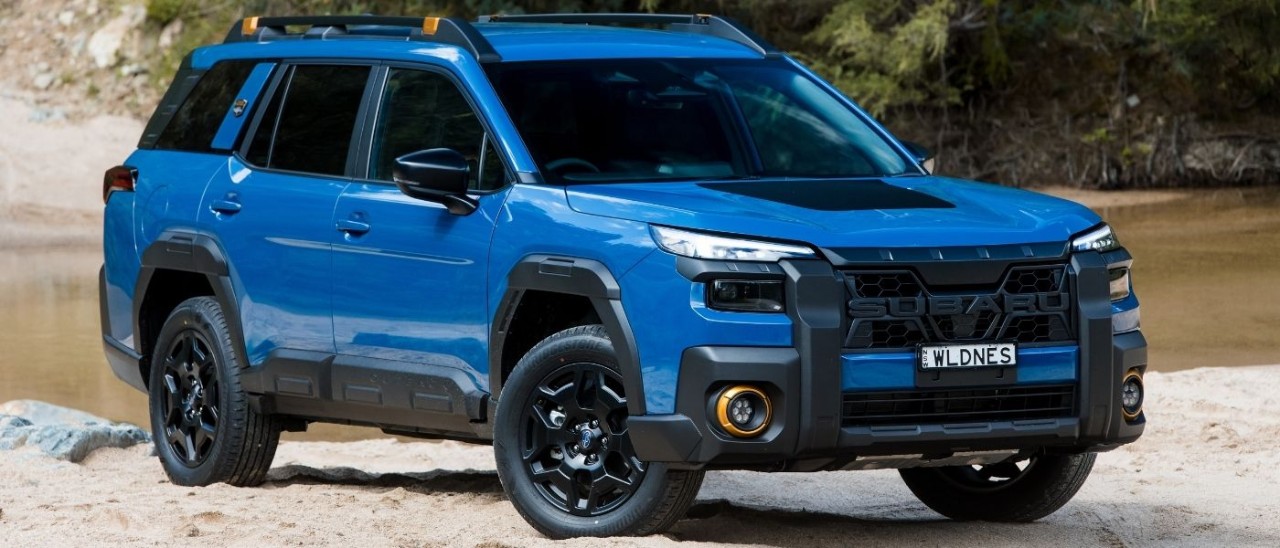
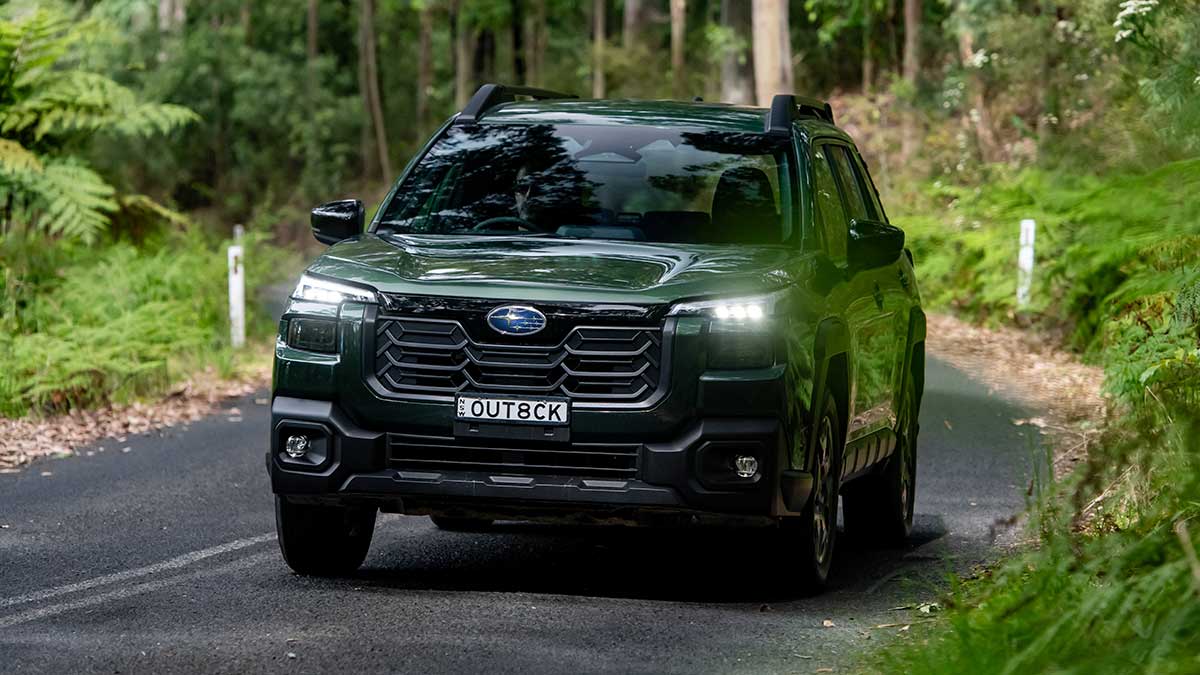
The design of the 2026 Subaru Outback is distinctly wagon that sets it apart from myriad SUVs. The range is unapologetically boxy, featuring chunky styling This means the new Subaru Outback may be a more polarising design than its previous rounded offerings, but it slots into a more contemporary set like the boxy Hyundai Santa Fe and Toyota Landcruiser Prado, both of which have proved to be popular family cars.
The Outback is now 2880mm in overall length (up 10mm on the outgoing model) and sightly wider at 1880mm, using the same 2745mm wheelbase as the last-gen Outback. The new Outback is 40mm taller at 1715mm and with an improved ground clearance of 220mm. The jacked-up Wilderness variants offer even greater ground clearance of 240mm.
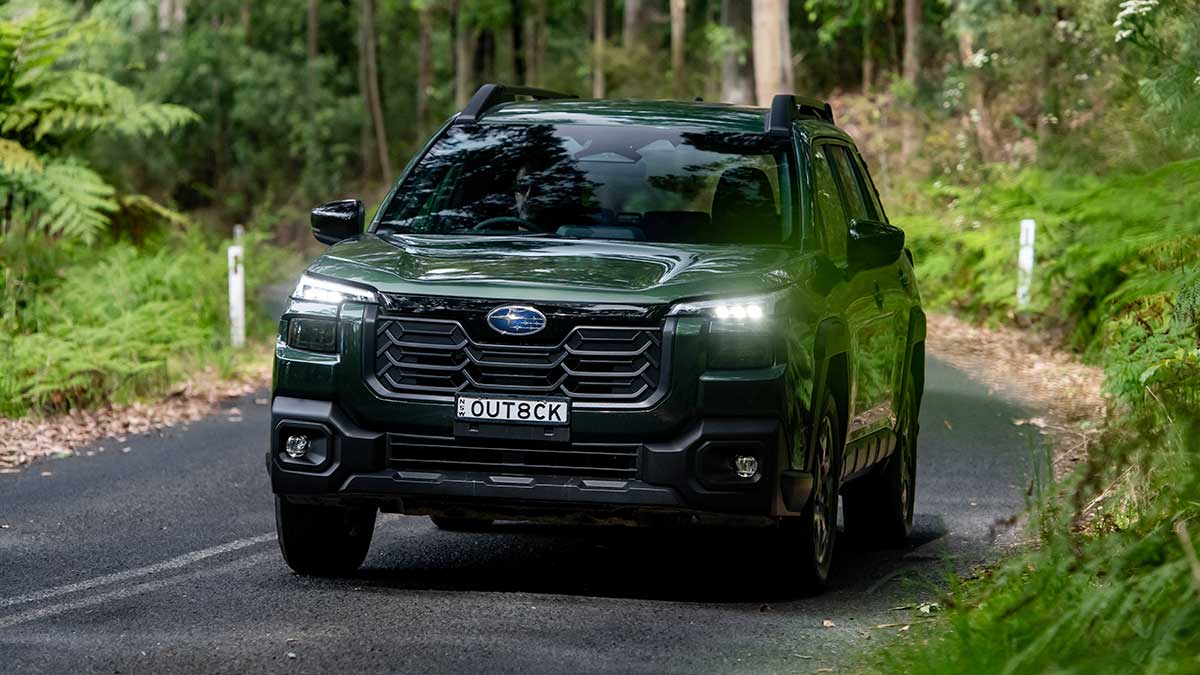
The wheel track on the Outback has been widened to 1585mm front and 1610mm rear, giving the car a larger stance, while the grille treatments differ between the cars – there's a standard roundel for all variants except Wilderness and Wilderness Apex, which both get bold, black SUBARU lettering across the face.
All models are fitted with a standard 18-inch alloy wheel shod with a Bridgestone Alenza highway tyre. While 17-inch rims and all-terrain tyres are available on the new Outback in markets including the USA, they currently aren’t available as an option in Australia. But Subaru expects Outback buyers keen to do some more serious off-road driving will choose to personalise their vehicle with their own aftermarket additions.
Buyers considering the Subaru Outback as a towing vehicle may be disappointed to learn that the extra weight and design of the Wilderness models has resulted in a reduction in towing capability. The 2026 Outback has a maximum braked towing capacity of just 2100kg, down from 2400kg in the last-generation XT model. The rest of the range can tow up to 2000kg which is ideal for a small trailer, but caravanners will need to research some light-weight options. Rooftop tent enthusiasts, however, will be buoyed by the increased static weight bearing on the roof, which can now carry up to 363kg - up from 318kg.
Of the two vehicles available to test at the 2026 Subaru Outback launch, the entry-level model is definitely the more subtle of the pair, with the Wilderness wearing garish gold garnish and bolt-on bits of plastic trim that may not be everyone’s cup of tea.
Subaru Outback: Old vs New | 🔎 RACV car reviews video
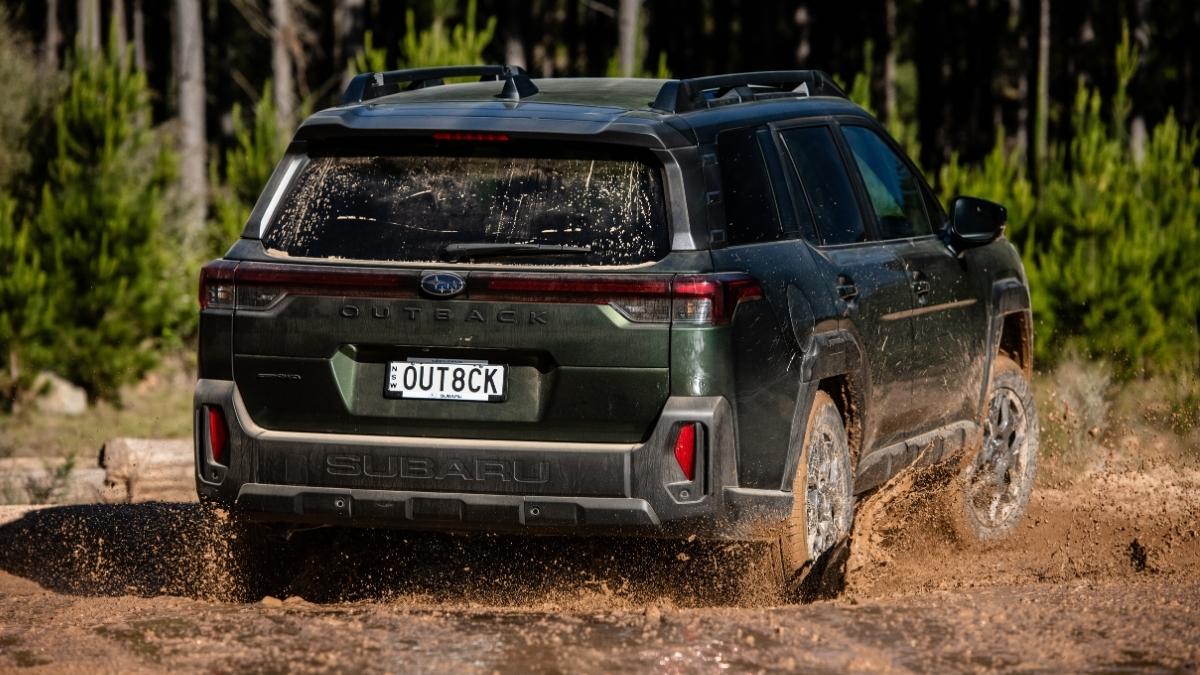
The new Subaru Outback entry mdel has a 220mm ground clearance (240mm on the Wilderness)
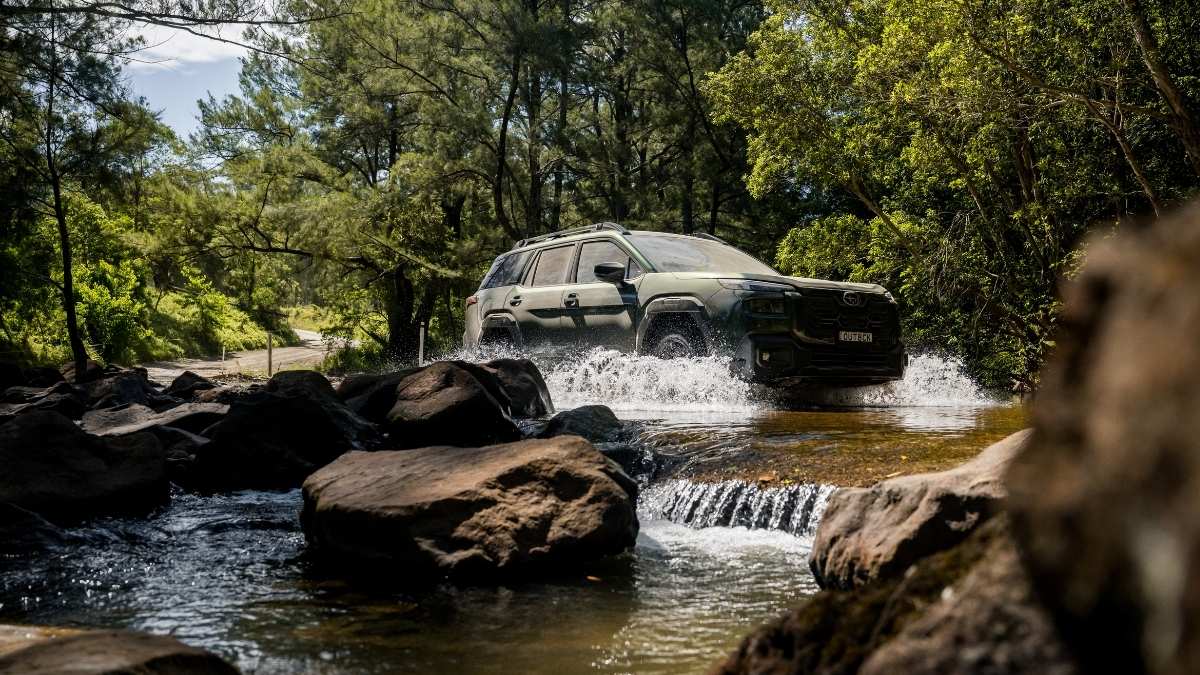
Mud is no challenge for the all-wheel drive Outback
The Subaru Outback entry model has less bolt-on bits for a cleaner exterior look
1 of 3
What is the Subaru Outback like inside?
The interior of the new entry-level Subaru Outback is a combination of quality black materials which appear hardwearing and easy to keep clean. There’s synthetic leather-appointed upholstery throughout as well as a thoughtful interior layout which is accessible and easy to navigate.
The Subaru Outback Wilderness ups the spec to include water-resistant synthetic leather trim while Touring models feature Nappa leather – which can also be specified in the range-topping Subaru Outback Wilderness Apex.
Eschewing the trend towards controlling everything through the touchscreen, Subaru is one of the first brands to revert to a more conventional infotainment layout in the Outback, and the result is a car which is refreshingly easy to use.
The touchscreen is now a conventional landscape size – 12.1-inch, which is quite small compared to a lot of other systems, but it works nicely, integrating Apple CarPlay and Android Auto with chunky buttons. If you want satellite navigation, you’ll be using your phone apps unless you opt for the more tech-focused Subaru Outback Premium or Touring or the Subaru Outback Wilderness Apex which are equipped with inbuilt sat-nav.
Up front and in the rear there are both USB-C and USB-A charging ports to maximise charging options. Alas, there’s no wireless phone charging in the entry model – again, you’ll be seeking out the Premium model and upwards for that feature.
The entry model does at least get heated front seats and dual-zone climate control, and the air-con is cool and effective.
Room in the front row is spacious and comfortable. In the entry-level Outback, there’s electric adjustment for the driver's seat but only manual adjustment for the front passenger, while the Wilderness has power to both front seats.
In the rear, there’s plenty of legroom and headroom, and the seat base is comfortable with decent side bolstering on the two outboard seats. The seat backs do have a small amount of adjustment through a fiddly pull cord located at the seat base, but it doesn’t provide significant recline so it’s a bit upright for my preference. Map pockets are generous with three storage zones on each seat, then there is a bottle holder in each door as well as cup holders in the fold-down arm rest.
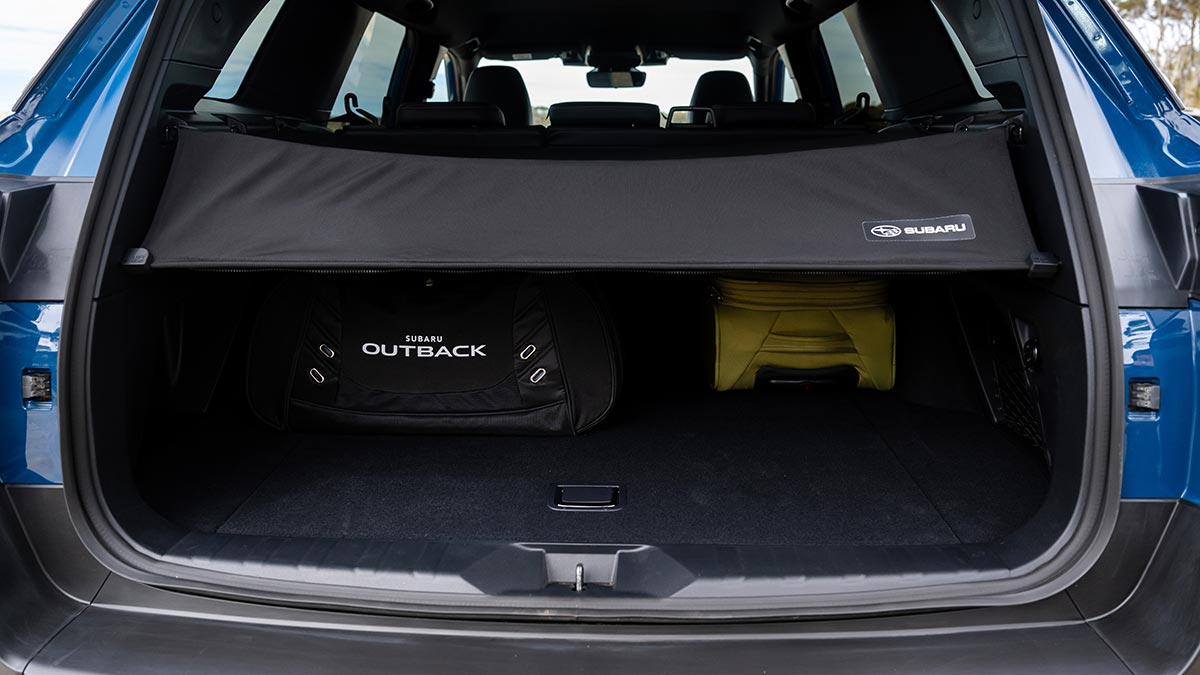
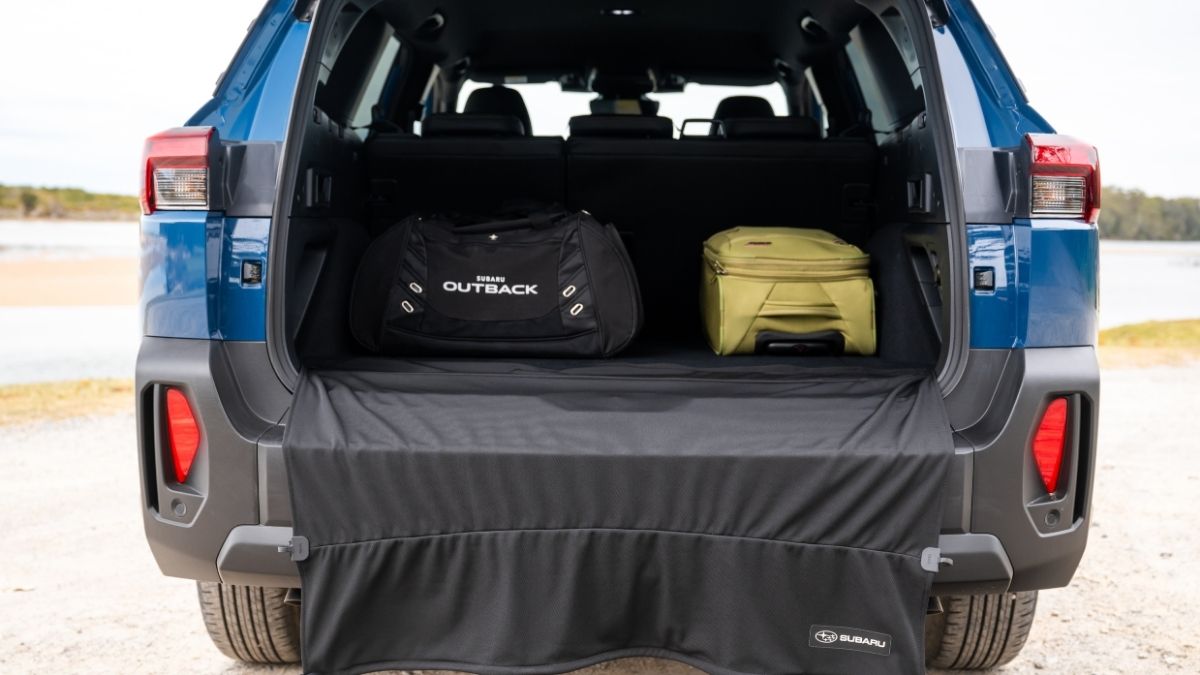
In the boot there’s more space available than the outgoing model (530 litres compared to 522L) and the 60/40-split rear seats fold completely flat using a trigger in the boot. Because they are dead flat, you can even fit an inflatable double bed in there for overnight stays. There’s some lovely innovative touches too, including a fabric cargo cover in place of a traditional hard parcel shelf. This can be packed down for easy storage and configured in a number of ways including being used as a guard to stop dogs or loads scratching the bumper, a hammock mode for carrying light gear, and as a section divider. There is also a pair of hooks and new to the Outback are eight handy tie-down points to help motorists secure gear.
Under the boot floor is a full-size spare wheel – the best option to keep you on the road, particularly in the actual outback where an inflator kit or space-saver spare wheel would require you to divert to a service centre.
The Outback's clever cargo cover serves multiple functions...
...and can be used to protect the car from scratches when loading
X-Mode helps to maintain grip on loose surfaces with an extra level of support in Wilderness models
1 of 3
Is the Subaru Outback good to drive?
In a sea of medium and large SUVs, the new 2026 Subaru Outback stands out by offering drivers a genuine alternative to the high-riding, wallowy feel of a large SUV, without losing out on any of the practicality.
Like the recently revamped Subaru Forester, all Outback models benefit from an improved electric power steering system and a new dual-pinion set up which means steering requires less effort, contributing to a pleasant driving experience in both models. Think that doesn't matter? Take the Outback for a test drive, and I think you'll be impressed by just how effortless the steering is, how easy it is to drive, and manoeuvre into parking spots.
The all-wheel drive system is not busy like in some SUVs, so whether you opt for the entry model or the Wilderness with its new electronically controlled active damper set-up, you’ll find a vehicle which is balanced on-road, and capable off-road.
The standard Bridgestone Alenza 225/60R18 tyres acquit themselves well on tarmac and are surprisingly confident off-road, where they maintain good levels of grip even on the extended path of chunky rock surface we experienced on test. On tarmac, they are quiet, helping deliver a calm ambience within the cabin, most noticeably on the return journey from Bathurst to Sydney Airport where the Outback proved an excellent road trip companion for a three-hour-plus journey.
The biggest difference in the two vehicles is the powertrain and the active damper set-up of the Wilderness model. The 2.5-litre normally aspirated petrol engine in the entry model is best described as a solid performer. For commuting, and leisurely cruising, it is more than adequate, paired brilliantly with a CVT which is rarely put under stress. It’s a far cry from older CVT systems which whine and strain when the throttle is loaded up.
All that said, the non-turbo powertrain did require some encouragement when tackling steep uphill overtakes, but judicious use of the paddle shifters helped to maintain progress. It’s a reminder that the 2026 Subaru Outback is not a performance machine. Rather, it's a sensible car that goes about its business with little fuss. Fuel economy on road from the less powerful engine came in at 9.7L/100km on a section which included some uphill climbing, and an encouraging 8.5L/100km on the long downhill stretch from Bathurst to Sydney Airport. That's compared to the ADR claimed consumption of 8.1L/100km.
In contrast, the 142kW 2.4-litre turbocharged petrol engine exclusive to the Wilderness models addresses the power gap nicely, making strong progress with little encouragement. Again, the CVT comes into its own here, assisting with power delivery to minimise turbo lag. A combined drive of paved road and off-road sections in the Wilderness showed 10.6L/100km on the dash, greater than the 9.7L/100km ADR combined claim.
Is the Subaru Outback good to drive off-road?
On a lengthy off-road section of unsealed roads and rocky fire trails, both the Subaru Outback Wilderness and the standard Subaru Outback aquitted themselves well, with the ground clearance in both unchallenged. Employing the X-Mode system contributed to a drive where the Outback excelled, navigating steep rock climbs with ease.
Of note here again is the CVT transmission, which does an excellent job delivering torque to the wheels, comparable in fact to the oomph you get from a large turbo-diesel four-wheel drive. It's very convincing but without the labouring involved in a heavy SUV.
What is Subaru X-Mode?
In the new 2026 Subaru Outback, X-Mode controls the Subaru Symmetrical All-Wheel Drive system, optimising performance for surfaces where standard all-wheel drive might struggle. While the AWD system is always active, engaging X-Mode recalibrates the vehicle’s entire drivetrain to prioritise maximum grip at speeds below 40km/h.
X-Mode works by moderating several systems within the car including throttle mapping, transmission gearing, enhanced AWD coupling and active braking. These technical smarts combine to prevent the car digging in, ensuring power is delivered gradually to avoid wheel spin on ice or loose gravel.
The CVT is locked into a lower gear ratio, providing higher torque for climbing steep or technical terrain while enhanced AWD coupling increases the locking force between the front and rear axles, ensuring power is distributed more evenly across all four wheels before slippage even occurs.
Higher model grades, such as the Wilderness, feature Dual-Function X-Mode. This adds a Deep Snow/Mud setting that specifically disables traction control, allowing the tyres to spin freely to maintain momentum through heavy mud.
The Subaru Outback is a great all-rounder that should meet the needs of most Australian motorists.
What safety features does the Subaru Outback have?
While the new-generation Subaru Outback has not yet been tested by ANCAP and does not currently carry a safety rating, the previous-generation model tested back in 2021 was awarded a maximum five stars. There’s no word yet on how the new Outback will fare under tougher ANCAP testing protocols, but it has increased features over the outgoing vehicle with a strong focus on safety and visibility with clear vision around the car a highlight.
Every model features Subaru’s enhanced EyeSight driver assist system with a new wide-angle camera that the brand says will better recognise cyclists and pedestrians across a wider field of view.
A driver monitoring system comes as standard and uses an interior camera to track your face and posture and warn if you’re drowsy or distracted. Warnings are largely subtle so the entire cabin is not alerted, but interestingly the Subaru includes a feature that will slow the car to a stop if you don’t react to an increasing level of warning.
Subaru’s Vision Assist suite also comes as standard, with front-side radar, a blind spot monitor and rear cross traffic alert to warn of approaching hazards. There’s no 360-degree View Monitor (with 3D and overhead perspectives) in either the entry model or the base Wilderness, so you’ll need to move up in price to gain that valuable technology.
Underneath, a reinforced body structure with additional ultra-high-tensile steel and a new collision sub-frame improves crash protection, while nine SRS airbags, including a new far-side airbag, provide additional protection. On the road, safety is enhanced with active torque vectoring to improve cornering stability and auto vehicle hold which prevents rolling on hills or in heavy traffic.
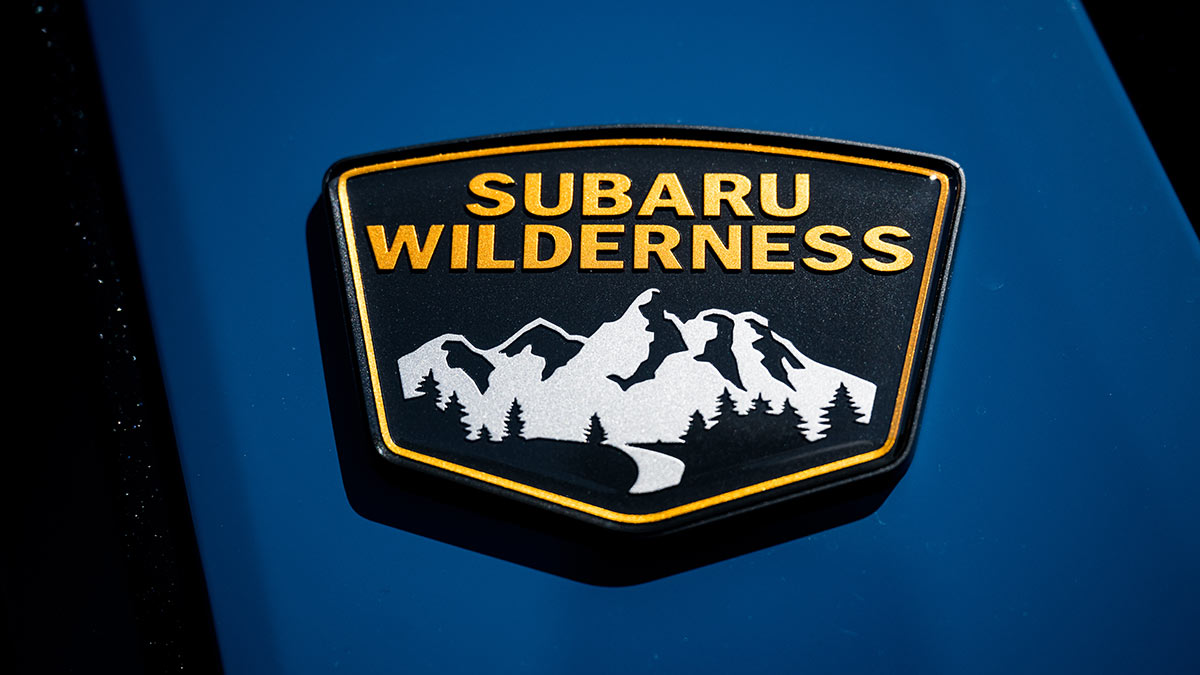
A Wilderness badge on the tailgate helps the range-topping Subaru Outback stand out.
How does the Subaru Outback compare?
Whether you opt for sub-$50,000 Subaru Outback AWD or the off-road swagger of the more expensive, but more accomplished, Subaru Outback Wilderness, you'll be choosing a vehicle which is more car than SUV, even though it can tackle the same terrain as some more complex (and more expensive) four-wheel drive SUVs.
In its competitive set are some of Australia's most popular large SUVs including the Ford Everest and Toyota LandCruiser Prado, both of which are thoroughly capable through rugged terrain but often just too much car for many everyday drivers. The Outback offers comparable interior space – feeling positively TARDIS-like with a configurable boot space which nails its brief – to support Australian adventurers, their families and their four-legged friends.
Yes, the larger 4WDs offer seven-seat options which may be a non-negotiable for some drivers, but the Outback is arguably just as flexible compared to five-seaters, especially for people looking for a large SUV which can tackle urban and outback environments with ease.
I think the latest-generation Subaru Outback is something of a gem. In a sea of complex vehicles, the new Subaru Outback goes about its business in a more sensible and simple manner. The joy of X-Mode and the permanent all-wheel drive system is its simplicity, making off-road tracks more accessible for drivers who don't want to navigate complex 4WD systems or multiple drive modes.
For me, the highlight is the practical packaging – with more capability for adventuring thanks to the additional roof weights and all the usable space in the rear, highlighted by multiple tie-downs, hooks and even that cargo cover that's very houghtful. Yes, you'll be losing towing capability if you choose the 2026 Outback Wilderness, but that's really only going to be an issue if you want to tow something mid-size. For basic trailers and tip runs, the Outback should be more than adequate.
You've also got the benefit of proven powertrains and a well-established dealer network, so the 2026 Subaru Outback may be a better option when it comes to the overall ownership experience.
The information provided is general advice only. Before making any decisions please consider your own circumstances and the Product Disclosure Statement and Target Market Determinations. For copies, visit racv.com.au. As distributor, RACV Insurance Services Pty Ltd AFS Licence No. 230039 receives commission for each policy sold or renewed. Product(s) issued by Insurance Manufacturers of Australia Pty Ltd ABN 93 004 208 084 AFS Licence No. 227678.
Want more articles like this?
Subscribe to RACV News for advice on cars, safety, home and travel.