
Learn how older Australians can improve home security with easy-to-use alarms, lighting, personal alarms, trusted contacts and accessible safety tips.
Security
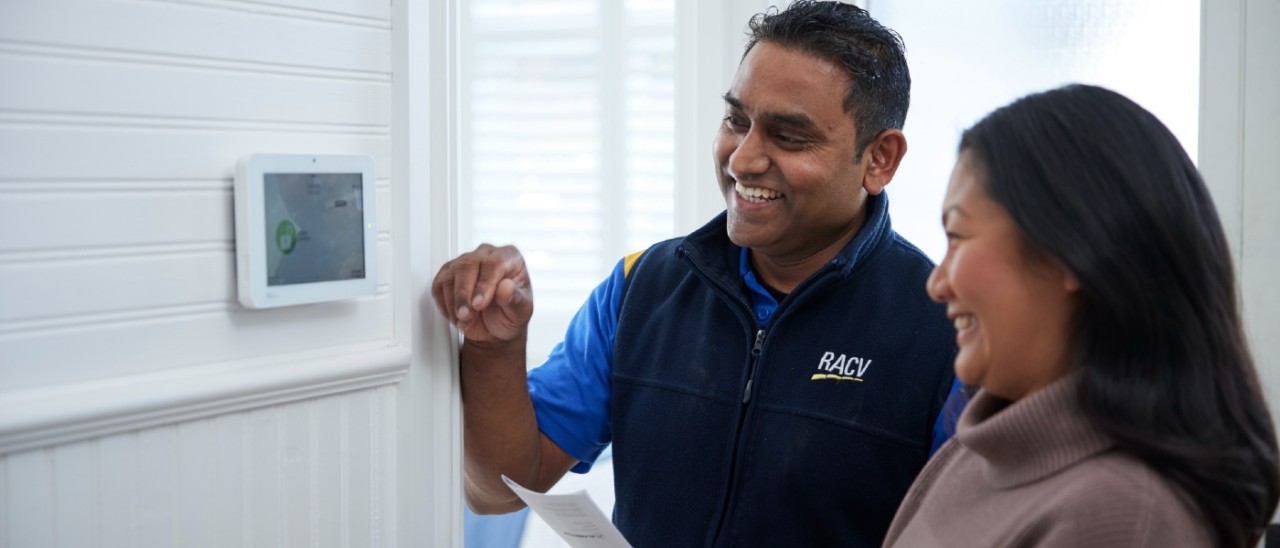
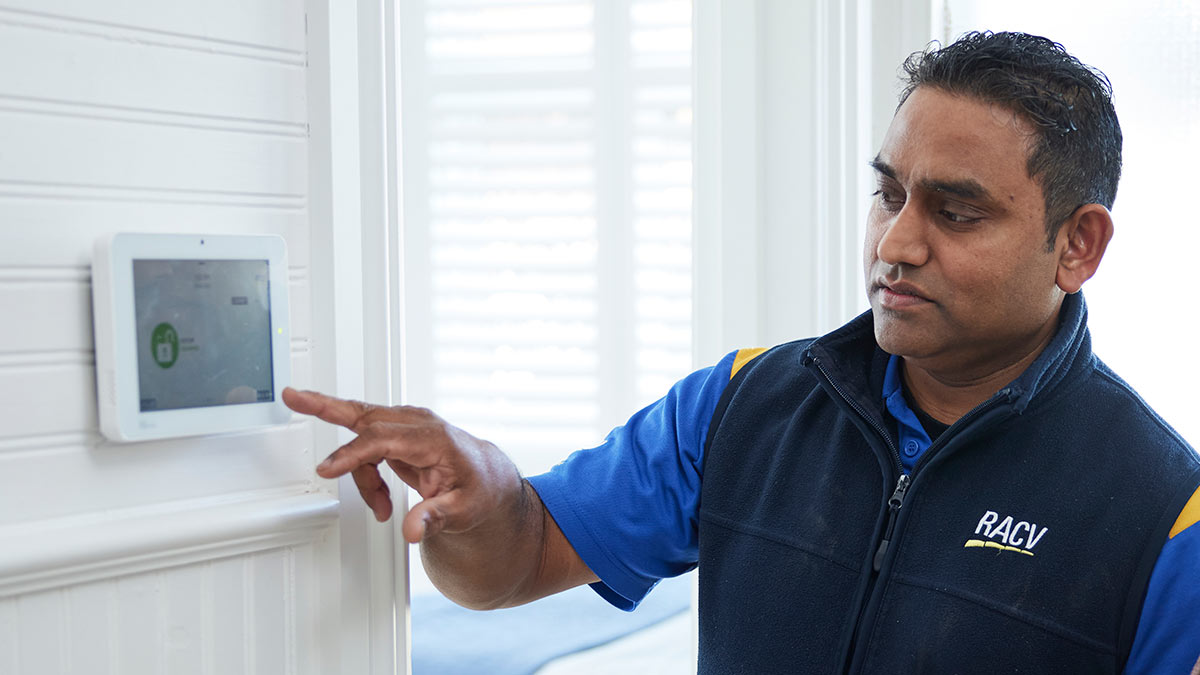
Choosing the best home security system: guide to CCTV, alarm systems and monitoring
A quality home security system tailored to your property by a qualified, licensed installer can help deter thieves and provide peace of mind. Our comprehensive guide to CCTV, home alarms and monitoring will help you mount a strong defence against would-be intruders.
You can never be too cautious when it comes to protecting your home and personal belongings, so investing in CCTV security cameras and an alarm system with professional monitoring 24/7 is highly recommended.
Home break-ins and burglaries remain a significant problem in Victoria, with Crime Statistics Victoria reporting more than 27,953 burglary and break-and-enter offences at residential locations during 2025.
Being proactive, by installing a quality home security system, can help deter thieves and provide you with peace of mind.
Guide to home security in Australia
How to choose the best security system for your home
Home security systems help protect your home by both monitoring your home and by acting as a visual deterrant for thieves. No home security system will prevent determined thieves, but they can help prevent opportunistic crime and provide evidence in the case of an incident.
The best security systems are those which use a combination of measures tailored to your premises so using a qualified and licensed installer (with Private Security Individual Registration) will help you achieve this. Tools such as Neighbourhood Watch's How Safe is My Place program can help residents identify areas where they can improve their home security.
Don't forget to address basic home security measures in favour of a high-tech security systems either. Working locks, sensor lights, a well-maintained home and a good relationship with your neighbours can all help improve your home and neighbourhood safety.
More: How to secure your home and deter burglars
Are hardwired or wireless home security systems better?
Choosing between wired or wireless home security systems is one of the major decisions you’ll need to make when selecting a security system. Both types of systems have pros and cons and both support security features like alarms, cameras and sensors.
Whether or not your home is suitable to a wired or wireless system also depends on your home's setup and construction, as well as whether you're installing into a home being built or retrofitting.
The right choice largely comes down to the construction of the home and whether the system is being installed during a build or retrofitted later, as well as the end user’s preference for flexibility, installation approach and ongoing use.
Benefits of hardwired home security systems
- Stable, fixed setup
- Ideal for new builds or larger renovation projects
- Designed to suit long-term, fixed installations
Benefits of wireless home security systems
- Flexible placement of devices around your home
- Faster and less invasive installation
- Easy to expand, adjust or relocate as your needs change
Are monitored or unmonitored alarm systems better?
Home security systems monitored by a 24/7 professional monitoring service is generally regarded as the gold standard in home security. This is because you have someone watching over your property at all times (including when you're away from home or asleep) who can immediately check out any disturbances or alert emergency services (where appropriate).
Most modern alarm systems use the same core equipment, with monitoring offered as an optional extra service (commonly through a low-cost subscription).
Unmonitored - or self-monitored - security systems rely on the homeowner to respond to alerts directly. This means taking full responsibility for assessing and acting on notifications, without the immediate support or escalation to emergency services that professional monitoring can provide.
More: What thieves want to steal from your home while you're on holiday
An alarm system should be tailored to your home and easy to use, with your licensed technician providing basic training when it's installed.
Types of home security systems in Australia
Jump to:
CCTV security cameras
Best for: Monitoring and recording activity around your property, deterring potential intruders through visible surveillance, and providing footage that can help police identify and investigate offenders after a break-in.
CCTV usually comprises several cameras strategically placed to monitor entry points, the perimeter of the home and specific areas such as the garage, tool shed or where other valuable assets such as boats and caravans are parked.
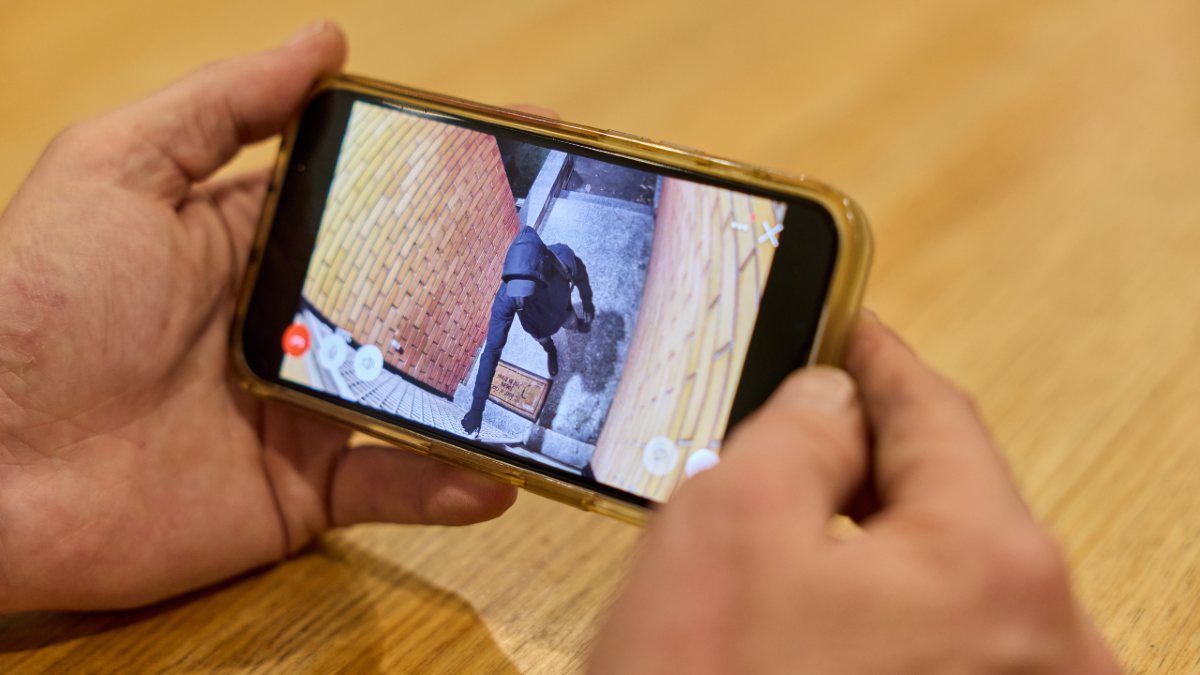
A CCTV system allows you to live stream what’s happening around your home and to review footage after an event has occurred, usually via an app on your smartphone or computer. This could be used to help police solve a crime.
When clearly visible, the cameras provide a visual deterrence to help prevent crime in your neighbourhood. CCTV technology has also now evolved to include Active Deterrence features, designed to intervene in real time. When triggered, these systems flash red and blue strobe lights and use built-in voice alerts to warn intruders they've been detected. These features can further deter criminals beyond tradtional CCTV surveillance.
CCTV security cameras can be used in conjunction with a house alarm system, which provides an extra level of deterrence and can alert you to an intrusion.
Read more: How to improve security in your neighbourhood
How to choose a CCTV security system
Rather than opt for a cheap DIY system or even fake cameras that are easy to spot and could undermine your home’s overall security, a CCTV system tailored to the property by a licensed professional will help ensure adequate survellience of your property.
They can advise on the number of cameras needed based on the potential security threats around your home, installation options (such as cabling or wireless) and deliver a CCTV system that’s high quality, reliable and easy to use.
For the best performance, the cameras should be high-definition, heavy-duty and weatherproof, with automatic night vision for clear pictures even when it’s dark. The CCTV system should support live streaming and playback via an app or home monitor, with high-definition recordings able to be stored for several weeks at a time.
As well as providing a tailored solution, a licensed security installer should also offer basic training on system operations, professional installation (with warranty on parts and labour) and servicing and maintenance.
Read more: What burglars want to steal most from you
Many households appreciate the convenience of home security systems that allow you to monitor security camera footage via a smartphone app. Photo: Matt Harvey
Home alarm systems and monitoring
Best for: Detecting intruders in real time. Good at providing peace of mind when away from home, especially when combined with 24/7 professional monitoring that can respond to incidents immediately.
Home security alarm systems are designed to detect intruders, warding them off if they enter your premises or reducing the time they might spend inside.
Most alarm systems have a main control panel connected to devices such as motion sensors and reed switches. The latter use a magnetic field and detect intrusion when the doors or windows are opened.
Whether you’re sleeping or away from home, alarm systems provide peace of mind, especially when combined with 24/7 back-to-base professional monitoring, where specially trained consultants will respond by actioning your nominated emergency response plan.
This might be calling you or someone you have nominated, sending a security patrol guard or, in some cases, sending emergency services.
Your alarm system may also have the option of smoke detection integration, which can report back to the monitoring team.
If you have an existing house alarm that’s less than 15 years old, you may be able to have the system monitored, so speak to a security professional.
Read more: What to do after a burglary
How to choose an alarm system
There’s really no substitute for a high-quality, well-integrated and easy-to-use alarm system that’s tailored to your home and installed by a licensed technician.
Every home and every homeowner’s requirements are different, so a qualified professional will be best placed to assess your property and provide a detailed plan covering sensor placement, wired or wireless installation options, advice on pet-friendly detectors, and more.
You should look to companies that provide basic training when your system is installed – such as knowing what to do if the alarm is accidentally triggered – plus ongoing support and over-the-phone assistance when you need it at no additional cost.
There should be a warranty on parts and labour and options for servicing and maintenance of your system, which should provide years of hassle-free operation but will benefit from servicing every 12 to 24 months to ensure ongoing reliability.
Also expect the alarm system to be integrated with a smartphone app.
For a fully integrated alarm system compatible with a modern smart home, your licenced security adviser should also be able to offer alternatives that combine seamlessly with CCTV cameras and come with other benefits such as real-time mobile alerts
Smart home security systems
Best for: A customisable home security system that you can add devices to, install and monitor yourself, and integrate into your larger smart home network of devices.
Smart home security incorporates devices like video doorbells, digital and biometric smart locks, motion sensors and cameras that are internet-connected and usually linked and managed via an app.
This type of security system is modern, sleek, easy-to-install and usually at an accessible price point. They’re a popular option for renters too, as many smart home security devices are portable. Some smart cameras also use auto-tracking to keep moving objects centred in frame as well as AI to better detect threats.
Smart home security systems can usually also be added to as your security needs or budgets allows. For instance, you might start with one smart camera near your garage, later adding a video doorbell, then another camera by your backdoor and then perhaps a smart lock on your side gate – all of which could be monitored by the same central app or smart home display.
How to choose a smart home security system
While smart home devices are convenient and modern, they can potentially be vulnerable to inteference, hacking and other cybersecurity issues that arise from being connected to the internet. There have been cases where thieves have used Wi-Fi jammers to block smart cameras or hacked them to gain access to internal home monitoring.
These cybersecurity issues are most common in certain DIY or lower-grade systems, and far less common in professionally installed smart home systems (which are typically designed with more robust communication protocols and safeguards in place).
For this reason it's vital residents take care when selecting their smart home devices. Opt for longstanding brands that offer two-factor authentification, strong encyrption and provide regular software updates. If possible, choose devices that can still work in the event of an internet outage.
Choose smart home devices that can be hardwired to your home also helps make them more secure and harder for thieves to tamper with, while also providing the interconnected benefits of smart home security systems.
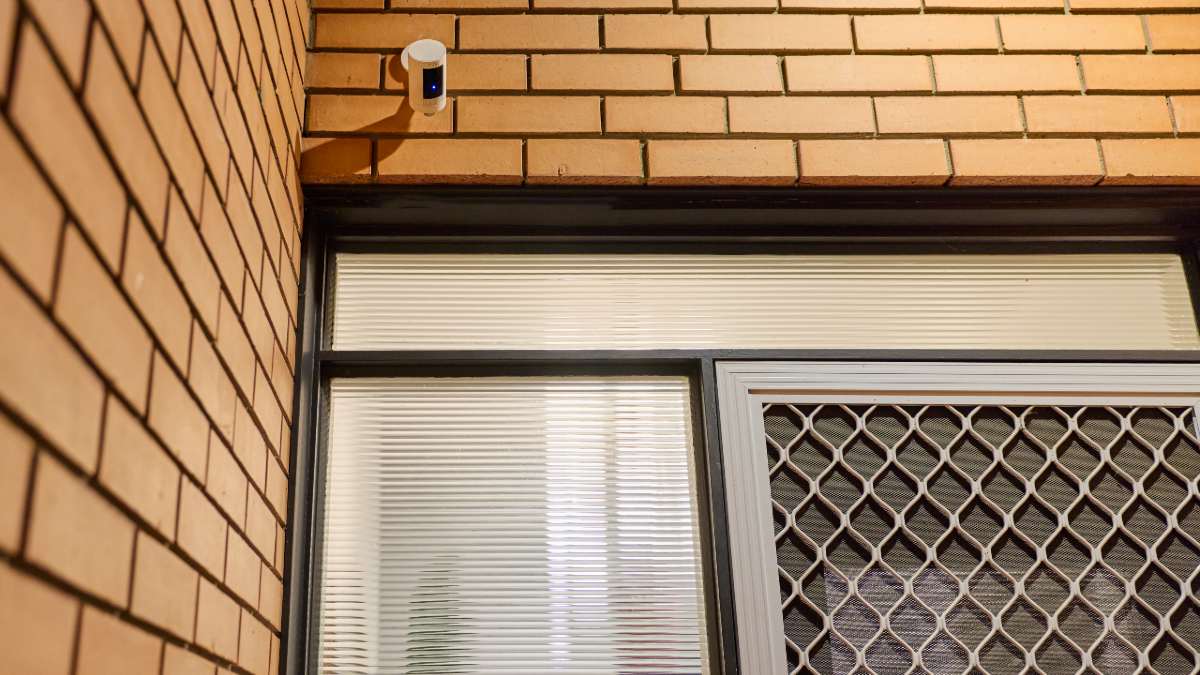
Make sure you install any sensors or security cameras in suitable locations if opting for a DIY installation. Photo: Matt Harvey
How to set up a home security system – tips and tricks
Where should I place my home security system?
A professional home security expert is the best person to advise you on where to place your home security devices. Generally speaking, however, you want to place alarm sensors or security cameras at the likely entry points to your home.
For security cameras, this means placing them outside where they face your external doors (front and back), garage door and any other key locations. Alarm sensors should be place inside the home where they will pick up movement from entry points (external doors and windows).
Both devices should be placed high enough to make physical tampering difficult. Make sure any alarms system or cameras are visible so they also work as a deterrant.
What size system do I need?
Professional can best advise on the size of home security system you need, including the number of sensors and cameras.
Factors that can impact the size of your home security system include:
- The size of your property
- The number of entry points
- How many stories your property has
- Level of coverage desired
Does my security system need to be professionally installed?
It can be tempting to save money by installing your home security system yourself. However, whether or not the installation is suitable for DIY very much depends on the individual system you’ve purchased.
DIY home security systems are typically cheaper and convenient to install. However, those factors can make them more susceptible to damage or removal by thieves.
Professionally installed systems tend to be harder for thieves to remove or tamper with, though it should be noted that no home security system is foolproof.
Always refer to the installation information provided when purchasing your home security system.
There are rules in Victoria as to what modifications renters can make to rental properties.
So long as the rental property is not heritage listed, renters in Victoria do not need the rental provider's consent to install security lights, cameras and systems as long as they are not hard wired, do not impact the privacy of neighbours and can be easily removed.
Rental providers also cannot unreasonably refuse a renter's request to install modifications that are for reasonable security measures, including security systems installed by a qualified installer (make sure you keep the invoice).
Read more: The minimum rental standards all rental properties in Victoria must meet
Homeowners who belong to an owner’s corporation, such as apartments and townhouses, can usually still install most home security systems. Your building complex may also have security systems or cameras installed in the common areas (like the foyer or carpark).
Depending on the system and where you’re wanting to install it, you may need to seek approval from your owner’s corporation. You can find further information in the Owners Corporations Act 2006 as well as in within any special consolidated rules pertaining to your individual owner’s corporation.
Moving into a house with an existing home security system can save you some of the costs involved in setting up a system from scratch.
If you believe the system is 10-15 years old, it may be possible to get it up and running. The first step is to contact the security company listed on the system who can advise you whether it’s still functional. Keep in mind to research the security provider and any costs to avoid being locked into a contract you’re not happy with.
You may also be able to upgrade the system or you can remove it and replace with an entirely new security system.
Whatever option you choose, ensure no past residents can access the system.
RACV Security Pty Ltd ABN 49 079 148 342 trading as RACV Home Security. Security Licence (Vic.) 733-411-10S and Security Registration (Vic.) 733-411-31S.

