Moving house? From packing boxes to protecting your contents, here’s how to successfully relocate your belongings to a new home.
First Home Buyer


Moving from a rental to your own home: complete guide
Buying your first home? Learn how to move from a rental property to homeownership, including settlement, utilities, insurance, moving tips and maintenance.
Buying your first home, whether it's a freestanding home, townhouse or apartment, is an exciting milestone. After years of renting, having a place to call your own can offer greater stability, freedom and a sense of achievement. However, the transition from tenant to homeowner involves more than simply collecting the keys and moving your belongings.
From organising utilities and updating your address to understanding your new maintenance responsibilities, planning ahead can help make the move smoother and less stressful.
Consider a building inspection
Before you make an offer on a property or attend an auction, enlisting a professional building inspection means you will get a thorough and expert assessment of the property, including checks for major and minor defects, safety hazards, evidence of pest infestations and other areas of potential concern.
Prepare your finances before settlement
Moving into your own home often comes with expenses that renters may not have encountered before. Alongside mortgage repayments, you'll need to budget for costs such as council rates, home and/or contents insurance, utility connection fees, and ongoing maintenance.
Before settlement, review your budget and make sure you have an emergency funds for unexpected repairs or expenses. Even a well-maintained property can require immediate attention after you move in, whether it's replacing appliances, fixing plumbing issues or upgrading security features.
If you've been saving for a deposit while renting, consider continuing some of those savings habits after moving into your new home.
More: What is stamp duty and do you need to pay it?
Understand the settlement and handover process
Settlement is the legal process where ownership of the property transfers from the seller to the buyer. Your conveyancer or solicitor will guide you through the process and ensure all legal requirements are met.
Before settlement, arrange a final inspection of the property. This is your opportunity to confirm the home is in the agreed condition and that any inclusions listed in the contract remain in place.
Once settlement is complete, you'll receive the keys and officially become a homeowner.
More: What happens on settlement day when buying a house in Australia?
Planning ahead helps simplify the move, ensuring you live your best life from moving day.
Arrange home and contents insurance
As a renter, you may only have needed renters insurance to cover your items. As a homeowner, protecting both the building and its contents becomes an important consideration.
Home and contents insurance can help cover the structure of your property against insured events, plus your personal possessions inside the home.
If you have bought an apartment, or a townhouse that is under a strata, building insurance may be included in your owners corporation fees, which leaves you to consider contents insurance.
It's often best to arrange cover before settlement so your property is protected from the moment ownership transfers.
Review your policy regularly and ensure your sum insured accurately reflects rebuilding and replacement costs.
Prioritise home security
Owning a home means taking responsibility for the security of your property.
One of the first things many new homeowners do is change external locks, particularly if the property has had previous owners, tenants or tradespeople with access. You may also consider:
- checking smoke alarms
- testing security systems
- installing outdoor lighting
- securing gates and fences
- updating garage door access codes
- getting to know your neighbours and joining a Neighbourhood Watch group.
Taking these steps early can provide greater peace of mind in your new home. If you're moving into an apartment, read our Essential tips for better apartment security.
More: How to improve neighbourhood security
Take care of your rental obligations
Before embarking on your move from a rental into your own home, it's crucial to have a plan. Start by notifying your rental provider about your intention to move.
Before handing back the keys to your rental property, make sure you've met the conditions of your lease agreement. This may include:
- leaving the property clean and in the same condition as when you moved in (taking into account fair wear and tear)
- completing the condition report at the end of the rental agreement
- repairing any tenant-related damage
- removing all personal belongings
- returning keys, remotes and access devices
- attending the final inspection.
Review your original condition report to identify any issues that may need attention. Meeting your obligations can help support the return of your rental bond.
There may also be different rules and costs depending on whether your rental agreement is ending, or whether you are breaking an agreement.
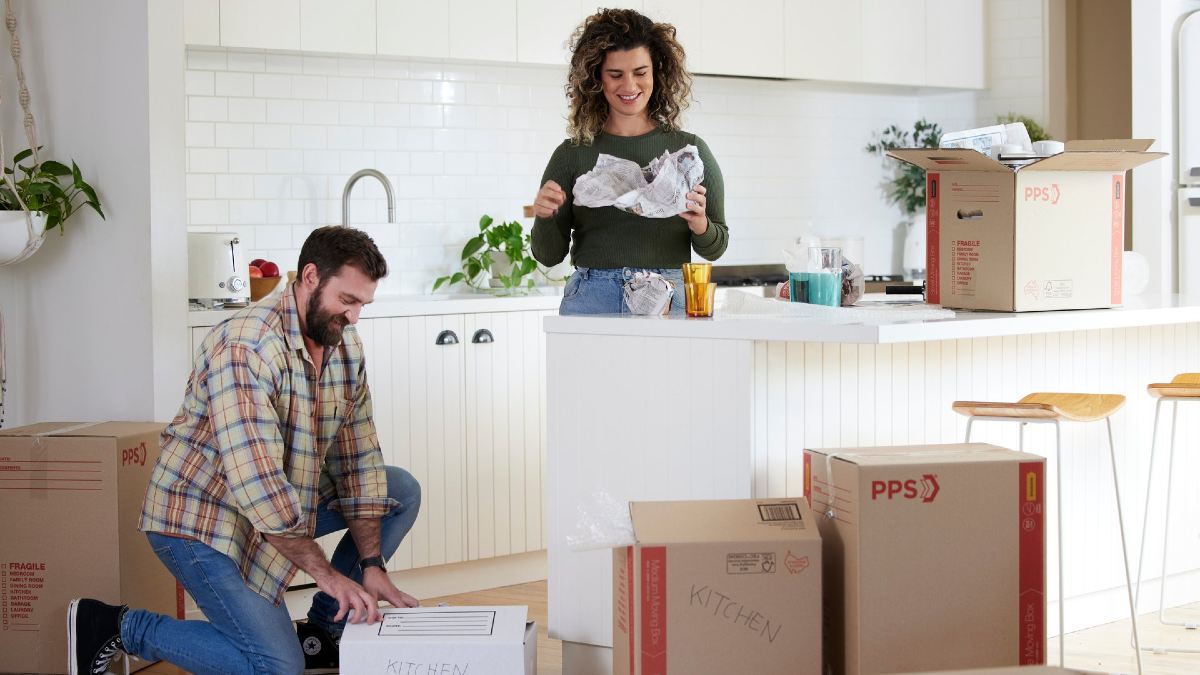
Decluttering ahead of time reduces the packing and moving burden.
Plan your move early
Moving day can quickly become overwhelming if you leave everything until the last minute.
Start decluttering several weeks before your move. Selling, donating or recycling unwanted items can reduce moving costs and make unpacking easier.
Create a checklist that includes:
- booking removalists or a rental truck
- packing room by room
- organising storage if needed
- notifying important organisations of your address change
- preparing an essentials box for your first night.
Labelling boxes clearly can save considerable time when unpacking and help movers place items in the correct rooms.
If you're looking to move house on a budget, you can hire utility vehicles such as vans, utes, trucks and trailers.
More: 10 hacks to take the stress out of moving house
Disconnect and reconnect utilities
Before moving out of your rental property, contact utility providers to disconnect or transfer services, including:
- electricity
- gas
- water
- internet and phone services.
It's also a good idea to record final meter readings at your rental property and take photos for your records.
Arrange connections at your new home before moving day where possible. This can help avoid arriving at your new property without power, hot water or internet access.
Create a maintenance plan
One of the biggest adjustments for former renters is becoming responsible for property maintenance.
Unlike renting, where many repairs are handled by a landlord or property manager, homeowners need to organise and fund maintenance themselves.
Creating a seasonal maintenance checklist can help protect your investment and reduce the risk of costly repairs. Tasks may include:
- cleaning gutters
- checking roofing and flashing
- servicing heating and cooling systems
- testing smoke alarms
- inspecting plumbing for leaks
- maintaining gardens and outdoor areas
- considering and preparing for any location-based risks, such as bushfire zones.
Regular maintenance can help keep your home safe, comfortable and in good condition.
More: Regular house maintenance that can help with home insurance
Update your address
Changing your address is an important task that is often overlooked during a move.
Notify relevant organisations, including:
- your employer
- banks and financial institutions
- insurance providers
- Medicare and health insurers
- health providers
- electoral enrolment authorities
- driver licence and vehicle registration authorities
- subscription services
- schools and childcare providers.
Setting up mail redirection through Australia Post can help ensure important correspondence continues to reach you while organisations update their records.
The information provided is general advice only. Before making any decisions please consider your own circumstances and the Product Disclosure Statement and Target Market Determinations. For copies, visit racv.com.au. As distributor, RACV Insurance Services Pty Ltd AFS Licence No. 230039 receives commission for each policy sold or renewed. Product(s) issued by Insurance Manufacturers of Australia Pty Ltd ABN 93 004 208 084 AFS Licence No. 227678.
RACV Security Pty Ltd ABN 49 079 148 342 trading as RACV Home Security. Security Licence (Vic.) 733-411-10S and Security Registration (Vic.) 733-411-31
RACV Emergency Home Assist is an emergency home service product, separate to insurance, that is provided by Royal Automobile Club of Victoria (RACV) Ltd and not RACV Insurance Services Pty Ltd. It is a fast response service for common plumbing, electrical and locksmith emergencies. Up to 1 hour of labour, including minor parts and materials, is used to repair or make your home safe. Emergency Home Assist does not insure you against the costs of a home emergency and is not a home insurance product. Refer to the RACV Emergency Home Assist Terms and Conditions for more details.
RACV Trades is a trading name of RACV's trade partner, Club Home Response Pty Ltd (Victorian registered domestic building practitioner number CDB-U 100178). All works are performed or arranged by Club Home Response Pty Ltd. trading as RACV Trades. Read the RACV Trades Terms and Conditions