
Are EVs harder to steal? Discover the security features that help protect modern cars, how thieves target vehicles today, and what drivers can do to reduce risk.
Car Security

What not to leave in your car to help prevent theft
Remove, hide or secure these common targets for thieves to help reduce the risk of items being stolen from your vehicle.
Thieves often target items that look quick to grab, easy to sell or useful for another crime. Wallets, phones and laptops are obvious risks, but everyday items such as bags, chargers, documents and access devices can also attract attention.
Victorian drivers are more likely to have items stolen from their car than to have the car stolen outright. According to the Crime Statistics Agency, there were 82,947 offences involving items taken from vehicles in 2025, up 9.58 per cent from 2024. This compares with 32,013 motor vehicle theft offences (up 10.7 per cent from 2024).
Removing valuables and parking in a locked garage or secure driveway can help reduce the risk at home. When parking on the street, in apartment car parks or at shopping centres, choose visible areas and take valuables with you.
What items should you remove from your car?
Think about what your car says to someone looking through the window. A bag on the back seat can suggest there is a wallet inside. A charging cable can suggest a phone or laptop is hidden nearby. A garage remote or document with your address can create a security risk beyond the vehicle itself. The safest approach is to leave the cabin looking empty before you walk away.
Wallets, cash and cards
A wallet, purse or handful of coins is an obvious reason for a thief to take a closer look. Even small amounts of cash can create the impression that there may be more to find in the centre console, glovebox or door pockets. Take cards, cash and loose change with you whenever you leave the vehicle.
Phones, laptops and tablets
Electronics are easy to carry and easy to resell, so remove clues as well as the devices themselves to help prevent someone breaking into your car.
A laptop sleeve, charging cable, headphone case or empty device box may signal that something valuable is stored out of sight. Take phones, laptops, tablets, smartwatches, headphones, cameras and gaming devices with you, and clear away accessories that point to them.
More: How to get mobile phone cover with contents insurance
Bags, backpacks and luggage
Bags are a common grey area because they can look valuable even when they are empty. From outside the car, a gym bag, school bag, shopping bag or suitcase gives no clue about what is inside, which can be enough to attract attention. Take bags with you where possible, or place them out of sight before you leave your car.
More: Handbag insurance: how to help cover your luxury and designer bags
Identity documents and personal paperwork
Some of the most sensitive items in a car are not valuable in the usual sense. Passports, licences, bills, bank statements, medical documents, registration papers and work paperwork can reveal personal details that are difficult to fix once stolen.
Keep documents out of the car, especially anything that includes your name, address, financial details or workplace information.
More: How to keep your passport safe
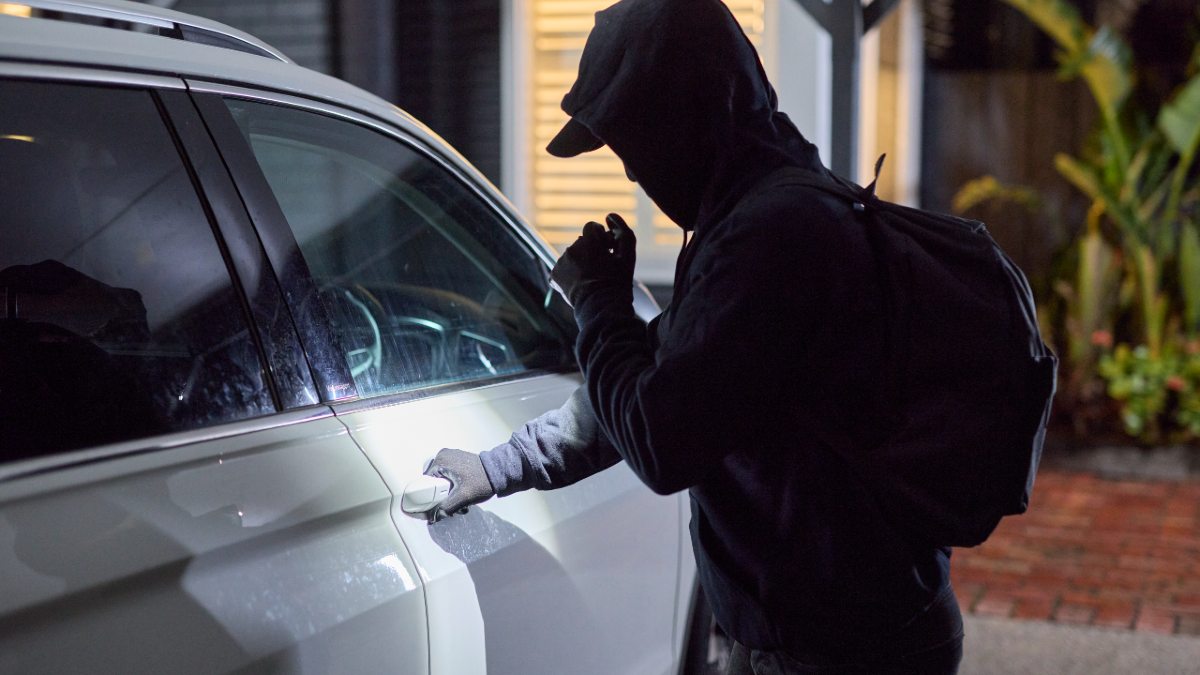
Opportunistic thieves may be more determined to break into your car if they see something of value inside. Image: Getty
Keys and access devices
Keys and access devices can turn a car break-in into a bigger security issue. A spare house key, garage remote, apartment fob or work pass may give a thief a way into another property, particularly if it is stored near documents that show your address.
Keep these items with you rather than in the glovebox or centre console.
More: How to help keep your car and keys safe
Dashcams, GPS units and visible mounts
In these days of inbuilt devices and touchscreens supporting Apple CarPlay or Android Auto, drivers are less likely to use a separate GPS unit. However, owners of older vehicles, drivers who prefer a standalone navigation device, or those who want a backup option may still keep a portable GPS in the car.
If you use a portable GPS, remove it or place it out of sight before you leave the car. The same applies to visible dashcams, mounts, charging leads and suction marks, where practical.
Victoria Police advises that visible devices or mounts can make a vehicle look like an easier target, so clearing these clues can help reduce the chance of a break-in.
More: Dash cam guide: buying, operation, and road rules
Tools and tradie gear
Tool theft can stop a tradie from working. Victoria Police recommend tradies mark their tools with 'V' followed by their driver's licence number (i.e. V123456), as well as recording serial/model numbers, and photographing the tools.
Other anti-theft measures include:
- storing tools in a heavy-duty toolbox that is fixed to the vehicle
- using visible locks
- installing a toolbox alarm or discreet tracker for high-value gear.
A sticker noting that tools are marked or traceable may also make them harder to resell and less attractive to thieves.
More: How to protect tradie tools from theft
Sporting equipment
Sporting equipment can be easy to overlook after a busy weekend game or training session. Families driving children to sport may be focused on getting to a post-game meal, stopping for groceries on the way home or unloading tired kids, which can make it easier to forget to lock the car or clear the back seat and boot.
Try to remove valuable gear as soon as you get home, including bikes, golf clubs, racquets, helmets, boots and bags. Leaving bulky or expensive sporting equipment in the car overnight might feel more convenient, but it can make the vehicle a more tempting target, especially if the gear is visible through the windows or stored on an external rack.
More: How to protect your bike from theft
Medication and prescription items
Medication is easy to forget in a glovebox, handbag or centre console, especially after a trip to the chemist. Heat can affect some medicines, and certain prescription items may be misused if stolen. Keep medication with you or store it securely at home.
More: Five things that can be damaged in a hot or cold car
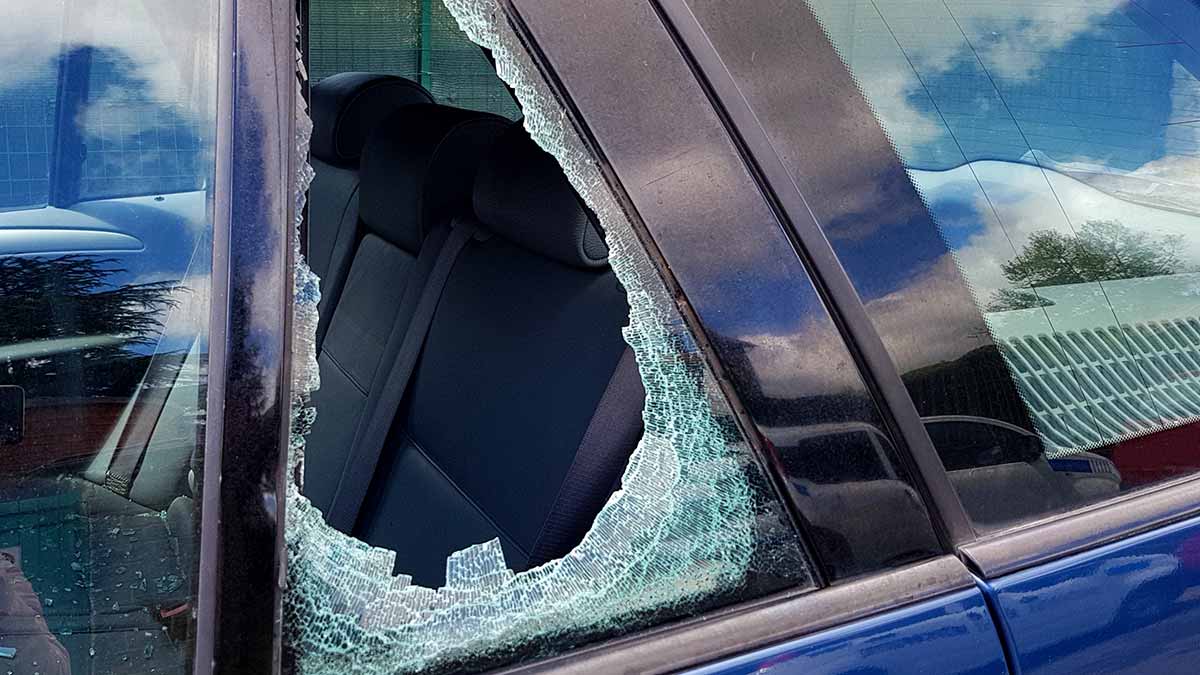
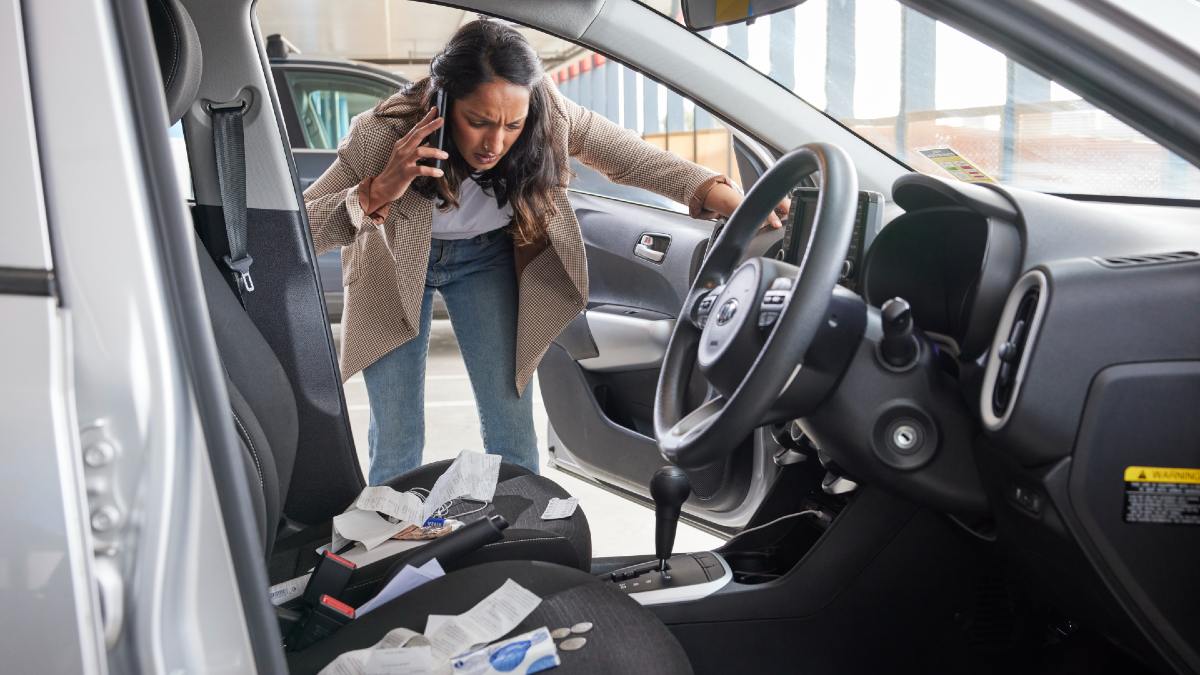
Having your car broken into can be stressful. Knowing what to do next can help.
What do thieves take from car exteriors?
Some targets sit on the outside of the vehicle, such as number plates, wheels, badges and even catalytic converters from older cars.
Number plates
Number plates are a common target because thieves can attach stolen plates to another vehicle and avoid identification. Crime Statistics Agency data shows 32,228 number plates were stolen in the year ending December 2025.
Protect your plates with anti-theft screws or one-way screws. Park in a locked garage or well-lit area where possible, and blur or cover your number plate before posting photos of your car online.
More: How to help protect your car from number plate theft
Catalytic converters
Catalytic converters can be targeted because they contain precious metals and can be removed from underneath a vehicle. Older petrol vehicles and some hybrid models may be more vulnerable, so park in a locked, gated or well-lit area where possible and be alert to a sudden loud exhaust noise or rough running.
More: Eight unusual items thieves want to steal from you
Wheels, tyres and rims
Wheels, tyres and rims can be removed and resold, especially high-value or aftermarket rims and specialist tyres. Use locking wheel nuts where appropriate, keep the locking nut key out of sight, and avoid leaving the vehicle parked for long periods in isolated areas.
More: The best tyres for electric cars (and what makes EV tyres different)
Side mirrors and exterior parts
Side mirrors and other exterior parts can be costly to replace, particularly on newer vehicles with built-in cameras, sensors, heating or auto-dimming features. Choose visible, well-lit parking where possible, fold mirrors if not automatic, and check for signs of tampering before driving away.
More: Best car safety features and systems in modern cars
Roof racks, tow bars and cargo boxes
Secure roof racks, tow bars and accessories and external storage equipment. Use locking wheel nuts and secure fittings, and remove detachable accessories when they are not in use.
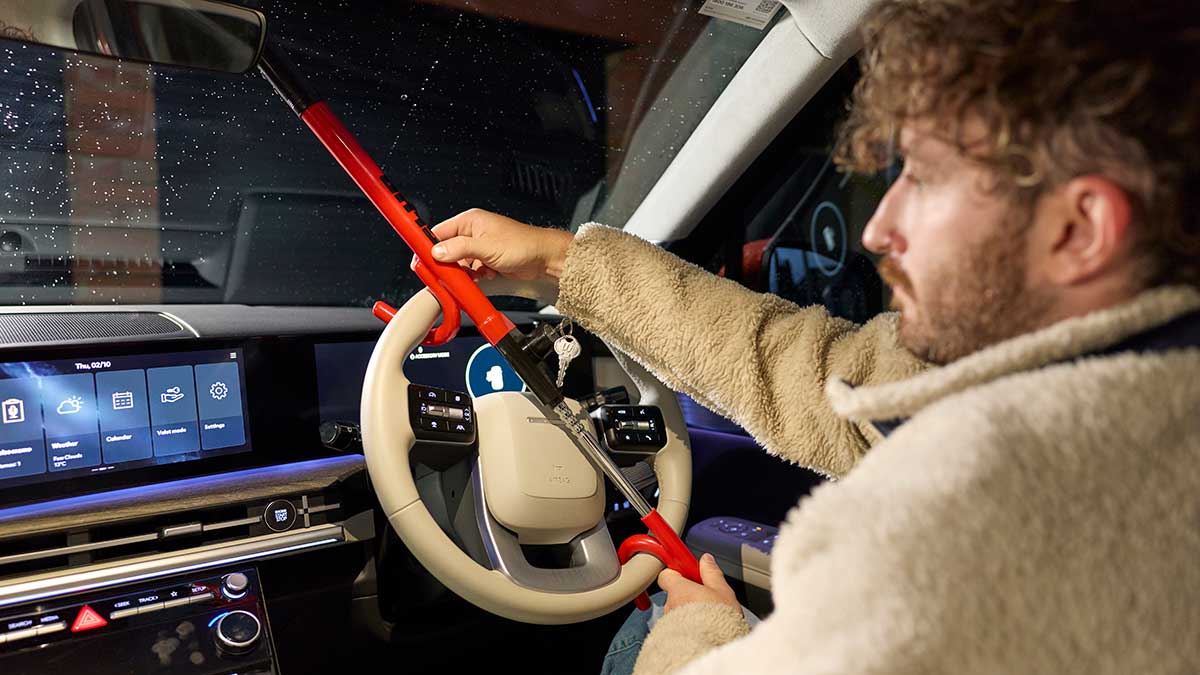
Steering wheel locks are good security measures for both newer and older cars. Image: Getty
How can you reduce the risk of items being stolen from your car?
Use this quick check before you walk away from the car.
- Lock your car every time you leave it, even at home or for a short stop.
- Close all windows, the sunroof and the boot.
- Park in a locked garage, behind a gate or in a well-lit, visible area where possible.
- Secure number plates with anti-theft screws.
What should you do if something is stolen from your car?
If your car has been broken into, report the incident to Victoria Police through their Online Reporting service or call the Police Assistance Line on 131 444.
You may also need to contact your insurer, depending on what was damaged or stolen.
If your number plates are stolen, report the theft and arrange replacement plates through VicRoads. Your insurer, roadside assistance provider and toll accounts will need to know your new registration details.
If a crime is in progress, the suspect is still on scene, or if anyone is injured or in immediate danger, call Triple Zero (000).
More: How to improve the security of your driveway or carport
At home, park in a locked garage if you can. If not, look at ways to better secure your carport or driveway.
FAQs: What not to leave in your car
Use the boot as a short-term option only. Place items in the boot before you arrive so nobody can see you moving them after you park.
Keep any documents relating to registration, sales and ownership, or car maintenance out of the car when they include your home address, full name, financial details or other personal information. The owner's manual and service records that have no personal identification can be left in the vehicle.
Thieves steal number plates so they can attach them to another vehicle and avoid detection when committing offences such as fuel theft, toll evasion or other crimes. Anti-theft screws can make plates harder to remove quickly.
Remove visible temptation and make the vehicle harder to access, either by parking in a locked garage or behind locked gates. Even if your car is on your property, you should still lock it, close all the windows, and take valuables with you. Secure your keys at home to prevent relay theft, which is when a device is used to pick up a signal from a key fob inside your house.
More: How to prevent car theft and protect your car
Cover for personal items stolen from your vehicle is conditional, cover is also dependant on your level of car insurance, and it is subject to policy limits. For full details on what is and isn’t covered by RACV Car Insurance, see the Product Disclosure Statement.
The information provided is general advice only. Before making any decisions please consider your own circumstances and the Product Disclosure Statement and Target Market Determinations. For copies, visit racv.com.au. As distributor, RACV Insurance Services Pty Ltd AFS Licence No. 230039 receives commission for each policy sold or renewed. Product(s) issued by Insurance Manufacturers of Australia Pty Ltd ABN 93 004 208 084 AFS Licence No. 227678.

