
The all-new Honda Avancier large SUV is coming to Australia early in 2027, debuting new hybrid tech in a luxurious three-row package that takes aim at the Hyundai Santa Fe and BYD Sealion 8.
Car Safety
What do if your car is damaged while parked and how to help stop it occurring
Finding your parked car damaged can be stressful, especially if the other driver hasn't left their details. Here's what to do next, from gathering evidence to making an insurance claim and knowing when to contact police.
Damage to your car can happen anywhere, including when parked. According to Insurance Manufacturers of Australia (IMA) data, claims for damage whilst parked are a common type of motor insurance claim lodged.
During the 2025-2026 financial year, there were 129,337 RACV Motor Insurance claims were lodged. Of those, 14,470 of which - or 11 per cent - were for ‘damage whilst parked’.
The data also reveals which postcodes had the most claims for damaged whilst parked. Postcode 3029 – which includes the suburbs of Hoppers Crossing, Tarneit and Truganina in Melbourne’s west – topped the list with 250 claims listed as damaged whilst parked between July 1, 2025 and June 30, 2026.
| Postcode | ||
|---|---|---|
|
3029 |
Hoppers Crossing, Tarneit and Truganina |
250 |
|
3350 |
Ballarat and surrounding suburbs |
201 |
|
3030 |
Point Cook, Werribee and Werribee South |
197 |
|
3216 |
Belmont, Highton, Waurn Ponds, Grovedale and Wandana Heights |
193 |
|
3550 |
Bendigo and surrounding suburbs |
180 |
Table shows the top five Victorian postcodes with the highest number of motor insurance claims lodged with ‘damage whilst parked’ listed as the cause of loss. Source: IMA
Someone hit my parked car and left: what should I do?
The driver has not left their details
There are a few things you can do if you return to your parked vehicle to find it damaged and no details have been provided.
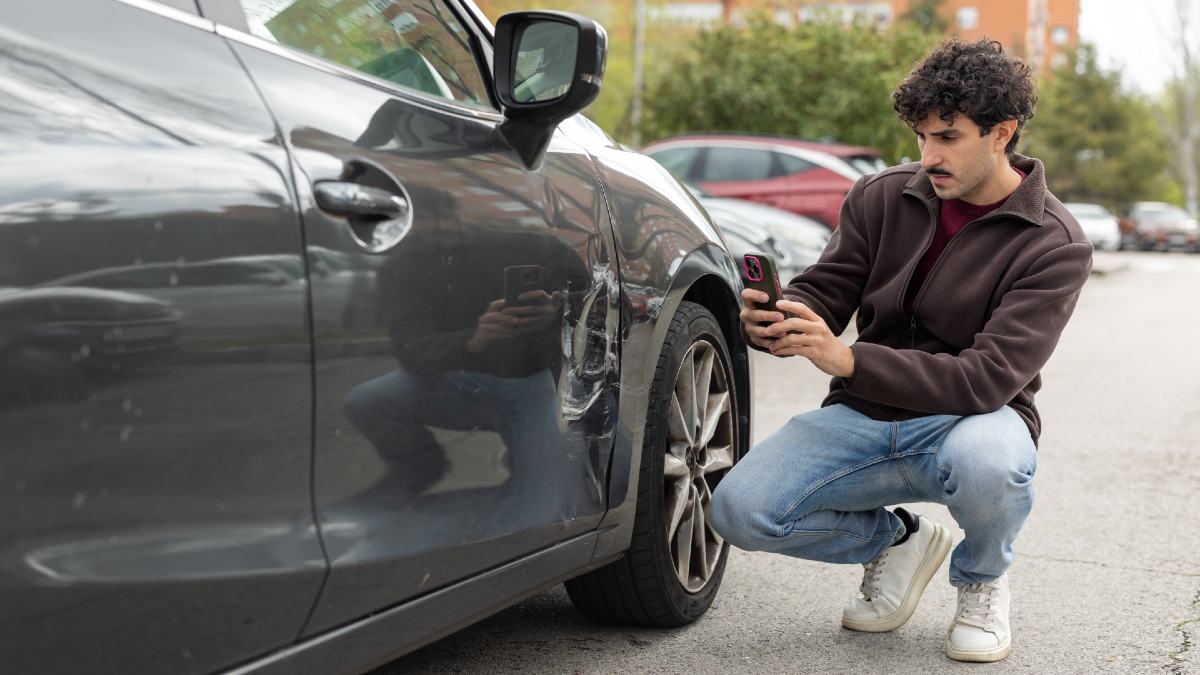
- Check if your vehicle is safe to enter and use. Document all damage immediately.
- Look for potential witnesses. This could include staff in nearby businesses or other motorists.
- Check for video evidence. This could come from your vehicle's dashcam, another motorist's dashcam or even CCTV footage from surrounding shops or businesses.
- Consider reporting the incident to the police if there is serious damage or it is a hit-and-run. Take note of the police report number.
- Contact your motor insurance provider to start the claims process.
Remember, it is illegal for motorists to not provide their details after damaging another vehicle in Victoria.
The driver has left their details
If the other driver has provided their details then you can use this information to lodge a claim with your motor insurance provider.
You should still document all damage to your vehicle and check for video footage of the incident before leaving the scene.
Depending on the make and model of your vehicle, it might also be equipped with eCall functionality. This means that an emergency response centre is automatically notified in the event of a crash. This can alert an operator to contact you and provide assistance.
When it comes to repairing your vehicle, you may be able to fix small scratches yourself. Anything beyond minor scratches to paintwork should be handled by professional panel beaters.
What to do if you damage another vehicle while parking
If anyone is trapped or injured first call Triple 000. Otherwise, park your vehicle if safe to do so without further damaging the vehicle.
If the car is occupied, calmly exchange your details with the other party. This should include your:
- name
- address
- phone number
- car registration
- insurance details
If the car is unoccupied, leave a note with your contact details and car registration. Fasten the note securely to the car by placing it under a windscreen wiper and photograph the secured note for your records.
Finally, contact your car insurer to let them know of the incident.
Can a dash cam help if my car is damaged while parked?
Dashboard cameras, also known as dash cams, are now commonplace in Australian vehicles. These cameras are securely mounted to the dashboard or windshield and continuously record while the car is in motion.
Certain dash cam models can also record while your vehicle is parked or have the ability to begin recording should the device sense damage to the vehicle. Typically, dash cam footage can be submitted to an insurer as part of a claim.
Some vehicles from manufacturers such as BMW, Mercedes-Benz and Tesla also come with built-in dash cams or similar recording functions.
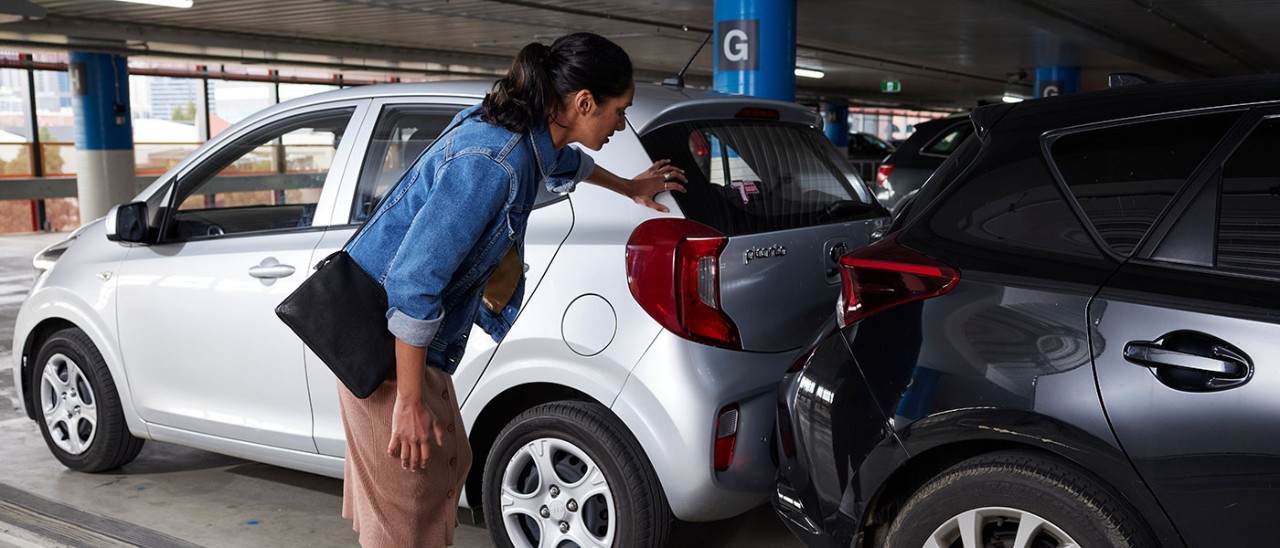
If your car has been hit while parked, it’s important to inspect it and document all damage. Image: Getty
Tips for avoiding damage to your car and to other vehicles when parking
RACV Driver Education and Development Manager Silvia Morris shares these tips to help reduce the risk of damage to your vehicle when parking or while it’s parked.
Move slowly when parking, being sure to continuously check your surroundings. Make any adjustments slowly. Consider potential hazards, such as falling tree branches , that can damage your car and windscreen. This is especially important in windy or stormy weather.
Smart safety features and parking aids like reversing cameras and sensors are handy but shouldn’t be solely relied on. Always check for hazards in your mirrors as well as checking over both shoulders for your blind spots.
Opting for a parking spot in a less crowded location where possible can help minimise damage from third parties. You may have to walk slightly further to your destination, but it can reduce the chance of other vehicles or objects (such as shopping trolleys) from damaging your car.
In marked parking spaces, make sure you park your vehicle within the marked boundaries. Ensure there is enough space to open doors without damaging other vehicles or objects.
When parking on the street, tucking in your wing mirrors can help avoid damage from passing vehicles. Some cars have an automatic function for this, while other cars require that you manually tuck in the mirrors. Remember to flip them out again and adjust them correctly before driving off again.
Take a moment to double check you have parked safely and legally before leaving your vehicle. Avoid parking on bends and ensure you have parked an adequate distance from intersections, crossings and other vehicles. The minimum required distances can vary – visit the VicRoads website for more information.
There are many personal items you should never leave in your car, including your valuables. Leaving items such as laptops, phones, or wallets in your car can tempt opportunistic thieves who may not only steal your items, but damage your car in the process.
Where practical, consider reversing into 90 degree angle parking spaces rather than driving in forwards. Reversing in allows you to exit the parking spot by driving forwards, which can provide better visibility and help reduce the risk of colliding with a pedestrian, vehicle or other object.
Frequently Asked Questions
The information provided is general advice only. Before making any decisions please consider your own circumstances and the Product Disclosure Statement and Target Market Determinations. For copies, visit racv.com.au. As distributor, RACV Insurance Services Pty Ltd AFS Licence No. 230039 receives commission for each policy sold or renewed. Product issued by Insurance Manufacturers of Australia Pty Ltd ABN 93 004 208 084 AFS Licence No. 227678.

