
Hire a car with confidence on your next Australian or international holiday with these tips on how to choose the right vehicle, save money and avoid common pitfalls.
Road Trip



Travel insurance and car rental: what you need to know
Learn how travel insurance may help when hiring a rental car, including rental vehicle excess cover, exclusions, overseas driving tips and what to check before you drive.
Hiring a car is one of the best ways to explore your destination, whether you're driving the Great Ocean Road, cruising New Zealand's South Island or taking a road trip through Europe or the United States. But before you collect the keys, it's important to understand what protection you have if something goes wrong.
Many travellers assume their travel insurance automatically covers rental car damage or that the rental company's insurance offers complete protection. In reality, the type and level of cover can vary significantly depending on your travel insurance policy, your rental agreement and any optional extras you purchase.
Here's what you need to know about travel insurance and hiring a rental car before you hit the road.
RACV Members save on car hire in Australia and overseas.
More: Car rental tips for Australian and international holidays
Does travel insurance cover rental cars?
Travel insurance can help protect you when hiring a rental car, but it doesn't usually replace the rental company's own insurance.
Many travel insurance policies include cover for the rental vehicle insurance excess. This means if your hire car is stolen or damaged and you may be required to pay an excess to the rental company, your travel insurer may reimburse some or all of that cost, up to the policy limit and subject to the policy's terms and conditions.
This can potentially save you from paying for the rental company's expensive excess reduction options, although it's important to compare the benefits, limits and exclusions before deciding.
Eligible RACV Travel Insurance policies may also cover the costs of repair following accidental damage to windscreens and tyres, where you are responsible for those costs under the terms of your rental vehicle agreement - or reimbursement of the rental car excess.
Always check your Product Disclosure Statement (PDS) to understand exactly what's covered.
What is rental vehicle excess?
When you hire a car, the rental company typically includes basic insurance as part of the rental agreement. However, if the vehicle is damaged, stolen or involved in an accident, you'll usually have to pay an excess before the insurer covers the remaining repair or replacement costs.
Depending on the destination, rental company and vehicle, this excess can range from a few hundred dollars to several thousand dollars.
For example, if your rental agreement includes a $4,000 excess and the vehicle is damaged in a collision, you may need to pay that amount upfront. If your travel insurance includes a rental vehicle excess benefit and your claim is accepted, your insurer may reimburse you for the eligible excess, up to your policy limit.
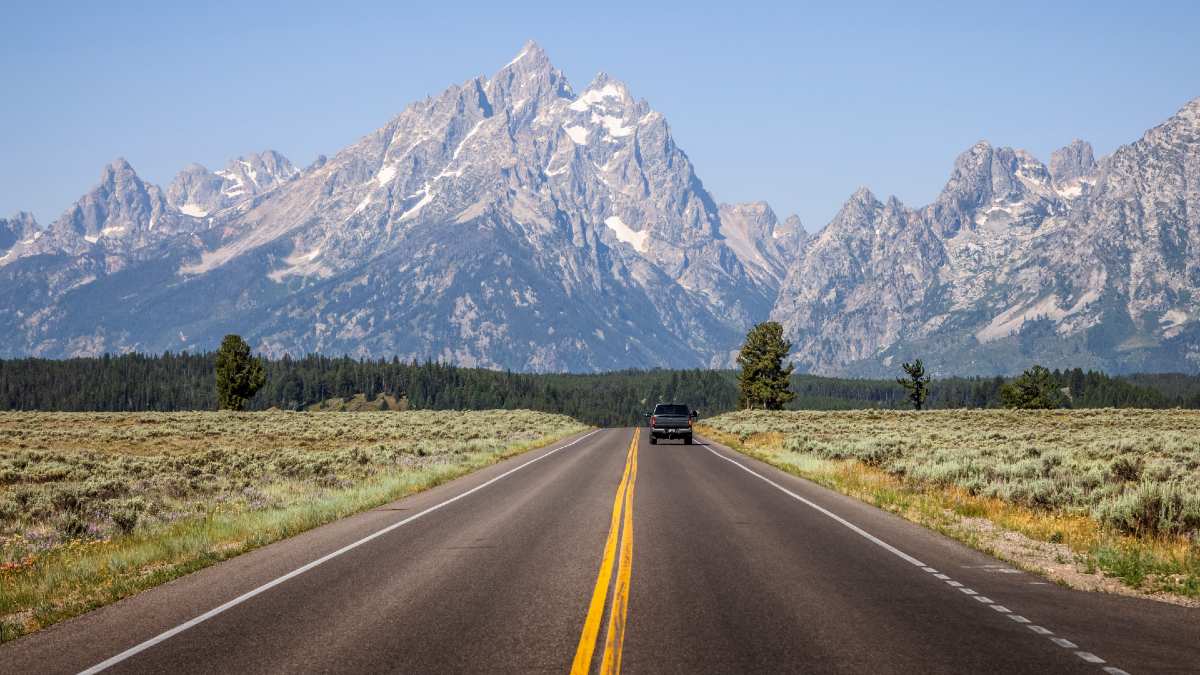
America's vast size, wide-open highways, and diverse landscapes make driving one of the most popular ways to travel. Image: Getty
What rental car costs may not be covered?
Travel insurance is designed to cover specific insured events rather than every expense associated with hiring a vehicle.
Depending on your policy, travel insurance generally won't cover:
- damage caused by reckless or illegal driving
- driving under the influence of alcohol or drugs
- breaching the rental agreement, such as allowing an unauthorised driver to use the vehicle
- additional rental charges, fines or penalties
- damage caused while driving on prohibited roads or off-road
- loss or damage not covered by the rental company's insurance
- any costs you become liable for in the rental vehicle agreement does not include insurance with an applicable excess.
Every policy is different, so carefully read the exclusions before travelling.
Do you still need the rental company's insurance?
The rental company's hire car insurance and your travel insurance serve different purposes.
Rental companies generally require their insurance arrangements to remain in place because they own the vehicle. They may also offer options to reduce or eliminate your excess if the vehicle is damaged. Whether you purchase these optional extras depends on your personal circumstances, risk tolerance, and what your travel insurance covers.
Before declining any optional insurance at the rental counter, compare:
- all excess amounts (there may be multiple excesses to consider: remote excess, under-25 excess, standard excess, etc.)
- the maximum rental vehicle excess benefit available under your travel insurance
- any exclusions that may apply
- whether you would be comfortable paying the excess upfront and claiming it back later.
Note that travel insurance may not cover luggage and items left in rental cars.
What should you check before hiring a rental car?
Taking a few minutes to inspect the vehicle and review the rental agreement can help avoid disputes later.
Before leaving the depot:
- photograph and video the entire vehicle, including the roof, wheels and interior
- report every scratch, dent or chip to staff before driving away
- check fuel and charging requirements if hiring an electric vehicle (EV)
- understand local road rules and driving laws
- confirm who is authorised to drive the vehicle
- keep copies of the rental agreement and inspection report.
If you're involved in an accident, notify both the rental company and your travel insurer as soon as possible and keep all supporting documentation.
RACV Members save on car hire in Australia and overseas.
Does travel insurance cover rental cars in Australia?
If you're hiring a car for a holiday within Australia, check whether your domestic travel insurance includes rental vehicle excess before relying on it. Some domestic travel insurance policies include rental vehicle excess cover for trips within Australia, while others don't.
RACV offers a Rental Car Excess plan for your next Aussie road trip in a hire car, with rental car excess options from $1,000 up to $8,000 per policy.#
Alternatively, taking out an RACV Domestic Travel Insurance policy can cover rental car excess up to $5,000 per policy, plus other benefits such as cancellation fees and lost deposits, lost or stolen luggage, emergency expenses up to $35,000, and more.#
More: Do you need travel insurance for domestic travel in Australia?
What if you're hiring an electric vehicle?
Electric vehicle (EV) rentals are becoming increasingly common around the world, but they may come with additional considerations.
Before hiring an EV:
- check how and where you'll recharge it
- understand any charging fees or return requirements
- confirm whether battery, charging cable or charging equipment damage is treated differently under the rental agreement
- familiarise yourself with the vehicle's driving range before setting off on longer journeys.
The same rental vehicle excess principles generally apply, but it's worth reading the rental agreement carefully to understand any EV-specific conditions.
More: EV road safety essentials - what every driver needs to know
You may need an International Driving Permit (IDP) to drive overseas in certain destinations.
Driving overseas? Don't forget these essentials
Insurance is only one part of preparing to drive overseas.
Before you travel, make sure you:
- hold a valid Australian driver's licence
- obtain an International Driving Permit (IDP) if your destination requires one
- understand local road rules, speed limits and parking regulations
- know whether you'll be driving on the left or right side of the road
- save emergency contact numbers and your insurer's emergency assistance details.
Planning ahead can help make hiring a car overseas simpler and reduce the risk of unexpected costs.
More: Driving overseas for Australians - licences, IDP, insurance & road rules
Travel insurance and rental cars FAQs
Many comprehensive travel insurance policies cover the rental vehicle insurance excess rather than the full cost of repairing the vehicle. Always check your policy's limits, exclusions and eligibility requirements.
You may choose to decline optional excess reduction products if you're comfortable relying on your travel insurance, but first compare the rental company's excess with your policy's rental vehicle excess benefit and understand any exclusions.
If the driver isn't authorised under the rental agreement, the rental company's insurance may not apply. This could also affect your travel insurance claim.
It depends on the destination, the rental company's excess, the cost of optional insurance and your travel insurance benefits. Comparing these before you travel can help you decide which option offers the best value and peace of mind.
If more than one person will drive the rental car, make sure every driver is listed and authorised under the rental agreement. Rental companies may or may not charge an additional driver fee. Allowing someone who isn't an authorised driver to use the vehicle could breach the rental agreement and affect the rental company's insurance, as well as your eligibility to make a travel insurance claim.
Yes. Rental car companies often have minimum age requirements, which can vary by country, provider and vehicle type. Younger drivers – commonly those under 25 – may also need to pay a young driver surcharge or may be restricted from hiring certain vehicles. You must meet the conditions of your rental agreement for relevant travel insurance cover to apply. There may even be a maximum age for drivers, so check with rental car company before you set off.
*RACV Travel Insurance Member discount applies to the premium only (not applicable taxes).
# These limits are per policy. Terms, conditions (including eligibility criteria), limits, sub-limits and exclusions apply. Refer to the combined PDS/FSG for full details.
The Australian Automobile Association (AAA) is the only authorised body to sell International Driving Permits in Australia. RACV is an authorised sales agent of the AAA. Terms and Conditions apply.
Royal Automobile Club of Victoria (RACV) Limited (ABN 44 004 060 833, AR No. 1243563) (RACV) is an authorised representative of the RACV Travel Insurance insurer Tokio Marine & Nichido Fire Insurance Co., Ltd. (ABN 80 000 438 291 AFSL 246 548) (Tokio Marine). Tokio Marine Management (Australasia) Pty Ltd (ABN 69 001 488 455, AR No. 1313066) is an authorised representative of Tokio Marine, and administers RACV Travel Insurance as the managing agent on behalf of Tokio Marine.
Terms, conditions (including eligibility criteria), exclusions, limits and sub-limits apply. Any advice is general advice only, and does not take into account your specific objectives, financial situation or needs. Before you purchase, please consider the Combined Product Disclosure Statement (PDS) / Financial Services Guide (FSG) and Target Market Determinations (TMDs) available on RACV’s website, or on request from RACV.

