
From cutting-edge cars and the infectious beats of K-pop to captivating K-dramas and delectable cuisine, South Korean phenomena are making waves in Melbourne, Australia, and beyond.
International
South Korea travel guide and safety advice
Planning your South Korean holiday? This comprehensive guide covers what Australians need to know, from visa requirements and healthcare advice to safety and travel tips.
South Korea combines cutting-edge technology with centuries of history, making it an easy destination for first-time visitors and seasoned travellers alike. It's becoming an increasingly popular destination for Australian travellers.
But before you pack your bags, it's worth understanding the country's entry requirements, local laws, transport system and safety tips to help your holiday run smoothly. Knowing the local customs, entry requirements, health advice and safety basics before you go will help make your South Korean holiday smoother, safer and more relaxing from start to finish.
Whether you're visiting for a few days or several weeks, here's what you need to know before travelling to South Korea.
RACV Travel & Experiences is your one-stop shop for travel, with RACV Members saving on tours, cruises holiday packages and more.
More: Melbourne hotspots for South Korean K-culture and food
Do Australians need a visa for South Korea?
Australian passport holders can generally visit South Korea for up to 90 days for tourism without a visa. Australians are also temporarily exempt from applying for a Korea Electronic Travel Authorisation (K-ETA) until 31 December 2026.
However, travellers are now required to complete South Korea's free electronic arrival card (e-Arrival Card) online within 72 hours before arriving - unless they already hold a valid K-ETA. Only use the official government website, as unofficial websites may charge unnecessary fees.
Your passport should have at least six months' validity remaining, and immigration officials may ask for proof of onward travel and accommodation.
If you're planning to work, study or stay longer than 90 days, you'll need to obtain the appropriate visa before travelling.
More: How to keep your passport safe when travelling overseas
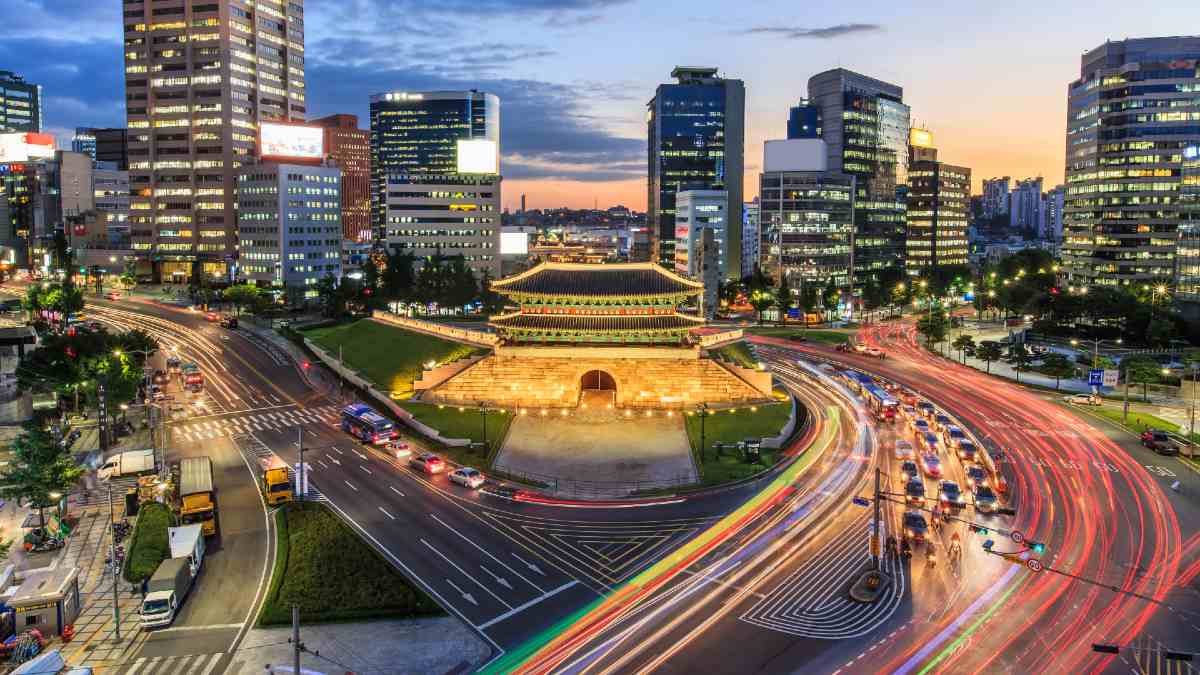
Seoul is the vibrant capital of South Korea. Image: Getty
South Korea airports and entry points
Australians typically fly direct from Sydney, Brisbane, or (depending on seasonal availability) Melbourne. The flight time takes between 9.5 and 11.5 hours, depending on your departure city.
Most international visitors arrive via Incheon International Airport (ICN) near Seoul, consistently ranked among the world's best airports for its facilities, transport connections and efficiency. After clearing immigration and customs, you'll find ATMs, currency exchange counters, luggage storage, SIM card providers and convenient transport options including the Airport Railroad Express (AREX), buses and taxis.
Other international gateways include Gimhae International Airport (PUS) in Busan and Jeju International Airport (CJU) for domestic and regional flights.
South Korea currency: credit cards versus cash
South Korea's currency is the South Korean won (KRW).
Credit and debit cards are widely accepted throughout the country, even for relatively small purchases. Visa and Mastercard are accepted almost everywhere, although some smaller businesses may not accept American Express.
It's still worth carrying a small amount of cash for traditional markets, street food vendors or rural areas.
ATMs are common, but not every machine accepts overseas cards. Look for ATMs displaying "Global ATM" or international payment logos.
Tipping is not expected or required. Attempting to tip may even cause confusion.
South Korea's currency is the South Korean won (KRW). Image: Getty
Should you buy a SIM card, eSIM or international roaming for South Korea?
Having mobile data makes navigating South Korea significantly easier. Travellers can choose between:
- Buying a local prepaid SIM card at the airport from major telecom providers like SK Telecom (SKT), Korea Telecom (KT) or LG U+. SKT is generally the fastest and most expansive network in South Korea.
- Purchasing an eSIM before departure, if your phone supports it, via providers like Airalo, Saily or AloSIM.
- Using international roaming from your Australian provider, such as Telstra, Optus, Vodafone, Amaysim or felix mobile.
Local providers generally offer excellent nationwide coverage and fast 4G/LTE and 5G coverage, making SIM cards or eSIMs the most economical option for most visitors.
What power outlets does South Korea use?
South Korea uses Type C and Type F (most common) power outlets, operating at 220V with a frequency of 60Hz. You will likely need a travel adapter to plug in devices from Australia.
More: How to keep your smartphone safe when travelling
Useful apps to download for South Korea
South Korea has its own digital ecosystem, and several local apps work better than international alternatives.
Before you travel, consider downloading:
- Naver Map or KakaoMap for navigation - for driving, walking, public transportation directions, as Google Maps does not work in South Korea
- Papago - for high-quality Korean-English translations
- Kakao T - for booking taxis
- your airline's app - for flight updates
- your travel insurer's app, e.g. RACV App - for assistance if needed.
Emergency contacts in South Korea
If something goes wrong during your trip, these numbers are worth saving before departure:
- Police - 112
- Fire and ambulance - 119
- Tourist helpline - 1330 (English-language assistance available)
- Australian Embassy in Seoul - +61 2 6261 3305 if you have significant concern for your welfare or that of another Australian; make appointments online for passport replacement if your passport is lost or stolen.
Download important apps like Naver Map and Papago before you land in Korea. Image: Getty
Driving in South Korea
Hiring a car can be useful for exploring regional areas, but isn't usually necessary in major cities thanks to South Korea's outstanding public transport.
Australians planning to drive should carry:
- a valid Australian driver's licence.
- an International Driving Permit (IDP). RACV is Victoria’s only authorised provider of IDPs.
Road signs increasingly include English, but navigation apps remain essential.
Drivers should be aware that:
- vehicles drive on the right-hand side of the road
- seatbelts are compulsory
- speed cameras are prolific across the country
- mobile phone use while driving is prohibited unless using a hands-free system
- drink-driving laws are strictly enforced, with very low legal alcohol limits
- turning right is usually permitted on red, but you must yield to cross-traffic
- unprotected left turns require a dedicated green arrow or circular green light
- parking regulations are closely monitored, particularly in larger cities.
Drivers should understand that local drivers can be fast and assertive, often speeding outside of speed camera zones, abruptly braking near speed cameras, and using their horns at vehicles that fail to take off immediately when the light goes green.
South Korean drivers also often use their hazard lights to indicate they are about to do something (such as quickly merge or pull off the road to park) - it does not necessarily mean that they need help.
RACV Members save on car hire in South Korea.
More: Driving overseas guide: licences, International Driving Permit, insurance and road rules
Public transport in South Korea
South Korea has an efficient, affordable and well-connected public transport system, especially in major cities such as Seoul, Busan, Daegu and Incheon. Travellers can use subways, buses, taxis and high-speed trains to get around without needing to drive.
Public transport cards
Many public transport options require you to have a rechargeable transport card such as a Tmoney card. You can generally purchase these from a convenience store or subway station machine.
These cards can be used on most subways, buses and some taxis, and can usually be topped up with cash at stations or convenience stores.
Subway
South Korea’s subway systems are clean, frequent and easy to navigate, with many signs and announcements in English. Simply tap your transport card when entering and exiting the station. Download Naver Map or KakaoMap for routes, platform information and travel times.
Buses
Local buses are useful for reaching areas not covered by subway lines. Tap on when boarding and tap off when exiting. Express and intercity buses connect cities and regional areas, with tickets available online, at terminals or via ticket machines.
High-speed trains (KTX)
For longer distances, South Korea's KTX high-speed trains connect major cities such as Seoul, Busan, Daejeon and Daegu. Tickets can be booked in advance online, at stations or through rail apps, especially during weekends and public holidays.
Taxis
Taxis are widely available and relatively affordable. Use the Kakao T app to book rides, or hail a taxi from the street or taxi rank. Not all drivers speak English, so it helps to have your destination written in Korean or saved in a map app.
Driving shouldn't be necessary in major cities like Seoul thanks to public transport. Image: Getty
Is South Korea safe to travel?
Before travelling, check the latest Australian Government travel advice website Smartraveller and monitor local weather forecasts.
Crime and personal safety
South Korea is generally considered one of Asia's safest destinations, with relatively low rates of violent crime. Nevertheless, common travel precautions still apply:
- keep valuables secure in busy shopping districts and transport hubs
- be cautious of scams targeting tourists, particularly around nightlife areas
- stay aware of your surroundings after dark
- follow local emergency instructions if severe weather occurs.
Note that South Korea and North Korea are still technically at war. Consider downloading the South Korean Government's Emergency Ready app to receive emergency messages in English if tensions suddenly increase.
More: Common travel scams and how to avoid them
Weather and outdoor safety
High levels of pollution can occur, particularly between March and May, with the possibility to cause eye, nose, mouth, and throat irritations. Get medical advice if you have heart or breathing problems.
South Korea's rainy season is from June to August, when heavy rainfall and typhoons can occur and cause flooding or landslides. Follow the advice of local authorities and memorise the word 대피소, which means 'shelter'.
Tsunamis caused by earthquakes are not unheard of in South Korea. Know the warning signs and move to high ground straight away.
South Korea local laws and cultural etiquette
South Korea is considered a safe destination, but travellers should respect local customs and laws.
Alcohol
The legal drinking age is 19 in South Korea - not 18 like in Australia. Public drinking is generally legal unless prohibited in specific areas, but disorderly behaviour while intoxicated can still lead to fines or arrest.
Drink driving carries severe penalties, with one of the world's lowest legal blood alcohol limits (0.03 per cent), and police conduct regular roadside breath tests.
Smoking
Smoking is prohibited in many public places, including some streets, parks and transport areas. Designated smoking zones are clearly marked.
Medication
Australian prescriptions cannot be issued overseas, and not all medicine you take in Australia is available in other countries.
If you're travelling with prescription medication, keep it in its original packaging and carry a copy of your prescription or a letter from your doctor, particularly if the medicine contains controlled substances.
Some medications that are legal in Australia may be restricted or require prior approval in South Korea, including certain ADHD medications, sleeping tablets and strong painkillers. Check South Korea's Ministry of Food and Drug Safety requirements before travelling.
Illicit drugs
Drug laws are extremely strict in South Korea. Possessing, using or importing illegal drugs can result in severe penalties, including imprisonment. These laws may also apply to substances legally prescribed or consumed overseas. Always check medication requirements before travelling and carry prescriptions for any medicines you bring.
COVID-19
South Korea has lifted its COVID-19 entry requirements, with no vaccination certificates or pre-departure testing currently required for most travellers. Wearing a face mask is no longer mandatory in most places, although many locals still wear one when they have a cold as a courtesy to others.
Local customs
South Koreans value politeness and respect, particularly towards older people. Remember to:
- bow slightly in greeting
- use two hands when giving or receiving items such as money
- remove your shoes when entering someone's home, and in some restaurants and accommodations (there will be signs posted)
- speak sparingly and quietly on public transport
- dress modestly when visiting temples.
More: How travel insurance protects you in medical emergencies and natural disasters while overseas
South Korea is generally a very safe country to travel. Image: Getty
Do I need travel insurance for South Korea?
While South Korea is considered a very safe destination, comprehensive travel insurance can provide valuable support if unexpected events such as illness, lost luggage or travel disruptions occur.
Australian Medicare does NOT cover healthcare in South Korea. It's important to consider international travel insurance, which can include:
- overseas medical and evacuation cover in case of emergency
- trip cancellation cover
- sports and activities cover, if you plan to engage in hikes, water activities, vehicle activities or other adventure activities.
Read policy documents carefully to understand what the policy does and does not cover, including exclusions, limits under each section of cover, your obligations, and what to do if you need to make a claim.
More: Countries with reciprocal healthcare agreements when travelling overseas
Luggage, customs and restricted items in South Korea
South Korea has strict customs regulations covering food, medicines, weapons and agricultural products.
Travellers should declare restricted items where required, including large quantities of medication, food products or animal and plant materials. Certain prescription medications may require supporting documentation before entry.
When returning to Australia, remember Australia's strict biosecurity laws. Food, wooden items, plant material and many animal products must be declared to Australian Border Force and biosecurity officers.
More: What happens with lost or stolen luggage at the airport?
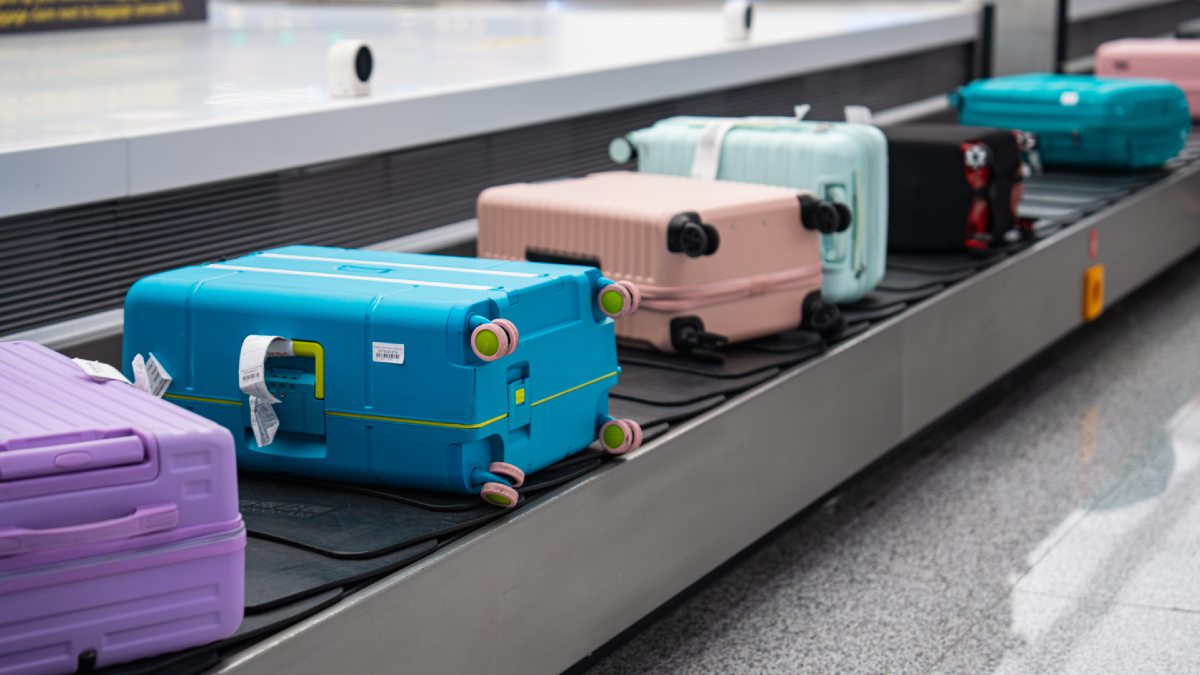
Check South Korean customs laws before entering the country. Image: Getty
Common Korean words and phrases to learn
While English is spoken in many tourist areas, learning a few basic Korean phrases can make travelling easier and is appreciated by locals. Try learning:
- Annyeonghaseyo (안녕하세요) – Hello
- Juseyo (주세요) - Please
- Gamsahamnida (감사합니다) – Thank you
- Joesonghamnida (죄송합니다) – Sorry/Excuse me
- Ne (네) – Yes
- Aniyo (아니요) – No
- Eolmayeyo? (얼마예요?) – How much is it?
- Hwajangsil eodi-yeyo? (화장실 어디예요?) – Where is the toilet?
- Yeong-eo haseyo? (영어 하세요?) – Do you speak English?
- Dowajuseyo (도와주세요) – Please help me
- Annyeonghi gaseyo (안녕히 가세요) – Goodbye
Quick South Korea travel checklist for Australians
- Carry an Australian passport valid for at least six months beyond your departure date.
- Have proof of return or onward travel and your accommodation details handy.
- Consider travel insurance that includes overseas medical cover and medical evacuation.
- Pack any prescription medication in its original packaging, along with a medical certificate. Note that Australian prescriptions cannot be issued overseas. Check South Korea's Ministry of Food and Drug Safety requirements before travelling.
- If you are hiring a car, make sure you have a valid Australian hard copy driver’s licence and International Driving Permit (IDP), which you can get through RACV, Victoria’s only authorised seller. You can either apply online or in person at an RACV store near you.
- Save South Korean emergency numbers and Australian consular contact details before you leave.
Australian passport holders can visit South Korea for up to 90 days without a visa. They are also exempt from a Korea Electronic Travel Authorisation (K-ETA) until 31 December 2026. After that, you should apply for the K-ETA online at least 72 hours before departure.
Tap water in South Korea is generally safe to drink, particularly in major cities such as Seoul and Busan, where water quality is closely monitored. If you have a sensitive stomach, are staying in older accommodation or are travelling in rural areas, bottled or filtered water may be the more comfortable option due to taste or old building pipes.
You can visit the South Korean Demilitarised Zone (DMZ) on official day tours from Seoul. This is the closest you can legally get to the border from South Korea. Be aware that it's illegal to photograph military zones, assets, personnel, and official buildings.
Note that South Korea and North Korea are technically still at war, and tensions on the Korean Peninsula can increase with little warning.
For the nicest weather, it's best to visit South Korea in spring (March-May) or autumn (September-November). It can get very hot in summer and very cold in winter.
Public transit is exceptionally efficient. Except for in rural locations like Jeju Island, you shouldn't need to hire a car. Purchase a T-money card at convenience stores like 7-Eleven or CU to tap on and off subways and buses. For intercity travel, you can book high-speed trains using the Korea Rail Pass.
Royal Automobile Club of Victoria (RACV) Limited (ABN 44 004 060 833, AR No. 1243563) (RACV) is an authorised representative of the RACV Travel Insurance insurer Tokio Marine & Nichido Fire Insurance Co., Ltd. (ABN 80 000 438 291 AFSL 246 548) (Tokio Marine). Tokio Marine Management (Australasia) Pty Ltd (ABN 69 001 488 455, AR No. 1313066) is an authorised representative of Tokio Marine, and administers RACV Travel Insurance as the managing agent on behalf of Tokio Marine.
Terms, conditions (including eligibility criteria), exclusions, limits and sub-limits apply. Any advice is general advice only, and does not take into account your specific objectives, financial situation or needs. Before you purchase, please consider the Combined Product Disclosure Statement (PDS) / Financial Services Guide (FSG) and Target Market Determinations (TMDs) available on RACV’s website, or on request from RACV.
