Thank you for subscribing

You’ll be sent the latest news, exclusive offers and competitions to your inbox.

Maintenance

Spring maintenance checklist: house issues to fix before summer

An older person smiling as they tend to plants in their leafy green garden
RACV

November 05, 2026

Get on top of your household maintenance before summer hits with these must-do home maintenance fixes to carry out in spring. 

Milder spring weather offers a practical window to tackle home maintenance before summer brings higher temperatures and an increased risk of storms and bushfires.

Going beyond a routine clean can help identify wear, damage and safety issues before they become more difficult or expensive to address. From servicing the air conditioner and inspecting the deck to preparing the barbecue and reviewing bushfire readiness, these practical checks can help get your home ready for the warmer months.

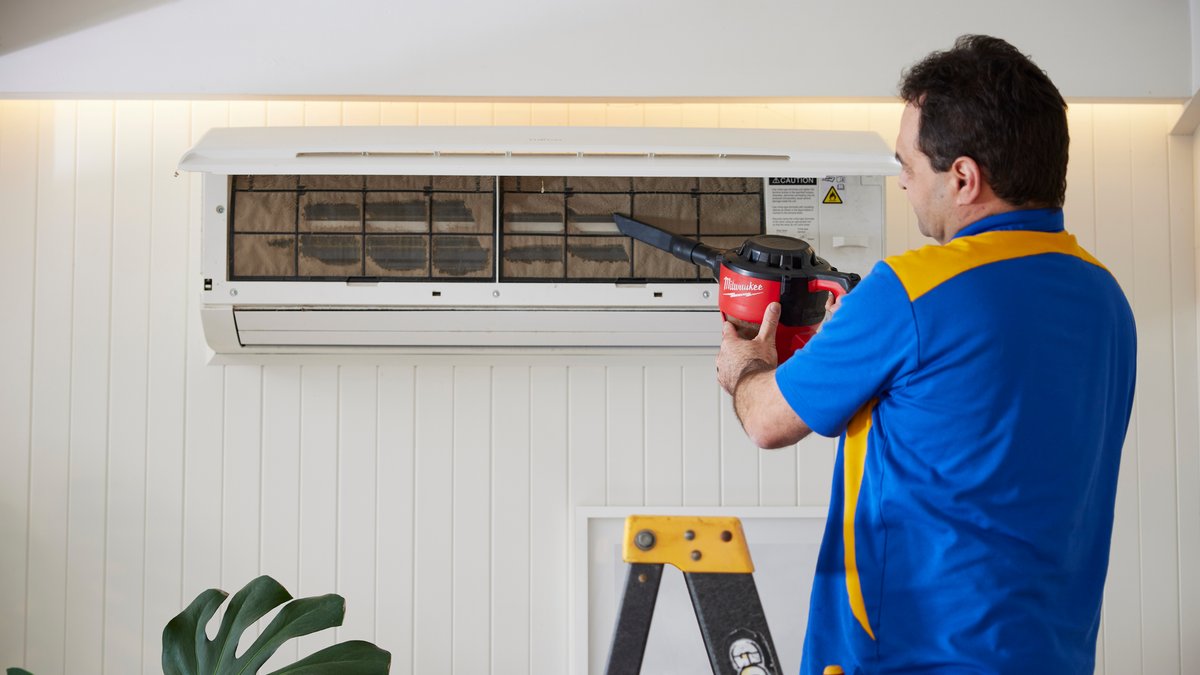
A technician wearing a blue and yellow polo shirt uses a hand-held vacuum to clean an air conditioner filter

Leaving it too long between air conditioner services could mean your cooling system fails when you need it most.

Service your air conditioner

There’s nothing worse than switching on your air conditioner on the first hot day of summer, only to find it isn’t working. It’s a common problem that can often be avoided by booking a service in spring, ideally before December, when demand increases.

Having your air conditioner serviced at least annually not only keeps your home comfortable, but it can also help improve air quality, energy efficiency, and the lifespan of the appliance. 

Always enlist a qualified tradesperson to undertake your air conditioning service.  

Get fire ready

Bushfires can affect communities across Victoria, not only those in regional areas. Spring is a good time to prepare your household and property before bushfire risk increases over summer.

The Country Fire Authority (CFA) recommends taking several steps to get fire ready, including:

  • Preparing your property by clearing gutters, trimming overhanging branches and keeping grass well-trimmed and watered
  • Creating a fire plan
  • Knowing where to get emergency information by downloading the Vic Emergency app and creating a watch zone.

For more information visit Get Fire Ready on the CFA website. For more detailed advice, visit the CFA website or read RACV's full guide to getting bushfire ready.

Renovating? Don't start until you know this | RACV


Maintain your deck

Decks are perfect for entertaining in the summer months, but it's important they're safe. Spring is a good time to maintain decks and steps to protect them from further deterioration and extend their lifespan. 

Check for damaged boards, loose fixings and worn sections before summer entertaining begins. Prompt repairs can also improve safety, while upgrades may create more usable outdoor space. A professional carpenter can assess structural concerns and assist with repairs, extensions or additions such as a pergola or gazebo.

Regular cleaning and recoating both help protect timber from moisture, UV exposure, staining and premature wear. Recoat water-based finishes every eight to 12 months and oil-based finishes every six to eight months, following the product instructions and using the same type of finish each time.

Learn more about maintaining your deck and getting it ready for summer. 

Check your flexi hoses

Flexi hoses are flexible rubber hoses covered with a thin braided layer of stainless steel that are often used to connect sink, toilet, dishwasher and washing machines to a plumbed water source. They're useful, but can erode and split over time, leading to leaks that can go undetected because they are hidden under sinks and inside cupboards.  

To prevent such water leaks, all flexi hoses in your house should be checked regularly. If you're doing a spring clean, take the opportunity to check under your sinks, behind your washing machine and in other such places to confirm the condition of your flexi hoses.  

Signs your flexi hoses may need replacing include:  

  • Rust, corrosion, fraying, bulging or discolouration on the braided exterior 
  • Water stains, dampness, mould or swelling in the area surrounding the flexi hose. 

Always contact a licensed plumber if you suspect a flexi hose needs replacing.

RACV plumber fixing laundry pipe

Flexi hoses are often found in hard-to-see locations like under sinks and behind washing machines.

Deter snakes from your property

Snakes are most active in Victoria between September and April and can be found right across the state – including in metropolitan areas.  

As the weather warms up you can help prevent snakes on your property by: 

  • keeping your home and gardens clean and tidy 
  • storing firewood away from your home – firewood piles are a favourite hiding spot for snakes 
  • preventing rodent infestations (as these will attract snakes) 
  • Not overfilling pot plants or leave stagnant water lying around 
  • trimming back plants overhanging walkways or near buildings 
  • cleaning out your gutters to prevent water that could attract snakes.

Snake deaths in Victoria are rare. If you see a snake on your property, remove all people and pets from the area. Do not attempt to catch or relocate the snake yourself. Contact your local council to see if they can arrange a snake catcher. Some councils provide this service at no cost. If you come across an injured snake, use the Department of Energy, Environment and Climate Action online tool to locate and contact your closest wildlife organisations to help the injured reptile.

Clean and check your barbecue

If you plan on firing up the barbie this summer take the time to prepare it in spring. Check your barbecue all over for signs of rust, erosion or damage. Give the grill a good clean, as built-up grease and debris can be a fire hazard.  

If it’s a gas barbecue, check the gas hoses and connectors for leaks. Apply soapy water to the hoses and connections, then turn on the gas supply while keeping the burners off. Escaping gas will cause bubbles to form, indicating the source of the leak. Make sure you turn gas off again once you've identified a leak.

When your gas bottle is empty, exchange it through a reputable gas-bottle supplier or have it refilled by an authorised provider. If you refill your own cylinder, check the test-date stamp, usually found around the collar. Cylinders with an expired test date must not be refilled until they have been inspected and restamped by an approved gas-cylinder test station or gasfitter.

More: What to do if you smell gas in your house.

How to clean your barbecue | RACV


Prepare your pool or spa

Pools and spas need special care after their winter dormancy. You'll want to start the post-winter clean-up a few weeks before you expect to start swimming, so mid-to-late spring is often ideal. 

Spring pool cleaning jobs can include removing debris, topping up the water level, restarting the pump, cleaning the filters, rebalancing the chemicals, applying algaecide and doing a chlorine shock treatment.  

It's also a good idea to revise your pool and spa safety prior to swimming season. For example, checking fencing and gates are secure and that the pool's registration has not lapsed with council. For reference, pools in Victoria must be professionally inspected every four years to be compliant. 

Get on top of pruning

It's best to get your tree and shrub pruning done by early spring each year. This is both to help encourage healthy regrowth, but also to prevent broken or unhealthy branches from becoming hazardous during storm season (typically October to December in Victoria).  

Using a professional, such as an arborist, is the safest and most effective option if you have trees that need pruning. Working at height or on a ladder is inherently dangerous and professionals have the tools, experience and liability insurance to help protect themselves.  

If you do intend to prune trees yourself, be mindful of hazards such as wildlife and powerlines. You should also be confident in the safe use of a ladder  

More: How to use a ladder safely and help prevent falls

woman closing pool gate next to child

Pools and spas must be professionally inspected every four years in Victoria. Image: Matt Harvey

Which spring home maintenance jobs can you do yourself?

Many spring maintenance tasks can be completed safely at ground level with basic tools. Work involving heights, structural damage, electricity, plumbing, or wildlife should be handled by an appropriately qualified professional.

Usually suitable for DIY

  • Ground-level bushfire preparation, such as clearing leaves and debris and moving combustible items away from the home.
  • Cleaning, inspecting and recoating a sound deck.
  • Visually checking accessible flexi hoses for rust, fraying, bulging, kinks or leaks, without disconnecting them.
  • Reducing snake hiding places by clearing debris, keeping grass short and sealing suitable gaps.
  • Cleaning a barbecue that is turned off and has cooled completely and visually checking accessible parts for wear or damage.
  • Routine pool and spa cleaning and water testing, following equipment and chemical-product instructions.
  • Light pruning from ground level, well away from powerlines.

Leave to a professional

  • Air-conditioner servicing, gas leaks and repairs, and electrical work.
  • Repairing structural damage to decks, stairs, steps or other timber structures, which may require a qualified carpenter.
  • Removing or relocating snakes from a property.
  • Pruning that requires climbing, powered equipment at height or work near powerlines.
  • Disconnecting or replacing flexi hoses, or investigating suspected plumbing leaks.
  • Bushfire preparation involving roofs, ladders, tree removal, structural work or sealing roof gaps.

Get help around the home fast

Discover RACV Emergency Home Assist