Learn how to prevent car theft with practical security tips, from protecting keyless entry fobs to choosing safer parking and securing your vehicle at home.
Motoring
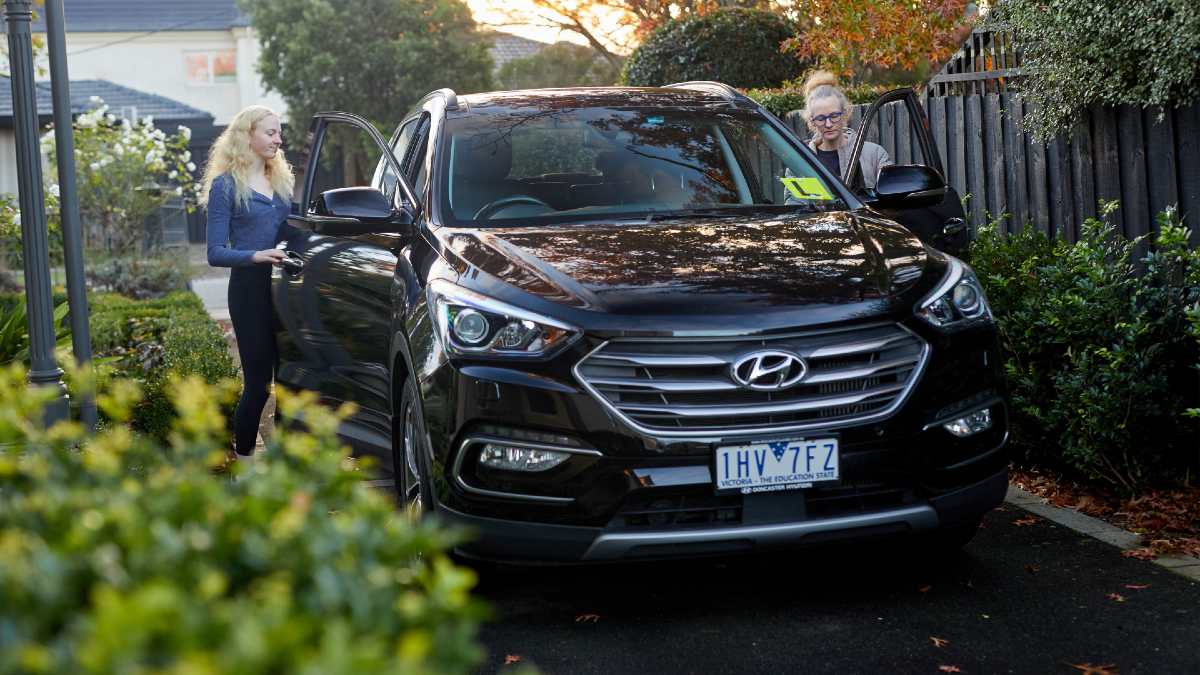
Car insurance guide for P-platers and young drivers
Graduating from L-plates and new to driving without supervision? Discover what P-platers and young drivers should know about car insurance, including cover options, premiums and mistakes to avoid.
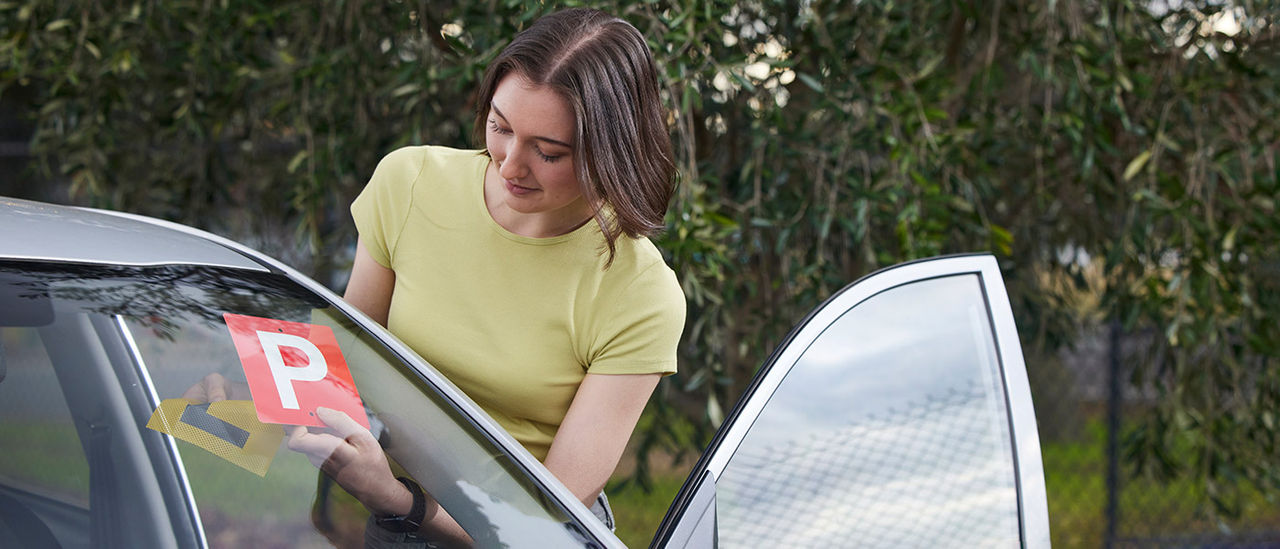
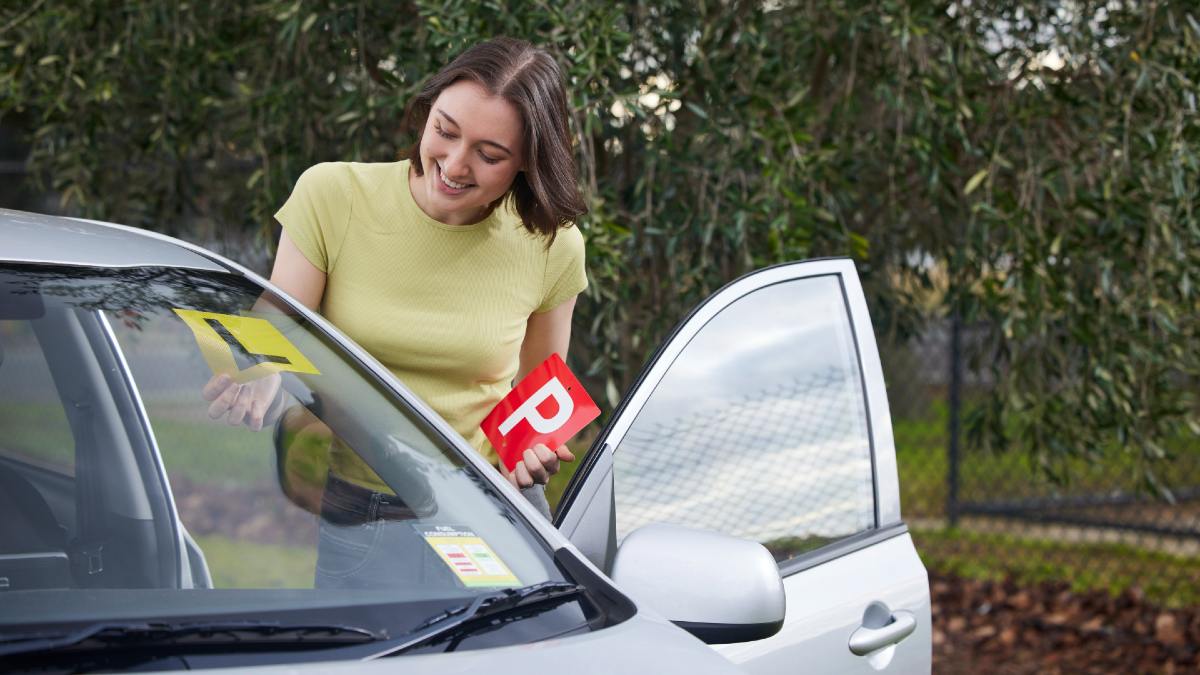
Getting your P-plates is an exciting milestone, bringing new freedom and independence. But whether you're buying your first car or driving the family vehicle, understanding car insurance is an important part of getting behind the wheel.
Car insurance for P-platers and young drivers can be more expensive than for experienced motorists, and choosing the right cover may not be straightforward.
From understanding premiums and excess to avoiding common insurance mistakes, here's what Victorian P-platers and young drivers need to know.
Any RACV Car Insurance policy may be suited for Victorian drivers under 25.
What should P-platers and young drivers know about car insurance?
In Victoria, Compulsory Third Party (CTP) insurance is included in your vehicle registration through the Transport Accident Commission (TAC). It covers eligible injuries resulting from transport accidents, but doesn't cover damage to property, including to your own vehicle.
Other types of car insurance include:
- Comprehensive car insurance - covers accidental damage to your car, fire and theft, and your legal liability for damage your car causes to other people's vehicles or property.
- Third Party Fire and Theft insurance - covers your legal liability for damage your car causes to other people's vehicles or property, plus cover is your car is stolen or damaged in a fire, subject to policy limits.
- Third Party Property Damage insurance - covers your legal liability for damage your car causes to other people's vehicles or property, but generally not damage to your own car.
These summaries are a guide only. Cover is subject to policy terms, conditions, limits and exclusions. Read the relevant policy documents for full details. The right car insurance for young drivers depends on their vehicle, budget and individual circumstances.
More: Third party car insurance explained; Comprehensive car insurance explained
Why is car insurance often more expensive for young drivers?
Car insurance for P-platers is often more expensive because younger, less experienced drivers are statistically more likely to be involved in accidents. Insurers consider this increased risk when calculating premiums.
Drivers under 25 may face additional excesses when making a claim. Additional excesses may also apply to drivers over 25, such as those with less than two years’ driving experience.
However, premiums can vary considerably depending on the insurer, vehicle and level of cover.
More: How much does car insurance cost?
What affects the cost of your car insurance premium?
Several factors can influence how much you pay for car insurance, including:
- Age and driving experience - younger drivers and those with limited driving experience may pay higher premiums.
- Vehicle type - high-performance, expensive or modified vehicles can cost more to insure.
- Location - where you live and regularly park your car can affect your premium.
- Driving history - previous accidents, claims and traffic offences may influence insurance costs.
- Level of cover - comprehensive insurance generally costs more than third party property damage insurance.
- Excess - choosing a higher voluntary excess may reduce your premium, but increases what you could pay when claiming.
Comparing car insurance quotes and understanding what's included can help young drivers find suitable cover.
Getting your P-plates is an exciting milestone, but it's important to understand how car insurance works.
What is car insurance excess and how does it work?
An excess is the amount you may need to contribute towards an insurance claim.
For example, if your policy has a $700 basic excess and you're required to pay it following an accident, you'll contribute $700 towards the claim.
Young drivers may also have an additional age or inexperienced driver excess. This can apply on top of the basic excess, depending on the policy.
Read the relevant policy documents to understand which excesses apply and when they must be paid. For RACV Car Insurance, these details are outlined in the Product Disclosure Statement (PDS) and the Premium, Excesses and Discounts Guide (PED).
More: What is a car insurance excess and how does it work?
Can P-platers be listed on someone else's car insurance policy?
Yes. P-platers and young drivers can often be listed as drivers on a parent or family member's car insurance policy.
If you regularly drive someone else's car, it's important to tell their insurer. Adding a young driver may increase the premium, but failing to disclose regular drivers could affect future claims.
Always check whether the policy covers drivers under 25 and whether additional excesses or restrictions apply.
More: The most common car insurance claims
What should you do after a car accident?
If you're involved in a car accident, follow these steps:
- Stop safely - check for injuries and call 000 if emergency assistance is required.
- Exchange details - share your name, address, registration and other required information with the people involved.
- Document the accident - take photos of vehicle damage and the accident scene, if safe.
- Report the accident - contact police when required, including if someone is injured or required details cannot be exchanged.
- Contact your insurer - report the incident promptly and follow their claims process.
Avoid admitting fault at the scene or agreeing to pay for repairs before speaking with your insurer.
More: What to do if you're in a minor car accident - step-by-step procedure
When drivers graduate from L-plates to P-plates, it’s time to review their car insurance cover, whether they’re buying their first car or driving the family vehicle.
What are some common car insurance mistakes new drivers make?
Common mistakes include:
- Choosing insurance based on price alone - the cheapest policy may not provide the protection you need.
- Not checking excesses - additional young driver excesses can significantly increase out-of-pocket costs.
- Failing to disclose regular drivers - this may affect your insurance cover or claims.
- Assuming every accident is covered - policies contain exclusions, conditions and limits.
- Not updating your details - changes to your vehicle, address or driving circumstances may need to be disclosed.
More: How to make a car insurance claim
How can young drivers choose the right car insurance?
Before purchasing car insurance, consider your vehicle's value, how often you drive and how much you could afford to pay following an accident.
Compare cover options, premiums, excesses and exclusions rather than focusing on price alone.
RACV Car Insurance options include Complete Care® Car Insurance, Comprehensive Car Insurance, Third Party Fire and Theft Car Insurance, and Third Party Property Damage Car Insurance.
The information provided is general advice only. Before making any decisions please consider your own circumstances and the Product Disclosure Statement and Target Market Determinations. For copies, visit racv.com.au. As distributor, RACV Insurance Services Pty Ltd AFS Licence No. 230039 receives commission for each policy sold or renewed. Product(s) issued by Insurance Manufacturers of Australia Pty Ltd ABN 93 004 208 084 AFS Licence No. 227678.