
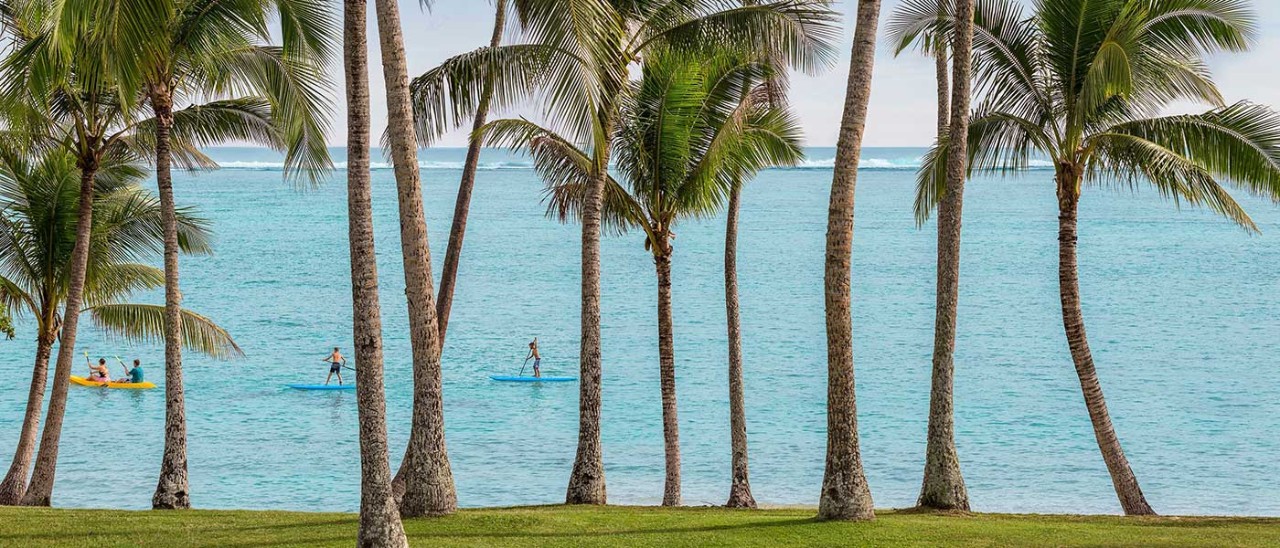
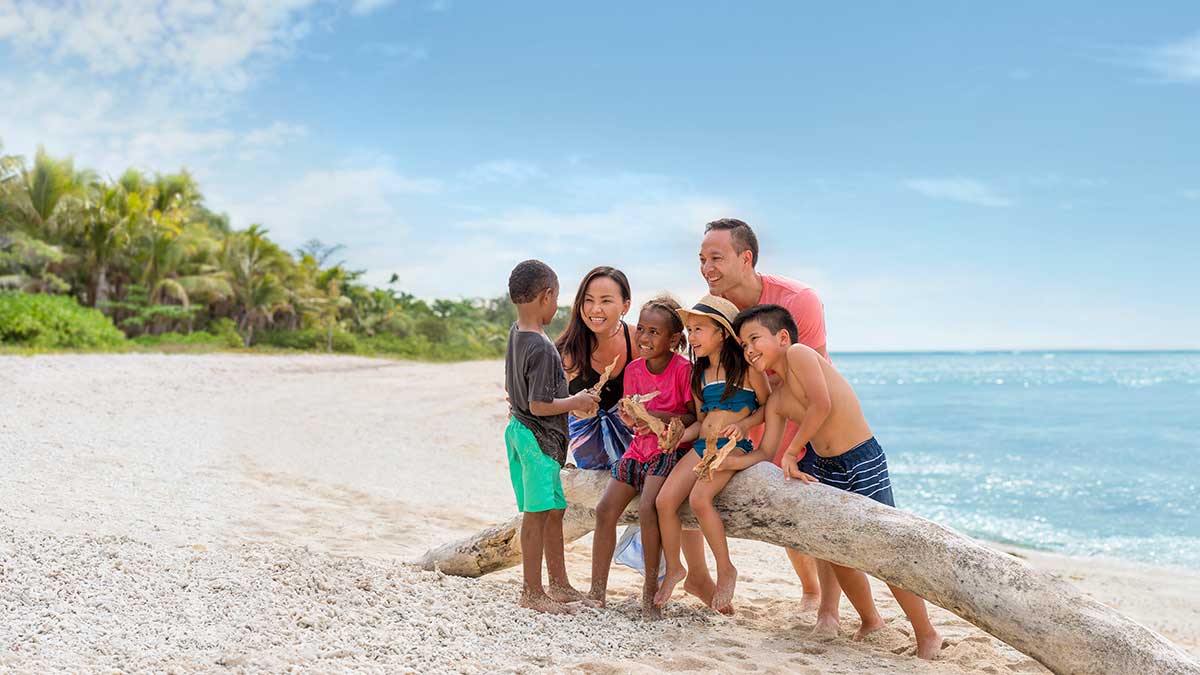
There are so many factors to consider when you’re travelling with kids, and Fiji ticks all the boxes you need. Fiji impresses with its marine-filled turquoise waters, gorgeous palm-fringed beaches, and abundance of activities to wow and woo.
International

Fiji travel guide and safety advice
Planning your Fiji holiday? This comprehensive guide covers what Australians need to know, from visa requirements and healthcare advice to safety and travel tips.
A trip to Fiji is nothing short of unforgettable. From palm-fringed beaches and turquoise lagoons to lush rainforests and laid-back island villages, Fiji offers natural beauty, warm hospitality and plenty of adventure.
Whether you're snorkelling over coral reefs, island-hopping through the Mamanucas or Yasawas, or simply unwinding at a beachfront resort, a little preparation can go a long way.
Knowing the local customs, entry requirements, health advice and safety basics before you go will help make your Fiji holiday smoother, safer and more relaxing from start to finish. Ready to go?
RACV Travel & Experiences is your one-stop shop for travel, with RACV Members saving on tours, cruises holiday packages and more.
Do Australians need a visa for Fiji?
If your stay is less than four months, Fijian authorities will issue a visa when you arrive into Fiji. You will need to fill in the arrival card distributed on your flight or at the airport. Entry is subject to conditions, such as having:
- a passport that is valid for six months after your departure date.
- a return ticket or proof of onward travel
- evidence of accommodation bookings.
If you are intending to work in Fiji you’ll need to apply for a specific working permit (either a Short Term Work Permit or Specialised Skills Permit) through the Fiji Immigration Department before arriving. To study in Fiji you need a Student Permit.
More: How to keep your passport safe when travelling overseas
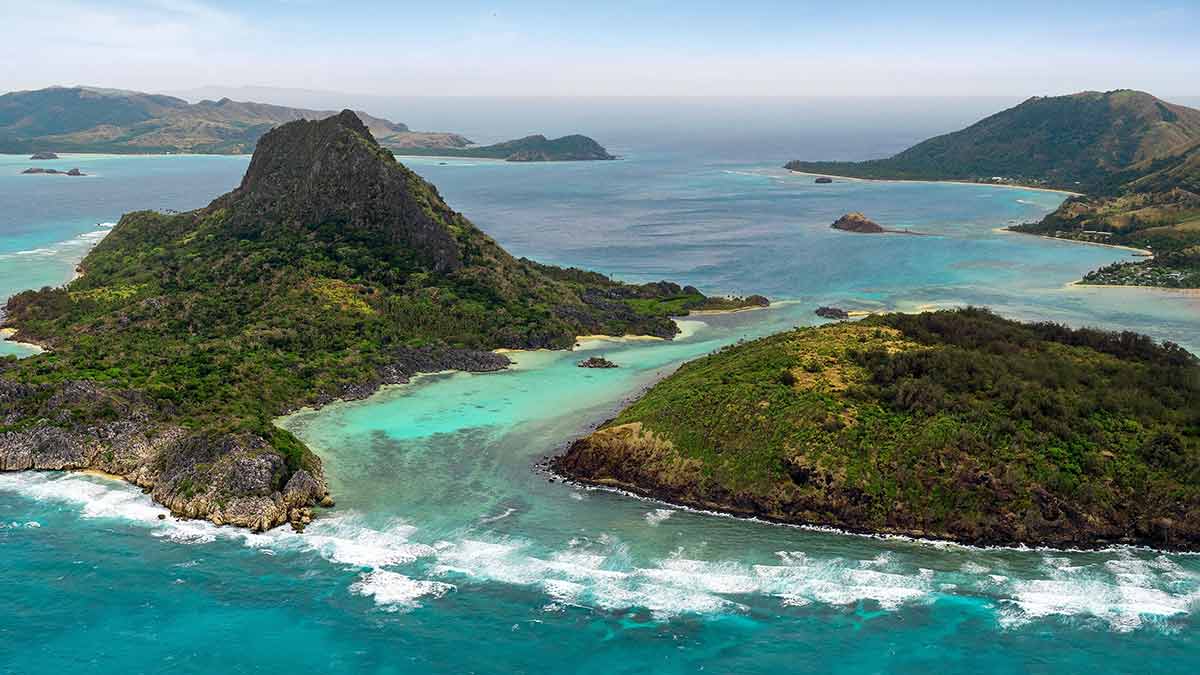
Short flights connect the main islands of Viti Levu and Vanua Levu with smaller islands and resort destinations. Image: Tourism Fiji
Fiji airports and entry points
Australians typically fly direct from Sydney, Melbourne, Brisbane, Cairns and the Gold Coast (for return flights). There are also non-direct flights from Perth, Adelaide and Hobart.
Nadi International Airport is the arrival port for Australians. The most common airlines flying between Australia and Fiji are Fiji Airways (often codeshared with Qantas), Virgin Australia, and Jetstar. Australian planes and carriers also fly into Nausori International Airport (SUV) near Suva, but there are no direct flights.
Getting around Fiji by air is easy, with Fiji Link and Northern Air running most domestic routes. These short flights connect the main islands of Viti Levu and Vanua Levu with smaller islands and resort destinations, and usually take between 30 and 90 minutes.
Fiji currency: credit cards versus cash
The official currency of Fiji is the Fijian dollar (FJD). Like Australia, Fiji uses a mix of coins and notes, making it easy for travellers to get familiar with the local currency. Credit cards are widely accepted at resorts, hotels, restaurants, and larger shops in Fiji. However, businesses routinely add a 3 to 5 per cent card surcharge.
Resorts and tourist areas can be on the pricier side, while local shops and markets are generally more affordable, although Australian travellers can expect many everyday costs to feel similar to those at home.
ATMs are available in major towns, but if you’re heading to the outer islands, it’s a good idea to withdraw cash before you leave. Tipping isn’t expected in Fiji, but if you receive excellent service, a small tip will always be appreciated.
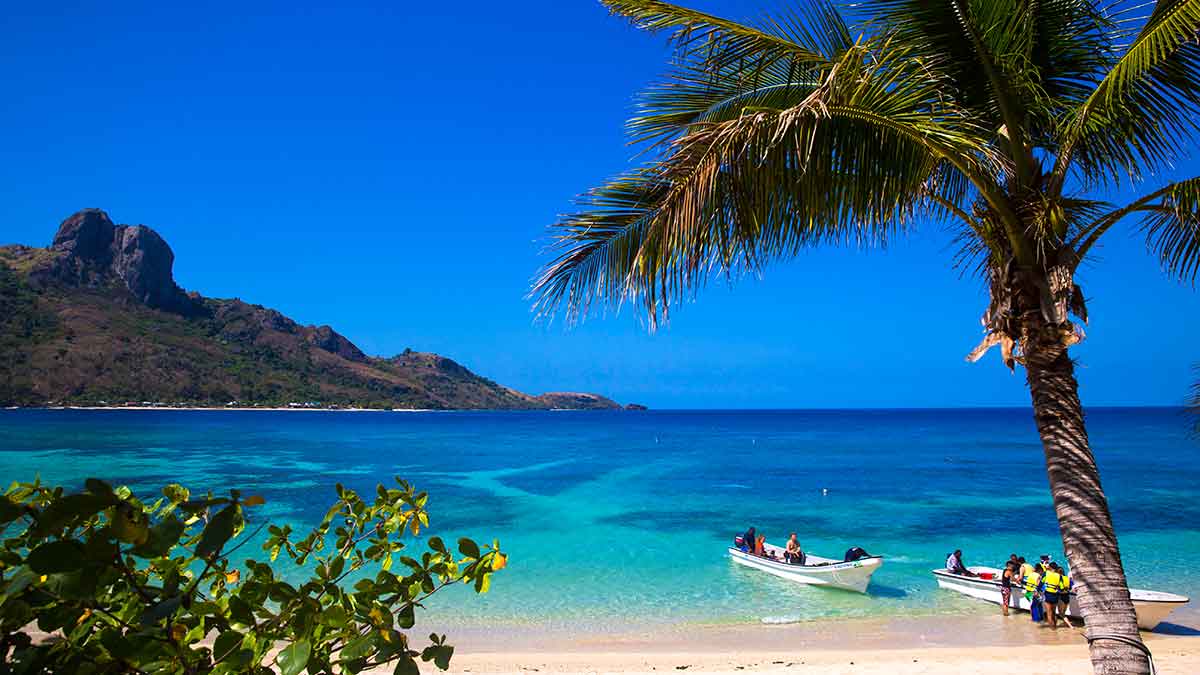
It's turquoise lagoons, coral reefs, and tropical climate make Fiji a top destination for marine experiences. Image: Tourism Fiji
Staying connected in Fiji
These days, no matter where we go, we want to stay connected - to work or to family and friends. In Fiji, there are plenty of options for visitors.
Using Your Australian SIM in Fiji
- Roaming: The Australian mobile providers with roaming in Fiji include Telstra ($5/day, 2GB), Optus ($5/day, 5GB), and Vodafone ($5/day). These prices are current at the time of writing but always check with your provider before you travel.
- Tip: If you’re using daily passes, access the wifi in your hotel whenever possible and use roaming only when you really need it. This can save you the charge for the day.
Buying a Fijian SIM Card
This is the most cost-effective option for Australian travellers. Top Fijian providers: Vodafone Fiji and Digicel Fiji.
Where to buy a SIM card:
Nadi International Airport - Vodafone or Digicel outlets. Or stores in Nadi, Suva and Sigatoka
eSIM Options
Providers like Vodafone Fiji and Digicel Fiji offer eSIM services for tourists. You can also purchase eSIMs from Airolo, Holafly and Saily.
- eSIMs: Fijian telco networks support eSIM technology, so if your phone works with eSIMs, you can purchase and activate an eSIM without having to use physical SIM cards. Purchase online before you travel or on arrival.
- Activation: Activate online or once you arrive in Fiji.
Mobile Coverage
- 4G/LTE mobile coverage is quite good in Fiji’s major cities and tourist hotspots like Viti Levu (Nadi, Suva), Vanua Levu, Denarau and the Yasawas. 5G is available in some regions.
- Tip: Buying a local SIM in Fiji is much cheaper than using roaming with your home networks.
You can try food cooked in a traditional earth oven or lovo in Fiji. Image: Tourism Fiji
Fiji travel advice & local laws
Alcohol and smoking
The legal drinking age in Fiji is 18. You'll need to show ID in bars and nightclubs, or to purchase alcohol. You must be 18 to purchase cigarettes.
It’s illegal to sell vapes in Fiji, so if you use one, you’ll need to bring your own. Keep in mind that vapes and e-cigarettes must be packed in your carry-on luggage, not checked baggage, and any e-liquid must comply with airline liquid restrictions, which are typically limited to 100ml per container.
Smoking is not allowed in indoor spaces in Fiji. Most resorts have outdoor smoking areas.
Medication
Australian prescriptions cannot be issued overseas and not all medicine you take in Australia is available in other countries. Some common medicines may be considered illegal or a controlled substance. Commonly restricted drugs include amphetamines, ADHD, anti-anxiety and antidepressant medications, sleeping tablets, medical marijuana/cannabis, opioid-based painkillers, such as codeine and medication containing pseudoephedrine, such as cold and flu tablets.
Illicit drugs
Fiji has strict drug laws and breaking the law can land you in prison. Cannabis (marijuana), cocaine, heroin, methamphetamine, and other synthetic drugs are illegal. Prescription narcotics like oxycodone and fentanyl are also strictly controlled. If you need these medications, make sure you have a letter from your doctor with your prescription and doses clearly outlined.
Local customs
In Fiji, it’s important to dress modestly when you’re outside of the resorts. Carry a sarong to cover your shoulders and knees. Remove your hat and shoes when entering a village and be respectful to village chiefs.
COVID-19
Fiji is currently operating as it was pre-pandemic. There are no COVID-19 travel restrictions.
More: How travel insurance protects you in medical emergencies and natural disasters while overseas
Fiji offers a range of easy spectacular forest and rainforest walks. Image: Tourism Fiji
Is Fiji safe to travel?
Be mindful of everyday risks and check Smartraveller for travel warnings before and during your trip.
Crime and personal safety
Fiji is generally safe for Australians, but caution does need to be taken in the more urban areas like Suva and Nadi. Be alert when walking around at night, avoid isolated places and keep your valuables locked in your resort safe whenever possible.
- If you need to contact police in an emergency, call 917.
More: Common travel scams and how to avoid them
Weather & outdoor safety
Fiji is tropical. Travellers should remember to drink lots of water in tropical climates. Wear sunscreen and re-apply regularly during the day. Use a tropical strength insect repellent.
Driving & transportation tips for Australians in Fiji
In Fiji, people drive on the left. Check current licence requirements with your hire car provider and official local guidance before travel. You will need a full Australian licence, and may require an International Driving Permit (IDP). RACV is Victoria’s only authorised provider of IDPs.
- Speed limits on highways are 80 km/h, and 50 km/h in towns and villages, but always check the road signs.
- Drink driving laws are strict, and Fiji Police advise not to drink and drive.
- Seatbelts must be worn.
Road conditions in Fiji can be challenging. Expect potholes, unmarked speed bumps and animals on the road.
RACV Members save on car hire in Fiji
More: Driving overseas guide: licences, International Driving Permit, insurance and road rules
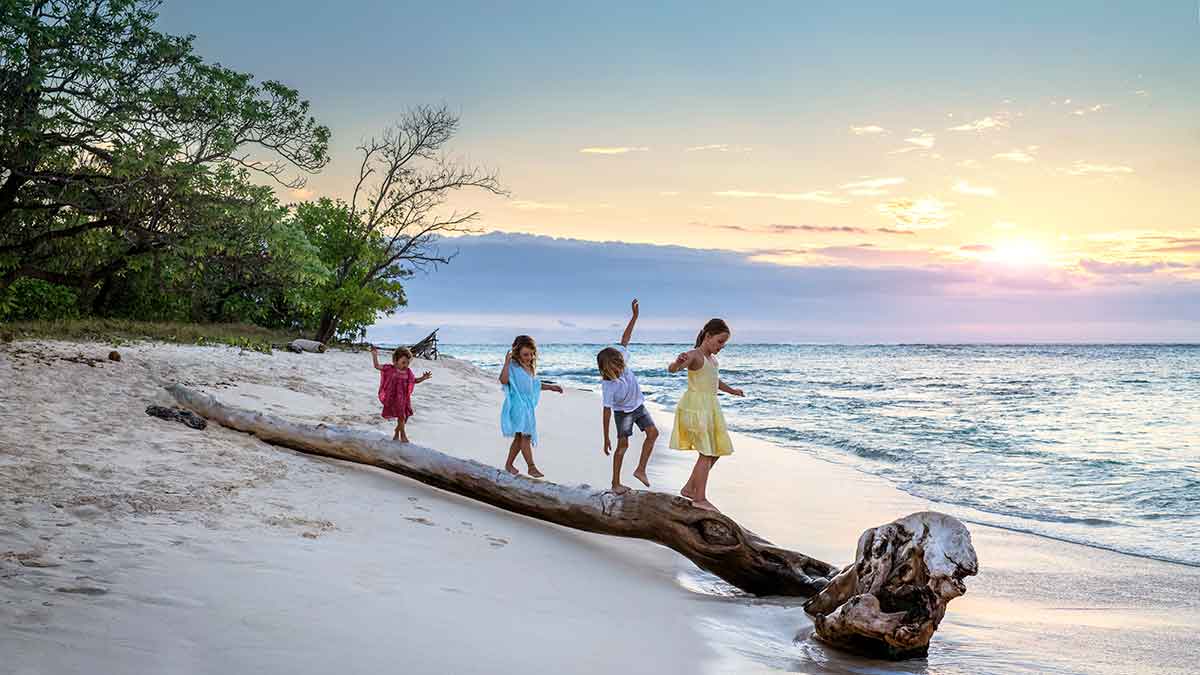
Wherever you stay in Fiji, there's a natural playground nearby for children. Image: Tourism Fiji
Do I need travel insurance for Fiji?
Australian Medicare does NOT cover healthcare in Fiji. If you're planning a trip to Fiji, it's important to consider international travel insurance, which can include:
- medical and evacuation cover in case of emergency
- trip cancellation protection
- sports and activities cover, if you plan to engage in hikes, water activities, vehicle activities or other adventure activities.
Read the policy document to understand what the policy does and does not cover, including exclusions, limits under each section of cover, your obligations, and what to do if you need to make a claim. For RACV Travel Insurance, for example, you can read the Product Disclosure Statement for full details.
RACV Members save on travel insurance*
Medical emergencies & healthcare for Australians
Medical care in Fiji can be limited, and you may need to pay upfront for treatment unless you have travel insurance and later make a claim. In serious cases, medical evacuation may be required. While there are medical clinics in Nadi and Suva, the standard of care may differ from Australia, and access to healthcare is more limited on the remote islands.
There is also a risk of mosquito-borne illnesses, including dengue fever, chikungunya and Zika virus. To help protect yourself, use a tropical-strength insect repellent and wear long, loose clothing, particularly in the evenings. Before you travel, check with your GP or a travel health clinic to see whether any vaccinations or boosters are recommended for your circumstances.
If you need an ambulance while in Fiji, call 911.
More: Countries with reciprocal healthcare agreements when travelling overseas
Fiji luggage rules & customs for Aussies
- Standard baggage allowances on flights from Australia to Fiji depend on your airline and their specific requirements.
- Hand luggage on a Jetstar flight is 7kg. Checked luggage must be purchased. Virgin allows up to 8kg for hand luggage, 23 kg for checked, while Fiji Airways allows up to 7kg in carry on and 30kg in checked luggage.
- Check limits with the airline during the booking process to avoid on-the-spot hand luggage fees.
- Biosecurity rules - do not bring seeds, nuts, fresh produce, live animals or soiled outdoor equipment into Fiji. Declare any food items on arrival into the country.
- Do not bring any illegal weapons, explosives, drugs or pornographic material into Fiji.
- Don’t take drugs or pornographic material with you into Fiji either in hand luggage or checked baggage.
- Vapes and e-cigarettes must be carried in hand luggage.
More: What happens with lost or stolen luggage at the airport?
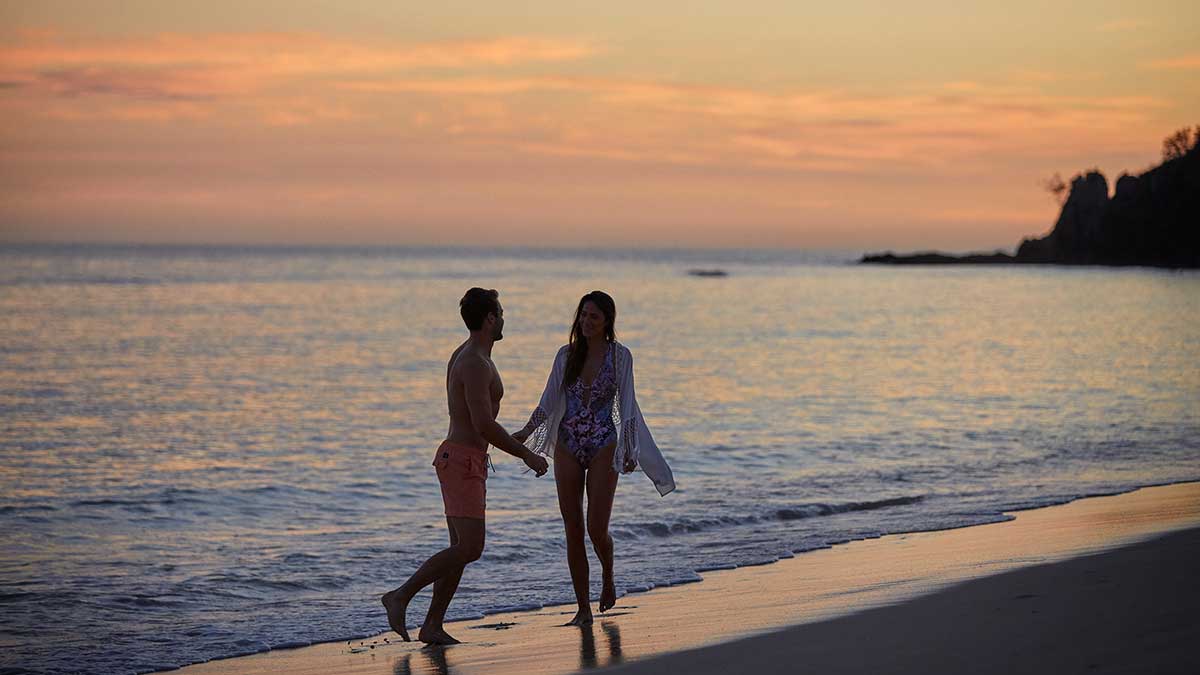
Warm swims and beach walks are among the simple pleasures on offer in Fiji. Image: Tourism Fiji
Useful apps & emergency contacts for Fiji
Apps recommended for Aussie travellers:
- Wise – a currency app that lets travellers spend money at the real exchange rate with low fees
- Google Maps (Offline) – for when data coverage is inefficient
- Discover Fiji – for trip planning - find beaches, food, accommodation and tours.
- WhatsApp - many tourism providers communicate via WhatsApp.
Emergency numbers in Fiji
- Police - 917
- Fire - 910 or 911
- Ambulance - 910 or 911
- Water Authority of Fiji - 5777 or 334 6777
- Crime Stoppers - 919
- Australian High Commission (Suva): +679 338 2211
- Consular Emergency Centre (24-hour): +61 2 6261 3305
Australian Consulate help in Fiji
Australian High Commission
- Address: VCGQ+645, Princes Rd, Suva, Fiji
- Phone: +679 338 2211
- Email: consular.suva@dfat.gov.au
The Australian High Commission in Fiji can provide consular assistance such as emergency support for serious injury, illness, or death, and help during times of crisis to Australian travellers. The High Commission can also issue passports and act as a notary (by appointment only).
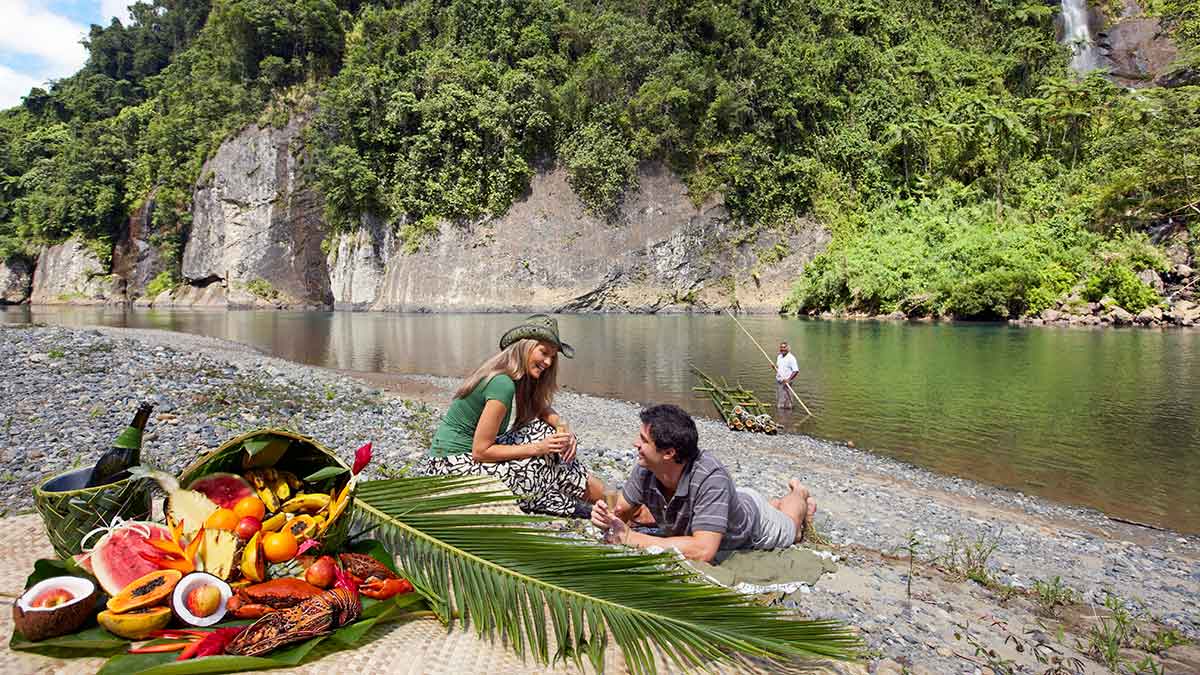
Fiji offers fabulous foodie experiences in idyllic settings. Image: Getty
Australians travelling to Fiji for a holiday usually don’t need to apply for a visa in advance. For stays of less than four months, entry permission is generally issued on arrival, provided your passport is valid for at least six months and you have proof of onward or return travel.
To reduce the risk of illness, travellers should stick to boiled or bottled water with sealed lids, especially during or after heavy rain and flooding.
It depends on where you’re staying. Many travellers connect from Nadi by resort transfer, ferry, boat or short domestic flight, especially if they’re heading to islands such as the Mamanucas or Yasawas. Pre-booking transfers can make arrival much smoother, particularly if you’re landing late or have an onward connection
They can be, particularly in warmer, wetter months. Smartraveller warns of mosquito-borne illnesses including dengue, chikungunya and Zika, so it’s worth packing repellent and lightweight clothing that covers your skin.
Cyclone season generally runs from November to April. Weather events can affect flights, ferries, road access and power, so it’s worth checking forecasts and making sure your travel insurance covers disruptions. Smartraveller notes that flooding can also affect access to airports and the Coral Coast.
Time your holiday for May to October for the best weather. Image: Tourism Fiji
Quick Fiji travel checklist for Australians
- Carry an Australian passport valid for at least six months beyond your departure date.
- Have proof of return or onward travel and your accommodation details handy.
- Consider travel insurance that includes medical cover and medical evacuation.
- Pack any prescription medication in its original packaging, along with a medical certificate. Note, Australian prescriptions cannot be issued overseas.
- If you are hiring a car, make sure you have a valid Australian driver’s licence, and check with the rental company if you need an International Driving Permit as well.
- Pack tropical-strength insect repellent and any essential health items.
- Save Fiji’s emergency numbers and Australian consular contact details before you leave.
More: When to book travel insurance
Final tips for Australians travelling to Fiji
- Fiji is different to Australia. Some things take longer than others and you need to embrace being on “Fiji time” with no need to rush.
- Fiji uses a similar voltage to Australia, but it’s still worth checking plug compatibility with your accommodation before you travel
- You should dress modestly when you are outside the walls of your resort. Cover your shoulders and knees when in villages.
- Check your travel insurance policy for conditions, limits and exclusions. For example, RACV Travel Insurance covers most amateur sports and activities# when you meet specific criteria. Ensure you read the relevant Product Disclosure Statement for details.
Related reading: The best family activities to do in Fiji
*RACV Member discount applies to the premium only (not applicable taxes).
# Terms, conditions (including eligibility criteria), limits, sub-limits and exclusions apply. Refer to Combined Product Disclosure Statement (PDS) / Financial Services Guide (FSG) for full details.
Royal Automobile Club of Victoria (RACV) Limited (ABN 44 004 060 833, AR No. 1243563) (RACV) is an authorised representative of the RACV Travel Insurance insurer Tokio Marine & Nichido Fire Insurance Co., Ltd. (ABN 80 000 438 291 AFSL 246 548) (Tokio Marine). Tokio Marine Management (Australasia) Pty Ltd (ABN 69 001 488 455, AR No. 1313066) is an authorised representative of Tokio Marine, and administers RACV Travel Insurance as the managing agent on behalf of Tokio Marine.
Terms, conditions (including eligibility criteria), exclusions, limits and sub-limits apply. Any advice is general advice only, and does not take into account your specific objectives, financial situation or needs. Before you purchase, please consider the Combined Product Disclosure Statement (PDS) / Financial Services Guide (FSG) and Target Market Determinations (TMDs) available on RACV’s website, or on request from RACV.

