
Discover the best things to see and do in Japan - from samurai and ninja experiences to cherry blossoms, onsen, food, festivals and more.
International
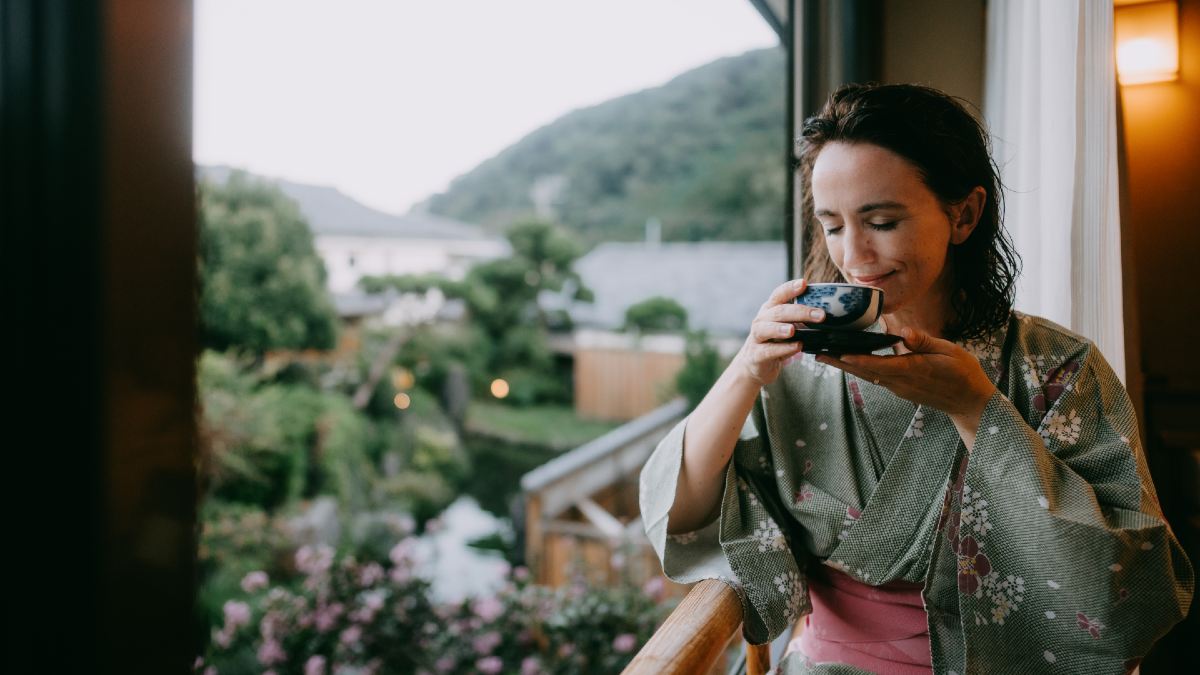
Japan travel guide and safety advice
Planning a holiday to Japan? Learn about visas, transport, money, SIM cards, driving, medication, local laws, safety and emergency numbers for Australians.
Japan is one of the most popular overseas destinations for Australians, combining efficient public transport, distinctive food and culture, spectacular natural scenery and cities ranging from fast-paced Tokyo to historic Kyoto.
Japan is considered a safe destination for Aussie travellers, although preparation is important. From entry requirements and getting around to money, local laws and emergency numbers, here's what Australians should know before travelling to Japan.
RACV Members save on Japan holiday packages and travel insurance for Japan.
Do Australians need a visa for Japan?
Australian passport holders can generally visit Japan visa-free for up to 90 days for tourism, business trips, conferences or visiting family and friends. You must be able to prove you have enough money to support yourself during your stay and hold proof of a confirmed return or onward flight.
Travellers can use the official Japanese government website Visit Japan Web to pre-register information for immigration and customs procedures, speeding up airport processing.
Entry requirements can change, so check the latest advice before departure. Before you travel, check the latest visa and entry requirements with the nearest Embassy or Consulate of Japan, as it's your responsibility to make sure you meet current travel conditions.
If you intend to work or study in the country, you do need to apply for the appropriate visa.
Important: You must carry a valid Australian passport when travelling to Japan. You should have at least six months of validity remaining on your passport from the date you plan to depart Japan.
More: How to keep your passport safe when travelling overseas
You must carry a valid Australian passport when travelling to Japan. Image: Getty
Major airports and entry points in Japan
Australians typically fly direct from Sydney, Melbourne, Brisbane, Cairns and the Gold Coast (for return flights). There are also non-direct flights from Perth, Adelaide and Hobart.
Major Japanese airports where Australians arrive:
- Narita International Airport (NRT) - near Tokyo
- Haneda Airport (HND) - in Tokyo
- Kansai International Airport (KIX) - near Osaka and Kyoto
- Chubu Centrair Airport (NGO) - near Nagoya
- Fukuoka Airport (FUK) - in Kyushu
- New Chitose Airport (CTS) - near Sapporo in Hokkaido.
Note: Japan has strict biosecurity rules for Australian travellers. You can not bring in fresh fruit, vegetables, meat, dairy or eggs. You must declare all packaged snacks. Recreational drugs and medicine containing pseudoephedrine (like Sudafed) are banned.
Converting AUD to Japanese currency
The official currency of Japan is the Japanese yen (JPY or ¥).
International credit and debit cards are widely accepted in Japan, particularly in cities, hotels, department stores and larger businesses. International cards can also be used to withdraw cash from certain ATMs, including Seven Bank and Japan Post Bank ATMs.
However, cash remains useful for smaller restaurants, attractions and businesses, especially outside major tourist areas. Avoid relying on only one payment method: carrying some yen alongside a card can make travelling easier.
Only exchange money at authorised money changers, which are generally located at airports, in tourist areas, and in major cities and towns.
The official currency of Japan is the Japanese yen. Image: Getty
SIM cards, eSIMs and Wi-Fi in Japan
Having mobile data makes navigating Japan significantly easier, particularly for using maps, translation apps and checking public transport.
Travellers can choose between:
- Buying a local prepaid SIM card at major airports from SIM card vending machines or dedicated SIM card counters, or at electronics retailers such as Bic Camera and Yodobashi Camera. Popular tourist SIM providers include NTT Docomo, SoftBank and IIJmio, with plans typically available according to data allowance and length of stay. You can even order a SIM online before travelling and arrange airport pickup.
- Purchasing an eSIM before departure, if your phone supports it, via providers like Airalo, Ubigi, Holafly or Nomad.
- Using international roaming from your Australian provider, such as Telstra, Optus, Vodafone, Amaysim or felix mobile.
Japan has extensive 4G/LTE and 5G coverage, particularly in cities and major tourist areas, and offers public Wi-Fi at many hotels, airports, stations and tourist facilities. Service can be more limited in rural and mountainous areas.
A prepaid SIM or eSIM will often be a more economical option for travellers who expect to use mobile data regularly.
More: How to keep your smartphone safe when travelling
What power outlets does Japan use?
Japan mainly uses Type A power outlets, with two flat parallel pins. There are also some Type B outlets, which include an additional grounding pin. Australia uses Type I plugs, so Australian travellers will generally need a Japan-compatible travel adaptor.
Japan also operates on 100V electricity, so check that your devices support 100V before plugging them in.
Useful apps to download for Japan
Before you travel, consider downloading:
- Google Maps - for driving and walking around towns
- Google Translate – to communicate with locals
- Japan Transit Planner – for public transport information
- your airline's app - for flight updates
- your travel insurer's app, e.g. RACV App - for assistance if needed.
Emergency numbers in Japan
If something goes wrong during your trip, these numbers are worth saving before departure:
- Police - 110
- Fire and ambulance - 119
- Japan Visitor Hotline - 050-3816-2787 (available 24/7 in English for tourist information and assistance during accidents, illness and natural disasters)
- Tokyo English Lifeline (TELL) - 03‑5774‑0992 (confidential English-language mental health support, counseling, and suicide prevention services across Japan).
Australian Consulate help in Japan
Here's who to contact for emergency assistance, passport renewal and aid with issuing emergency documents, legal aid referral and aid during natural disasters.
- Australian Embassy Tokyo - +81 3 5232 4111; 2‑1‑14 Mita, Minato‑ku, Tokyo
- Australian Consulate‑General Osaka - +81 6 6941 9271; 16F Twin 21 MID Tower, 2‑1‑61 Shiromi, Chuo‑ku, Osaka
- Australian Consulate‑General Fukuoka - +81 92 734 5055; 7th Floor, Tenjin Twin Building, 1‑6‑8 Tenjin, Chuo‑ku, Fukuoka
- Australian Consulate Sapporo - +81 11 242 4381; 17th Floor, Sapporo Centre Building, North 5, West 6‑2, Chūō‑ku, Sapporo.
Mobile service can be limited in rural and mountainous areas in Japan. Image: Getty
Can Australians drive in Japan?
Hiring a car can be useful for exploring regional areas, but isn't usually necessary in major cities thanks to Japan's outstanding public transport.
Australians planning to drive should carry:
- a valid Australian driver's licence.
- an International Driving Permit (IDP). RACV is Victoria’s only authorised provider of IDPs. An IDP must be presented when doing Street Kart Tokyo, a very popular tourist activity.
Road signs increasingly include English, but navigation apps remain essential.
Like Australia, Japan drives on the left. Roads are generally well maintained, but navigating narrow streets, unfamiliar road signs and winter conditions can be challenging.
Speed limits in Japan are generally 100 km/h on expressways, 40 km/h in urban areas and 50-60 km/h in rural areas.
Expressways have tolls, so ask your rental company for an ETC card.
Japan also has strict drink-driving laws. Your Blood Alcohol Concentration (BAC) must be 0.0% (unlike the Australian limits of 0.05%).
RACV Members save on car hire in Japan.
More: Driving overseas guide: licences, International Driving Permit, insurance and road rules
How to use public transport in Japan
Japan's trains, subways and buses are extensive and generally reliable. Major cities like Tokyo, Osaka, Kyoto, Nagoya, Sapporo and Fukuoka have comprehensive public transport networks, while the Shinkansen (bullet train) connects many major cities.
Rechargeable public transportation cards (IC cards), such as Suica and PASMO, can make local travel simpler. Rather than buying individual tickets, travellers can tap on and off participating trains, subways and buses. Compatible IC cards can generally be used across multiple regions and at some convenience stores, vending machines and other businesses.
Long-distance and Shinkansen journeys may require separate tickets or reservations, so check the conditions for your particular journey.
Adhere to local customs when travelling in Japan, such as not eating while walking. Image: Getty
Is Japan safe for Australian tourists?
Japan has a relatively low crime rate, but normal precautions still apply.
Weather & outdoor safety
Japan experiences earthquakes and can also be affected by tsunamis, typhoons, volcanic activity, landslides and heavy snow. Pay attention to official warnings and learn your accommodation's evacuation procedures. You should also carry a basic emergency kit (water, snacks, torch, first aid kit) if you're hiking or skiing.
Crime
The risk of violent crime is low in Japan but, as always, stay aware of your surroundings, especially in crowded spots. Use hotel safes and anti-theft bags to help protect your belongings.
Petty theft can occur around busy tourist attractions, while travellers should be cautious in nightlife districts where incidents involving drink spiking, excessive charges, credit card fraud and forced ATM withdrawals have been reported.
More: Common travel scams and how to avoid them
Travel Warnings
As of 21 May 2026, the Australian Government advises travellers to exercise normal safety precautions in Japan.
Japan is typically a very safe destination for Australians. Image: Getty
Japanese local laws and cultural etiquette
Alcohol
The legal age for drinking and smoking is 20 in Japan. Your blood alcohol content must be 0.0% when driving. Local restrictions can also prohibit drinking alcohol in particular public areas or during specific events.
Smoking
The legal smoking age in Japan is 18. Smoking is mostly banned in indoor public spaces and on public transport.
Illicit drugs
Recreational drugs like marijuana, cocaine, heroin, methamphetamine and MDMA are illegal in Japan. Japanese drug laws are particularly strict, and penalties for possessing illegal drugs can be severe.
Medications
Japan has strict rules governing prescription and over-the-counter medicines, and some substances commonly available in Australia may be restricted or prohibited.
Rules can affect medicines containing ingredients such as pseudoephedrine (found in sinus and cold products), codeine, narcotics, and certain stimulants used to treat ADHD. Medicinal cannabis and CBD products can also create legal problems.
Check your specific medication with Japanese authorities well before departure rather than assuming an Australian prescription makes it legal. Carry medication in its original packaging with supporting prescription documentation where appropriate.
Not all medication available in Australia is available in Japan, so make sure to bring enough legal medicine for your entire trip where possible.
Local customs
Good manners are highly valued in Japan. The Japanese people are very considerate and respectful of each other. Remember to:
- don't speak in a loud voice or take calls on public transport
- avoid eating while walking around or on public transport
- never push in if people are lining up; wait your turn in the queue
- avoid blocking station entrances and busy footpaths with luggage
- take your rubbish home with you (Japan has few public bins)
- follow posted rules about photography and behaviour at temples and shrines
- remove your shoes when requested in homes, traditional accommodation and some restaurants
- avoid tipping; it can be considered rude
- learn a few polite Japanese phrases, such as konnichiwa (hello), arigatou gozaimasu (thank you), sumimasen (excuse me/sorry) and onegaishimasu (please).
- always follow instructions from police and local authorities.
COVID-19
There are currently no COVID-19 rules in place. Japanese people wear a mask if they're feeling unwell, especially in crowded places.
More: How travel insurance protects you in medical emergencies and natural disasters while overseas
Australian Medicare does not cover healthcare in Japan. Image: Getty
Do I need travel insurance for Japan?
Australian Medicare does NOT cover healthcare in Japan. If you're planning a trip to Japan, it's important to consider international travel insurance, which may include:
- medical and evacuation cover in case of emergency
- cancellation fees
- optional extras such as ski and winter sports cover, ocean cruise cover, or sports and activities cover.
Make sure you read the Product Disclosure Statement. This document tells you what the travel insurance policy covers and does not cover (known as exclusions and General Exclusions), the limits under each section of cover, your obligations, and what to do when if you need to make a claim.
RACV Members save on Japan travel insurance.
Medical emergencies & healthcare for Australians
Japanese healthcare in International Clinics is of very high quality, but it is not free for Australians. If you need medical treatment in Japan, you'll usually need to pay the full amount unless you have travel insurance that includes overseas medical cover.
Pharmacies are easy to find in all the major cities for over-the-counter medicines. However, note that you cannot get an Australian prescription filled directly at a Japanese pharmacy. Japanese pharmacies only accept prescriptions written by licensed local Japanese doctors. Make sure to bring enough of your prescription medications to not need a refill, along with a doctor's letter.
For emergencies, dial 110 for police and 119 for fire and ambulance services.
More: Countries with reciprocal healthcare agreements when travelling overseas
Luggage, customs and restricted items in Japan
Standard baggage allowances on flights from Australia to Japan range from 23kg to 32kg. Check with each airline for their specific limits.
Biosecurity rules in Japan require you to avoid bringing any fresh foods, seeds, nuts or animal products into the country. Declare any snacks as you enter and ensure that your hiking boots and outdoor equipment are clean and not carrying soil.
When returning to Australia, remember Australia's strict biosecurity laws. Food, wooden items, plant material and many animal products must be declared to Australian Border Force and biosecurity officers.
More: What happens with lost or stolen luggage at the airport?
Keep Japanese emergency numbers in your phone just in case. Image: Getty
Australian passport holders do not currently need a visa to enter Japan for tourism, business, conferences, or transit for stays of up to 90 days. However, it's important to check the latest visa and entry requirements with the nearest Embassy or Consulate of Japan before you travel.
No, Medicare does not cover any healthcare expenses incurred in Japan. If you need medical treatment, you’ll usually have to cover the bill yourself unless you have travel insurance that includes overseas medical and hospital expenses, which can help reduce what you need to pay out of pocket.
If you're planning to work in Japan or stay longer than three months, you'll need to apply for a visa before you travel. Most longer-stay visas also require a Certificate of Eligibility. Australians aged 18 to 30 with a valid passport may also be eligible for Japan’s Working Holiday Visa.
Yes. Tap water is safe to drink throughout Japan. Public drinking fountains in parks, toilets and hotels are all safe and monitored by the Japanese Ministry of Health, Labour and Welfare. Check the signs in hot spring areas and mountain lodges, some mineral springs are unsafe for drinking.
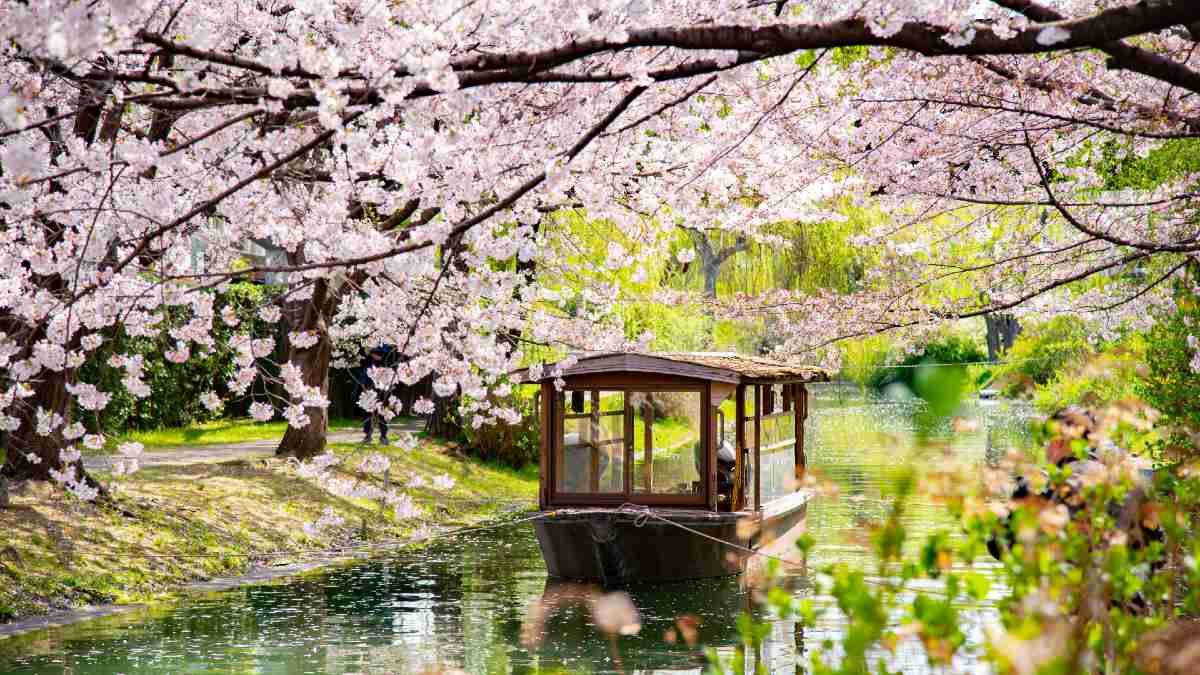
For those who love skiing and snowboarding, travel to Japan in winter (December to February). For outdoor activities, spring, summer and autumn are all wonderful seasons to experience the gardens and nature of the country. For cherry blossom viewing, March to May is best.
Japan is an exciting place to discover new foods, traditions and destinations. Image: Getty
Quick travel checklist for Australians
- A valid Australian passport
- Travel insurance with specific medical cover and that includes cover for activities you will be participating in
- Clean and declare your outdoor gear at customs.
- Ensure you have a medical certificate for medications.
- Australian driver's license and International Driving Permit for car rentals and Street Kart Tokyo
- Know how to access the emergency and consulate contacts
- Know the emergency numbers and consulate contacts.
More: When to book travel insurance
Final tips for Australians travelling to Japan
- Always respect the local customs and biosecurity regulations.
- Be prepared for weather events, especially if hiking or camping in remote areas.
- Carry your passport as you travel around Japan.
- Check your travel insurance policy for conditions, limits and exclusions. For example, RACV Travel Insurance covers most amateur sports and activities when you meet specific criteria.# Ensure you read the relevant Product Disclosure Statement for details.
RACV Members save on Japan holiday packages and travel insurance for Japan.
*RACV Travel Insurance Member discount applies to the premium only (not applicable taxes).
#Terms, conditions (including eligibility criteria), limits, sub-limits and exclusions apply. Refer to Combined Product Disclosure Statement (PDS) / Financial Services Guide (FSG) for full details.
Royal Automobile Club of Victoria (RACV) Limited (ABN 44 004 060 833, AR No. 1243563) (RACV) is an authorised representative of the RACV Travel Insurance insurer Tokio Marine & Nichido Fire Insurance Co., Ltd. (ABN 80 000 438 291 AFSL 246 548) (Tokio Marine). Tokio Marine Management (Australasia) Pty Ltd (ABN 69 001 488 455, AR No. 1313066) is an authorised representative of Tokio Marine, and administers RACV Travel Insurance as the managing agent on behalf of Tokio Marine.
Terms, conditions (including eligibility criteria), exclusions, limits and sub-limits apply. Any advice is general advice only, and does not take into account your specific objectives, financial situation or needs. Before you purchase, please consider the Combined Product Disclosure Statement (PDS) / Financial Services Guide (FSG) and Target Market Determinations (TMDs) available on RACV’s website, or on request from RACV.

