We've recently reviewed and updated our Privacy Charter, which describes how we use cookies and other technologies to understand and improve your browsing experience. By using our site, you agree to us collecting this information and to our Privacy Charter.
You’ll be sent the latest news, exclusive offers and competitions to your inbox.
Review
2026 Zeekr 7X RWD review
Terry Martin
October 14, 2026
The Zeekr 7X deserves its place among Australia’s most popular EVs, but does that make it better than the Tesla Model Y and other high-tech medium family SUVs?
The Zeekr 7X is surging up the Australian new vehicle sales charts, now standing as one of the top five best-selling EVs and even muscling in on the top 10 best-selling cars overall.
The medium SUV has an enticing blend of European design, sophistication, tech and affordable pricing that looks a bargain next to long-standing premium marques and tempts further as it just manages to undercut the most popular EV in Australia, the Tesla Model Y, which is its chief rival.
Close connections to Volvo and Polestar, as part of the giant Geely group, also helps Zeekr cut a swathe through a mass of fledgling Chinese brands.
Sounds tempting, right? Let’s see if the Zeekr 7X RWD lives up to expectations.
How much does the Zeekr 7X cost and how does it compare?
The 2026 Zeekr 7X RWD is priced from $57,900 plus on-road costs, which places it right in the thick of premium-spec EVs in the medium SUV class.
At this price point, competition is fierce and the choices plentiful, yet there’s one EV that dominates: the Chinese-built Tesla Model Y, which starts at $58,900 plus ORCs for the Premium RWD. For Victorian private buyers, that equates to $64,513 driveaway – just $404 more than the 7X once on-roads are added in.
Other Chinese-sourced rivals include the updated XPeng G6 (priced from $51,800 plus ORCs for the RWD Standard Range), the just-launched Mazda CX-6e (from $53,990 plus ORCs for the GT RWD) and the popular Kia EV5 (on special right now from $49,990 drive-away).
If you’re sizing up the 7X against Geely stablemates, the incoming Volvo EX60 is available to order from $86,990 plus ORCs for the P6 RWD, while the Polestar 4 is more affordable, opening at $78,500 plus ORCs for the LR RWD SUV.
The 7X on test here is the Standard Range RWD but it also comes in Long Range RWD (from $63,900 plus ORCs) and Performance AWD guise (from $72,900 plus ORCs). Right from the base marker, equipment levels are extensive – whether creature comforts, tech or powertrain spec – although it can’t match the Model Y with Tesla’s Full Self Driving (Supervised) option.
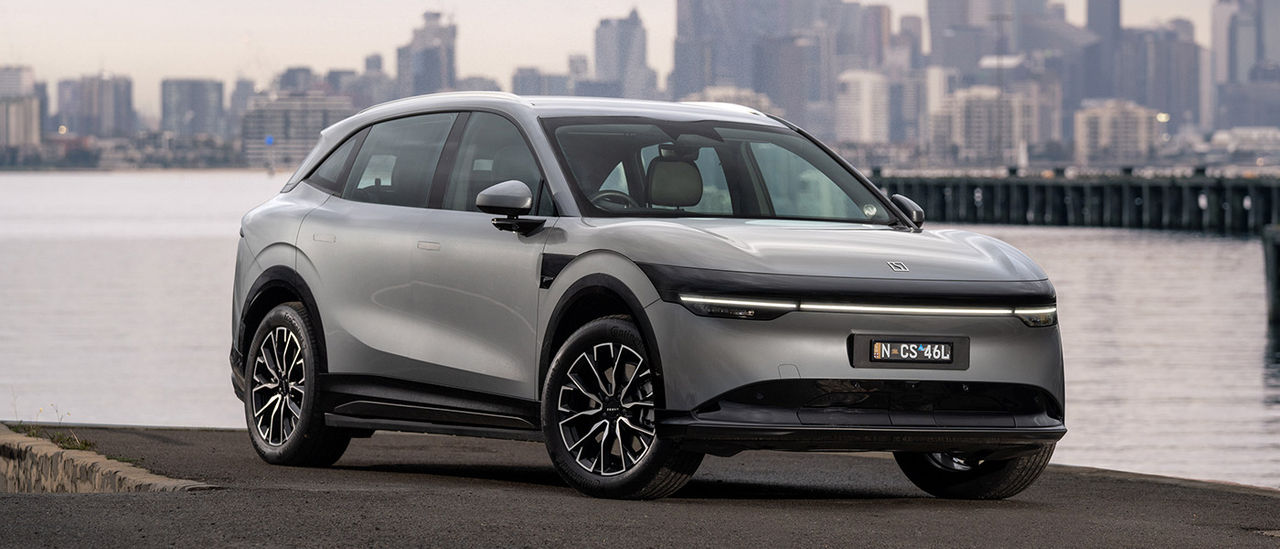
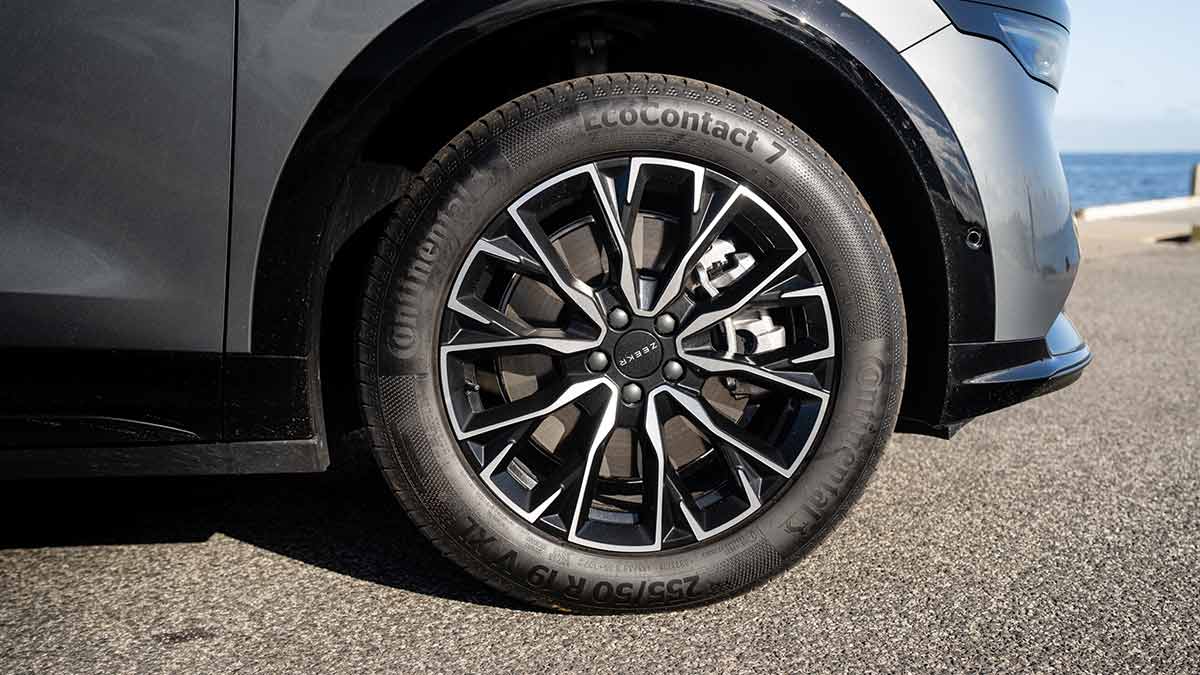
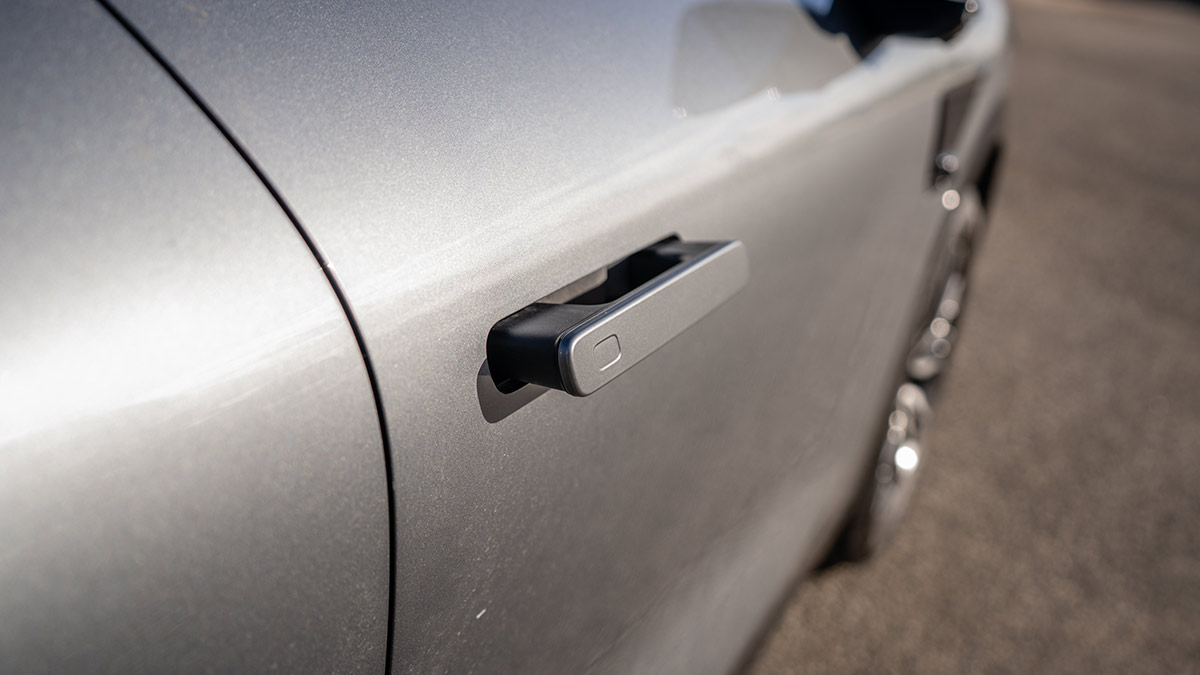
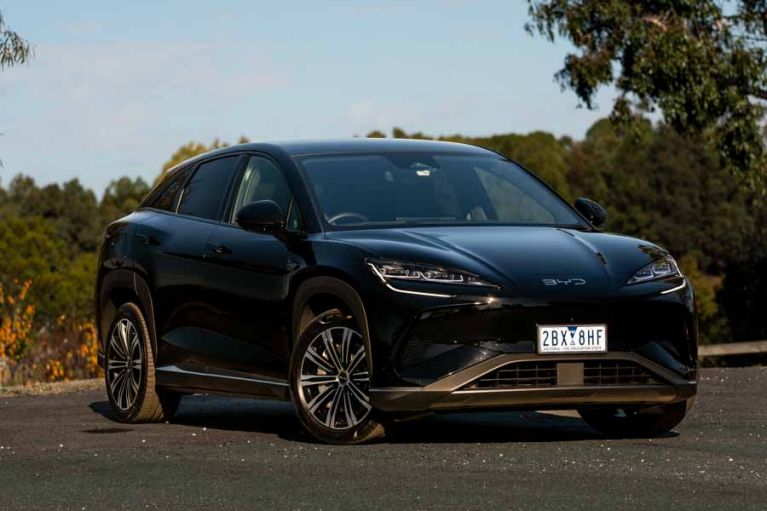
See our specs comparison between 7X and Model Y (written when the 7X was launched), but attention grabbers at first sight on the 7X RWD include its panoramic glass roof, frameless doors, electric pop-out doorhandles and 19-inch multi-spoke alloy wheels. The Tech Grey premium paint on our test car adds $1500.
For servicing costs, Zeekr Australia hasn’t been able to confirm whether prices have risen in recent months. Based on 12-month/20,000km intervals, the capped price servicing scheme covering the car was set at $2385 in total up to five years/100,000km.
There were only 17 dealerships in the Zeekr network at the time of writing, which is worth factoring in when considering the practicalities involved with servicing, parts, repairs, etc. The basic factory warranty is five years (with unlimited kilometres for private use), extending to eight years/160,000km for battery components. This includes battery state of health (SOH) remaining at 70% original capacity or higher.
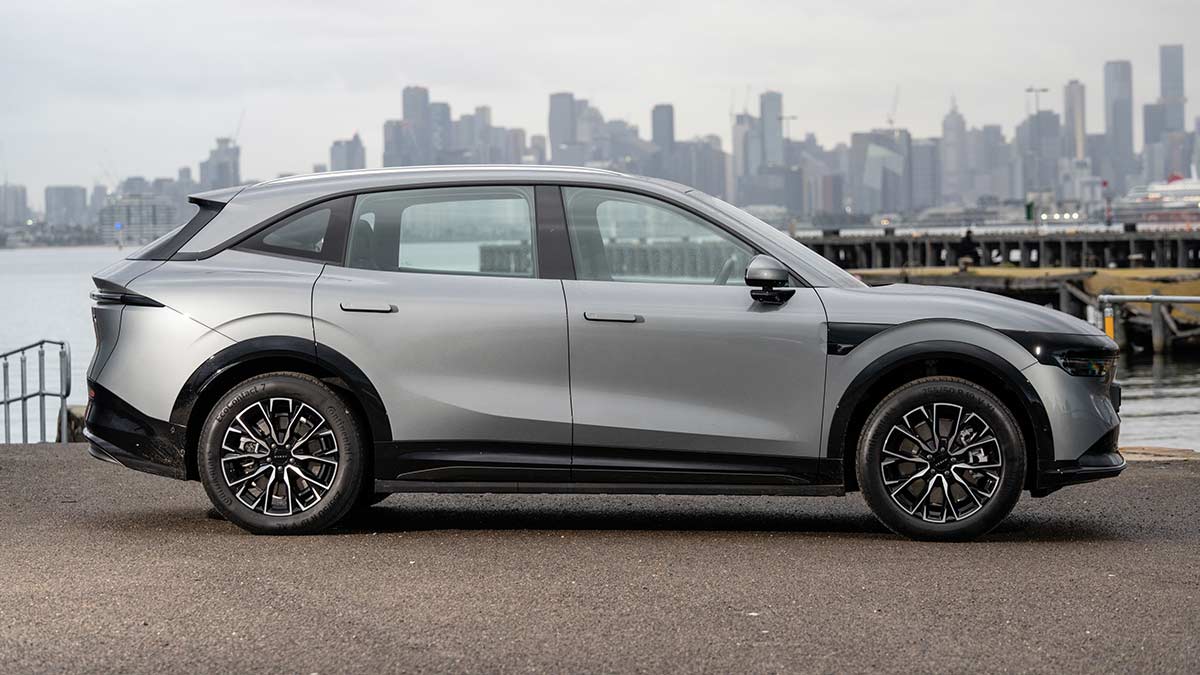
The Zeekr 7X has a 2900mm wheelbase, 10mm longer than Tesla Model Y.
Zeekr 7X RWD has attractive 19-inch alloys with high-grade Continental tyres.
Pop-out electric doorhandles on Zeekr 7X RWD create some theatre.
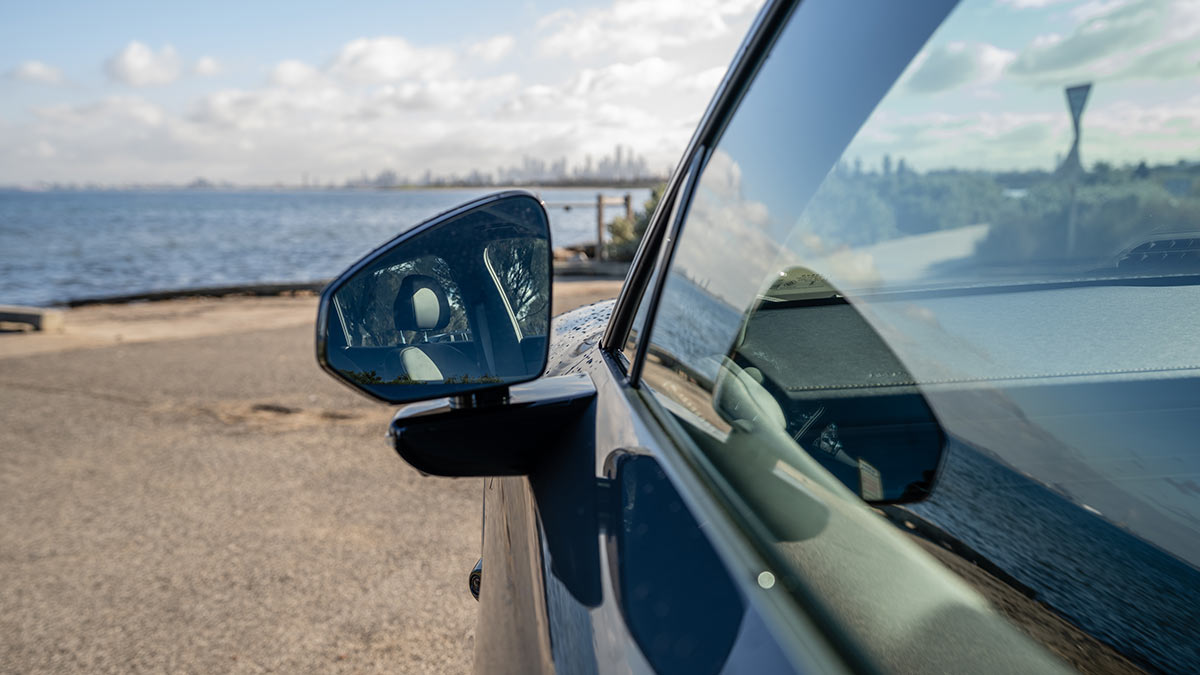
The Zeekr 7X has elegant and aero-optimised frameless exterior mirrors.
1 of 5
What is the Zeekr 7X RWD like inside and out?
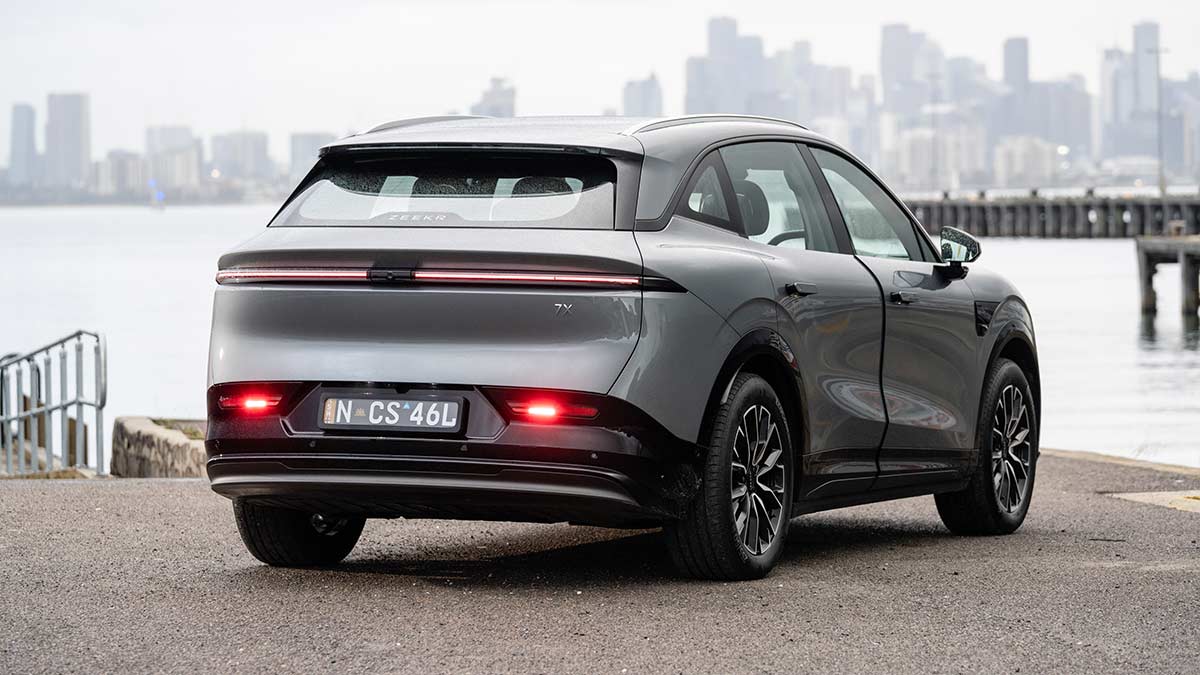
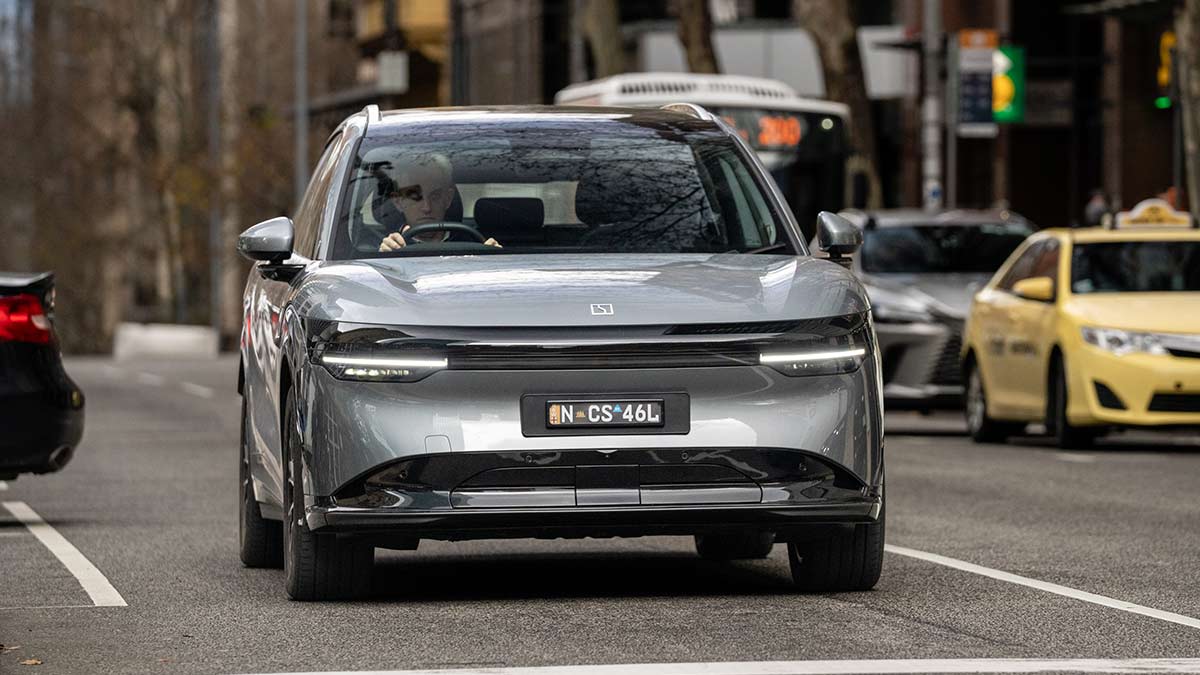
Swedish-bred styling, a sophisticated air, muscular haunches and fenders… the Zeekr 7X cuts a striking pose and that alone will get plenty of interested parties through the door.
And “through the door” is the next big impression the 7X delivers, providing an impressive entrée into the cabin as the electric backlit doorhandles spring to life in concert with the large, substantial-feeling power-assisted front doors.
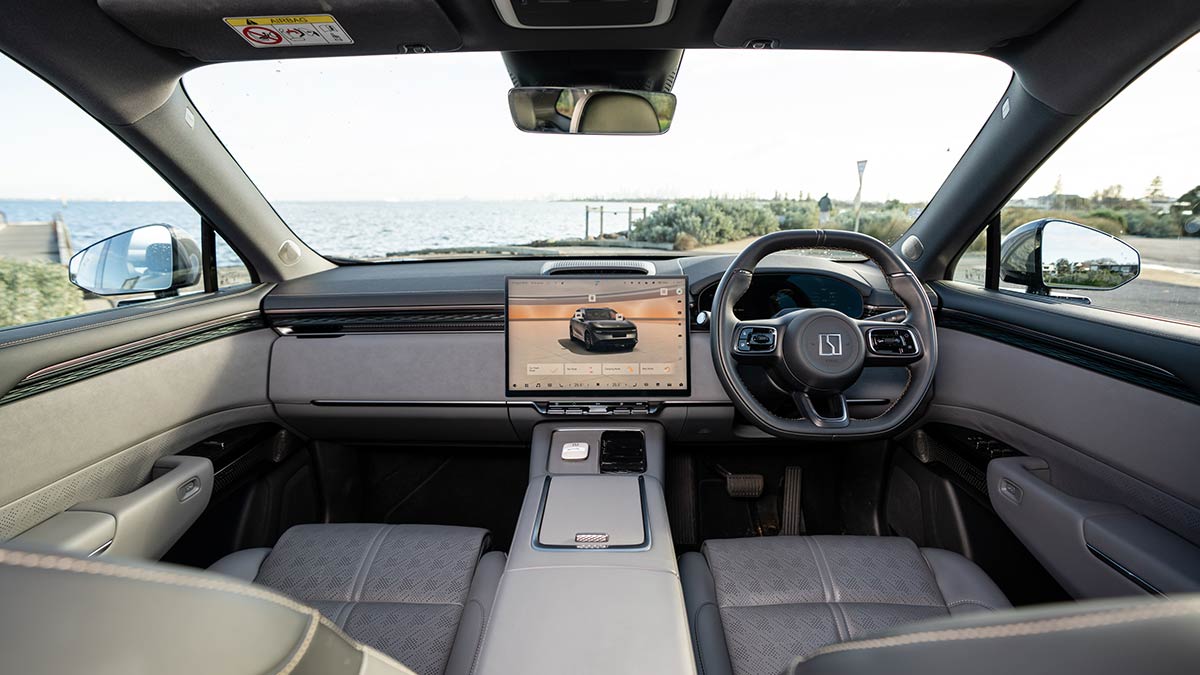
Once inside, the interior imparts a premium feel and has an exceptional fit-out that’s a match for cars costing much, much more. Attention to detail is evident in the clean, elegant design, nice ambient lighting, soft-touch materials, tactile switchgear and a few surprising elements – a dash switch for the glovebox opening, sunglasses holder in the doors, the simply cavernous centre console box.
The faux leather-lined front seats are more like lounge chairs, offering superb comfort and a vast range of adjustment, plus heating and three position pre-sets for both front occupants. There’s no massage function and no specific lumbar support for the front passenger, but no complaints heard from various people we drove around, either.
The 7X cabin isn’t a perfect arrangement, and drivers need considerable time to come to grips with essential controls. There’s a lot to learn, but a couple of weeks produced lasting impressions – both affirmative and negative – which makes us wonder how we’d ever reach a decision on whether to purchase the car with only a brief showroom visit and a drive around the block. Leap of faith? Uh-huh.
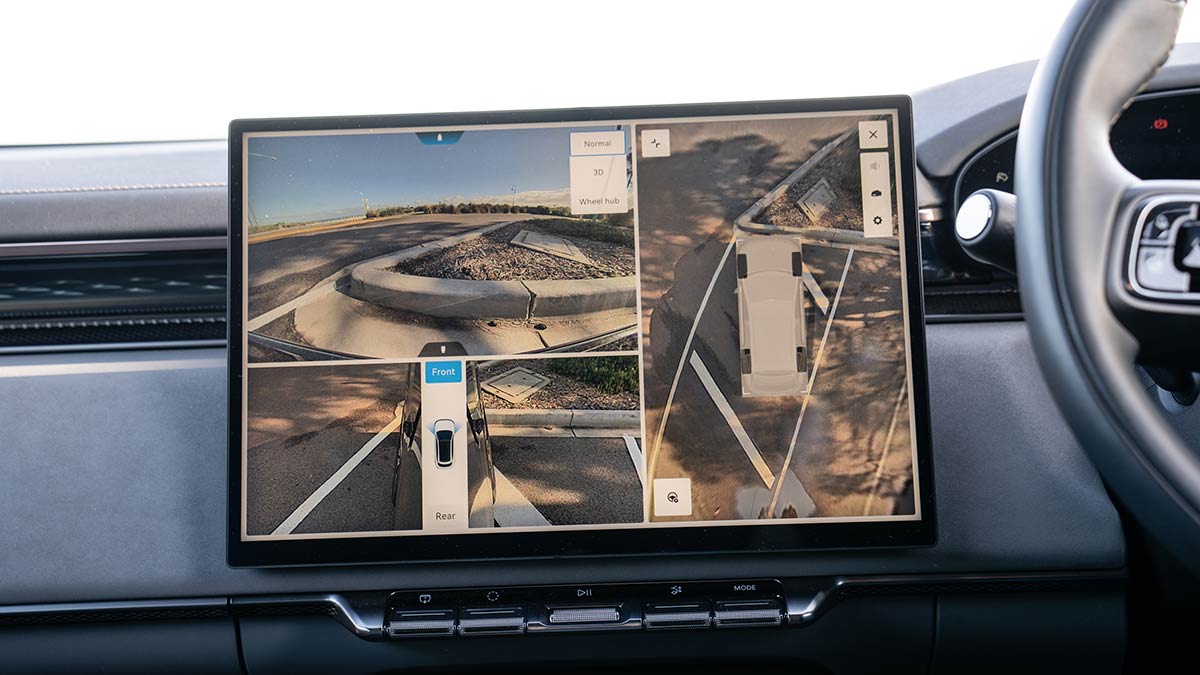
Other good stuff? The large 16-inch centre touchscreen has a high resolution for sharp graphics and exceptional 360-degree camera views, backed with a solid dose of processing power for moving through screen menus with ease.
A strip of shortcut buttons is close to hand on the main screen – albeit obscured from view in this driver’s seating position – while the steering wheel switches include air-con temperature and fan speed. Alas, the cohesion is lost when wanting air recirculation (move to the lower dash strip of hard buttons) or a deeper level of climate control (more touchscreen menu diving).
It’s also a case of screen tapping and swiping to adjust other common controls such as brake regen, one-pedal driving or Sport steering mode (Sport acceleration has a shortcut), but when the car is parked and there’s a simple need to open the roof or charging flap, recline the seats or revel in a raft of other neat functions, the touchscreen controls work a treat.
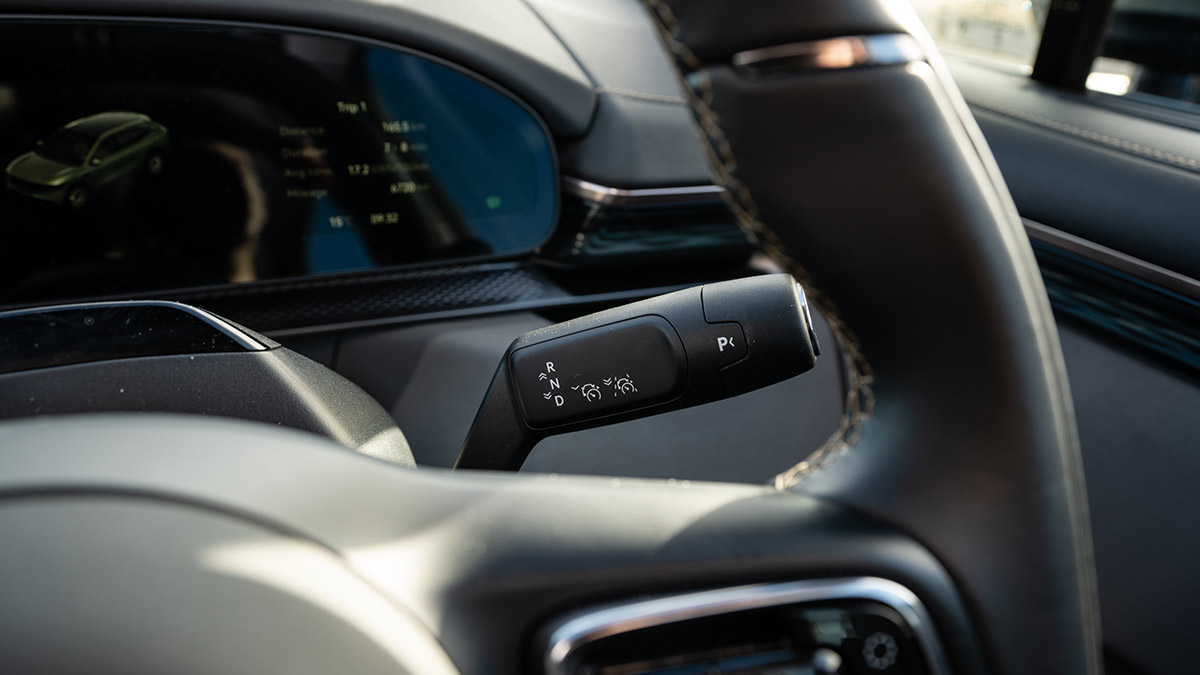
On the move, the driver has lots to contend with. Some other disappointing aspects include small instrument panel graphics for important items like speed and driving range (there’s no head-up display at this grade), and the unnatural combination of gear controller and cruise control on the same steering column-mounted stalk.
The window switches also have a counterintuitive action (push up to lower, pull back to raise) and no auto up/down unless Zeekr’s voice assistant is called in to handle the task – a job it manages without problem, unlike other tasks… (headlights, driving modes, etc)
You can’t, and shouldn’t, leave it all up to the car. We just wish the 7X – and a lot of its compatriots – made life easier for the driver.
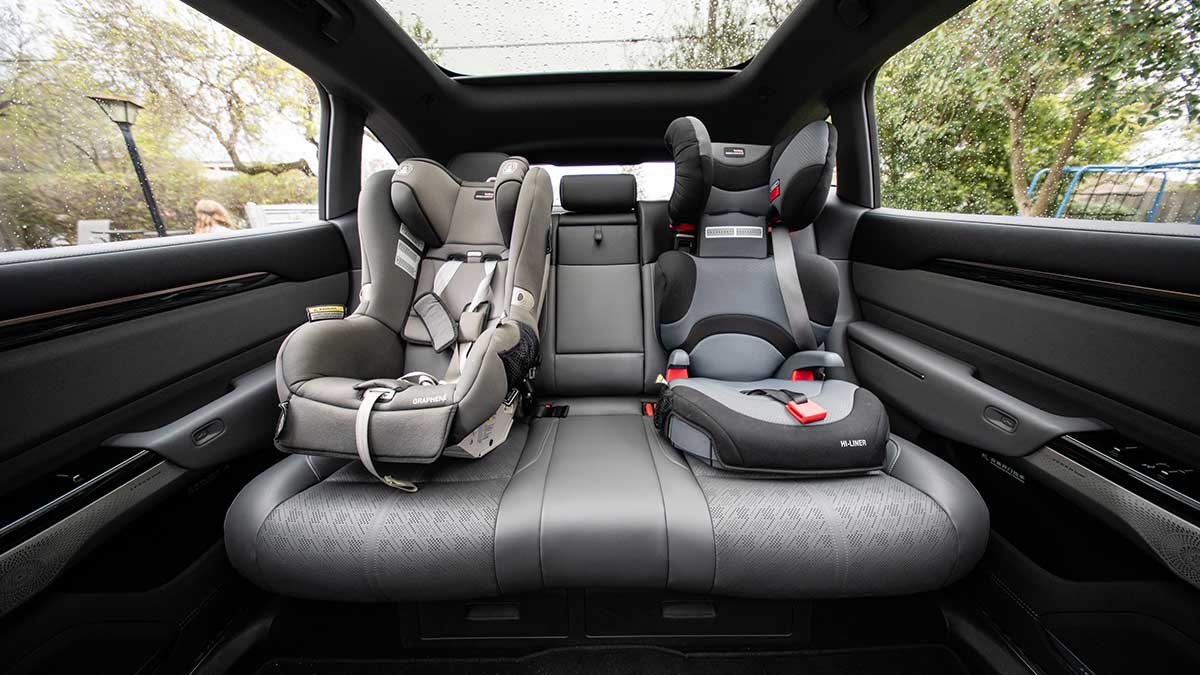
Everyone else in this SUV is doing just fine, whether it’s lounging around in comfort or sprawling out across the rear bench, where people in the outboard seats can warm their tush, finetune backrest position with electric assist, adjust the pillar-mounted air vents and charge their devices via USB-A and -C points in the fold-down centre armrest.
There’s a plethora of rear seat space and storage places, including two drawers under the bench, and it’s impossible not to love the ripple-effect ambient lighting and the view out the glazed roof. But the centre seatback is hard (the armrest factor), and we’re left wondering about the camera aimed across the back seat and the footage being captured, taking some gloss off an atmosphere which, in many ways, is little short of limo-like.
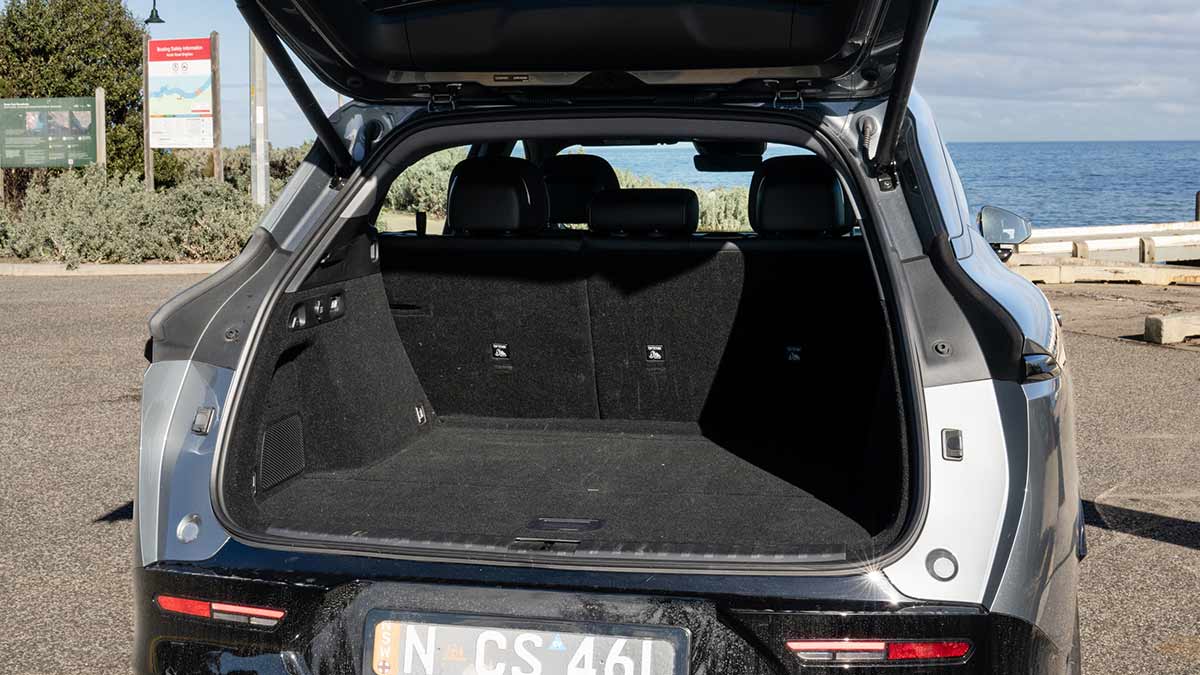
Just as getting into the rear seat area is made easier with the doors opening almost 90 degrees, the power tailgate can remember the opening angle and simplifies access to the boot, where there’s good space and more fine detail points such as multiple lighting points, side trim lining, useful under-floor storage (including a deep well for charging cables) and simple rear seat split-folding.
A retractable luggage blind was not fitted to our test car but there’s provision for one with the side trim mouldings. And as with most EVs, there is no spare wheel, but there is a useful frunk for another big tick in the storage department.
Interior fit-out, design and packaging in the Zeekr 7X RWD is excellent.
Lots of camera support provided for tight manoeuvres and parking in Zeekr 7X.
Zeekr 7X drivers will need to get used to the gear selector and cruise control stalk.
Generous rear seat area in Zeekr 7X makes it a suitable EV for families.
High attention to detail is also evident in the cargo area of the Zeekr 7X.
1 of 5
How does the Zeekr 7X RWD drive?
Just as it does in other areas, the Zeekr 7X RWD feels solid on the road. It’s not as engaging to drive as the Tesla Model Y but does strike a reasonable balance between roadholding and ride comfort while delivering high levels of refinement.
Indeed, the 7X does a sterling job isolating its occupants from road and wind noise, proving an excellent tourer. It moves through heavier traffic with ease and, despite weighing about 2.3 tonnes, never feels cumbersome.
The steering is a good match and it’s simple to park, but rearward vision isn’t great. At least the 360-degree camera views on the touchscreen are crisp, helping with low-speed manoeuvres.
On winding roads, the 7X delivers confident handling and measured responses, and while the electronic traction aids are quick to engage when losing grip in the wet, for example, it’s not a crass or overbearing intervention.
Acceleration in Comfort mode is sufficient in everyday driving, not vigorous but more than adequate with 310kW of power and 440Nm of torque on tap from the single electric motor. Sport mode brings a stronger response through the accelerator, making it hard to resist, but the need to menu-dive for sportier steering dampens the mood.
One-pedal driving is available but, again, requires some fiddling from the driver to set regen to ‘strong’ rather than ‘standard’ to deliver the goods. It underscores the constant need to interact, refine, reconfigure settings with the 7X – dare we mention the word ‘distract’? – to achieve desired results.
Driving into fog near the summit of Mt Macedon also produced no response from the 7X, not switching on automatic low beam let alone the fog lights. Manual lighting adjustment does, of course, require another trip back into the main screen, with the voice assistant apologising (once again) for not being able “to master this skill”. Zeekr should stop saying “sorry” and just work on this stuff.
Overall, the most pleasing aspect of the 7X drive surrounds its range and recharging. The 75kWh LFP battery has a claimed 480km range on the WLTP combined cycle, which equates to energy consumption of 15.6kWh per 100km. Over two weeks of city living, with a couple of country drives thrown in, we returned 18.2kWh/100km.
Our patterns meant 420km was a realistic range, while the SUV’s 800-volt electrical system (which can handle DC charging up to 450kW) was a bonus at public fast-charging stations. For example, a 30-100% top-up took around 25 minutes, reaching speeds up to 204kW.
On-road refinement is one of the Zeekr 7X RWD’s best attributes.
How safe is the Zeekr 7X?
Earlier this year, the Zeekr 7X received a maximum five-star ANCAP safety rating, based on testing conducted overseas in 2025. Assessment protocols are now tougher, meaning the 7X might not achieve the same result given it does not have features that have a higher weighting in the revised standards, such as automatic collision notification with emergency call (eCall).
That said, the 7X achieved high scores for both adult and child occupant protection, with maximum points awarded in side impact and oblique pole crash tests. With driver assist tech (ADAS), the SUV was marked down for its driver fatigue monitoring system not meeting ANCAP requirements.
Across our test, ADAS calibration presented no major issues, but as mentioned earlier, the active cruise control can be awkward to operate. Traffic sign recognition was also not a feature on the instrument panel of our test car, despite specifications indicating it should be there.
There’s a lot in the 7X RWD that inspires confidence, although we’re mindful Zeekr is a new brand that hasn’t been in the market long and has only a limited dealer network. It runs its own show in Australia, separate to other Geely group brands, but remember how people took a punt on Polestar? In only a few short years, Polestar is now a well-respected luxury brand.
It’s not hard to see why the 7X is so popular. And notwithstanding the need for some people to change habits formed over a lifetime of driving, it’s hard to argue against.
The information provided is general advice only. Before making any decisions please consider your own circumstances and the Product Disclosure Statement and Target Market Determinations. For copies, visit racv.com.au. As distributor, RACV Insurance Services Pty Ltd AFS Licence No. 230039 receives commission for each policy sold or renewed. Product(s) issued by Insurance Manufacturers of Australia Pty Ltd ABN 93 004 208 084 AFS Licence No. 227678.
Want more articles like this?
Subscribe to RACV News for advice on cars, safety, home and travel.