
Hire a car with confidence on your next Australian or international holiday with these tips on how to choose the right vehicle, save money and avoid common pitfalls.
New Zealand





Australian Consulate help in NZ
Consulate-General, Auckland
Final tips for Australians travelling to New Zealand
New Zealand travel advice and safety guide
Planning your Kiwi adventure? Here is a tailored guide to everything Australian travellers need to know about spending time in New Zealand, from healthcare and safety precautions to visas and travel tips.
A trip to New Zealand is nothing short of extraordinary. From the snow-capped Southern Alps to the lush rainforests and endless beaches, the best places to visit in New Zealand offer breathtaking scenery and unforgettable experiences. Whether you're skiing in Queenstown, going on a boat cruise in the Bay of Islands, sipping wine in Martinborough, or exploring Māori culture in Rotorua, New Zealand delivers adventure, serenity, and charm in equal measure.
With a bit of planning, your New Zealand adventure will be seamless and spectacular. Ready to go?
RACV Travel & Experiences is your one-stop shop for travel, with RACV Members saving on tours, cruises holiday packages, travel insurance and more.
Do Australians need a visa for New Zealand?
Australia has a reciprocal agreement with New Zealand so there is no need for Australian citizens to get a visa to visit New Zealand. This applies to tourism, work and study trips.
When arriving in New Zealand, Australians receive Resident Visa status due to the Trans-Tasman Travel Arrangement. Some international visitors are required to hold an NZeTA but Australians do NOT.
Important: You need to carry a valid Australian passport when you are travelling from Australia to NZ.
More: How to keep your passport safe when travelling overseas
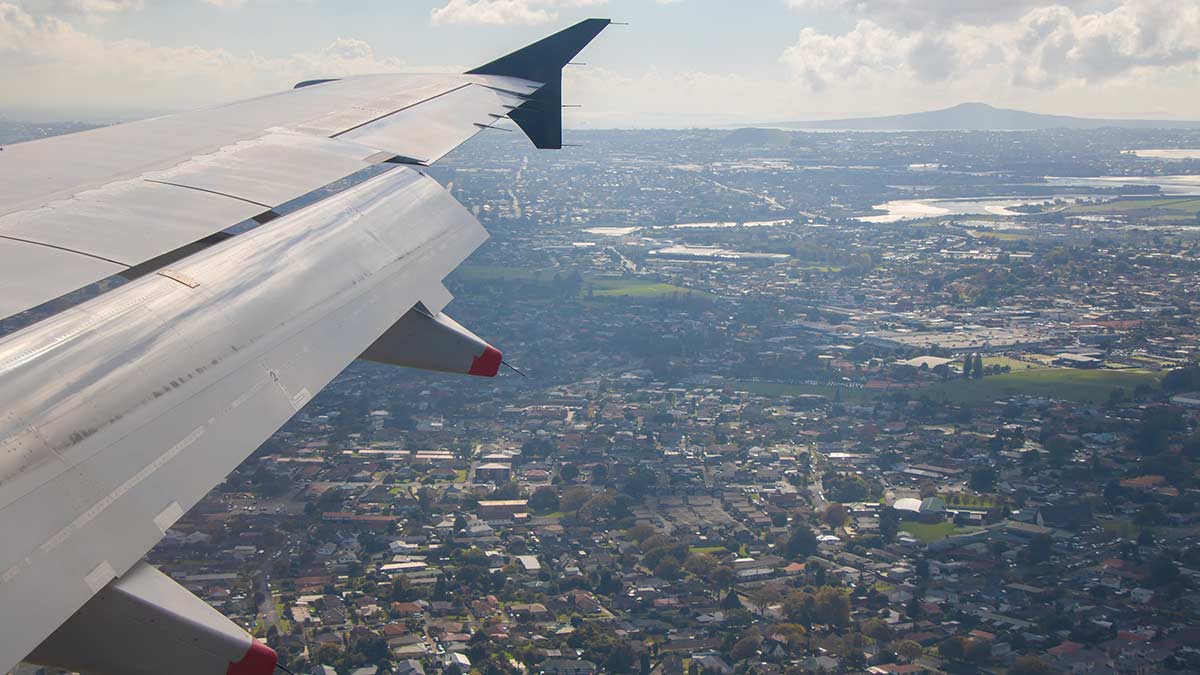
When you fly into Auckland you get a wonderful view of the harbour city. Image: Getty
Entering New Zealand from Australia
Most Australians fly into New Zealand’s major airports: Auckland International Airport (AKL), Wellington Airport (WLG), Christchurch International Airport (CHC) and Queenstown Airport (ZQN).
Australian departure ports are: Sydney, Melbourne, Brisbane, Perth, Adelaide, Hobart, Canberra, Cairns, and Auckland (for return flights).
Cruises to New Zealand are also popular, with stops included at ports such as Auckland, Wellington, Christchurch (Lyttelton) and Dunedin (Port Chalmers), depending on the itinerary.
Note: New Zealand is an island so Australian travellers must comply with strict biosecurity rules. NZ Customs requires travellers to declare all food, plants and outdoor gear upon entry to the country.
Everyone travelling into New Zealand, including New Zealand passport holders, must complete a traveller declaration. It is free and you can fill in the online form or do it via the NZTD app. Beware of scam websites. If you asked for credit card details, you're on a fake website.
Find out more about your destination
Stay connected in New Zealand with a SIM card or roaming service and take photos of the remarkable vistas, such as this one atop Mount Eden in Auckland. Image: Getty
Staying connected in New Zealand
To stay connected to friends, family and work back home while you’re travelling around New Zealand there are several simple options to suit a range of budgets and data requirements.
Can I use an Australian SIM card in New Zealand?
Yes, you can. Most Australian mobile phone companies provide data roaming plans for those travelling in New Zealand. This is the more expensive way to pay for roaming services but it is also the easiest. Just switch your phone on when you arrive. Your number stays the same and your account is charged. You will need to investigate the daily or weekly international roaming rates with your provider before you leave the country.
- Popular Australian Providers with NZ roaming: Providers like Telstra, Optus and One NZ offer reasonable roaming plans at around $5 per day that won’t break the bank.
- Tip: To avoid excessive charges, you can toggle your mobile data on and off and use hotel and business centre wifi when you know it’s safe to do so.
Buying a New Zealand SIM card
- Top NZ providers: Look for the best deals with companies like Spark, Vodafone NZ and 2degrees.
- Where to buy:
- There are SIM card kiosks and vending machines at all international Airports (Auckland, Wellington, Christchurch).
- You can also purchase SIM cards at supermarkets, convenience stores, and mobile phone shops across the country. - Prepaid SIMs: Data bundles with affordable plans starting from around NZD $10–20 are a great option for travellers who need data, calls, and texts.
- Activation: To activate instantly, visit the company’s website and complete the online registration process or simply insert a physical SIM card and follow the prompts.
eSIM options
- In New Zealand eSIM technology is up to date, so if your phone allows the use of eSIM, simply buy an NZ eSIM and activate it from your phone. You won’t need to worry about swapping the physical SIM card.
- Short-term plans are available with providers like Airalo and other local NZ carriers for travellers.
Mobile Coverage
- 4G/LTE coverage is available in all major cities and tourist hotspots and is usually pretty reliabe.
- In rural and mountainous areas things can be more patchy and service may be limited so ensue you know before you go, especially if you’re hiking, kayaking or skiing in remote areas.
Rotorua in New Zealand's North Island is a place where you can gain a deeper understanding of Māori culture and history. Image: Getty
New Zealand travel advice & local laws
Alcohol & smoking
- The minimum age for alcohol consumption is 18 (the same rules apply as for Australia). The legal age for smoking and vaping is also 18 years.
- Smoking is not allowed in indoor public spaces, and all workplaces, specifically bars and restaurants.
Drugs
- Unlike some parts of Australia, recreational cannabis use is still illegal in NZ.
Local Customs
- New Zealanders have a deep and abiding respect for Māori culture and the Māori language is regularly used in official and casual contexts across the country.
COVID-19
- There are no quarantine requirements in place for Australians at this time, but rules may change so you’ll need to check for updates before you travel. If you test positive for COVID-19 whilst in New Zealand it is recommended that you isolate for five days.
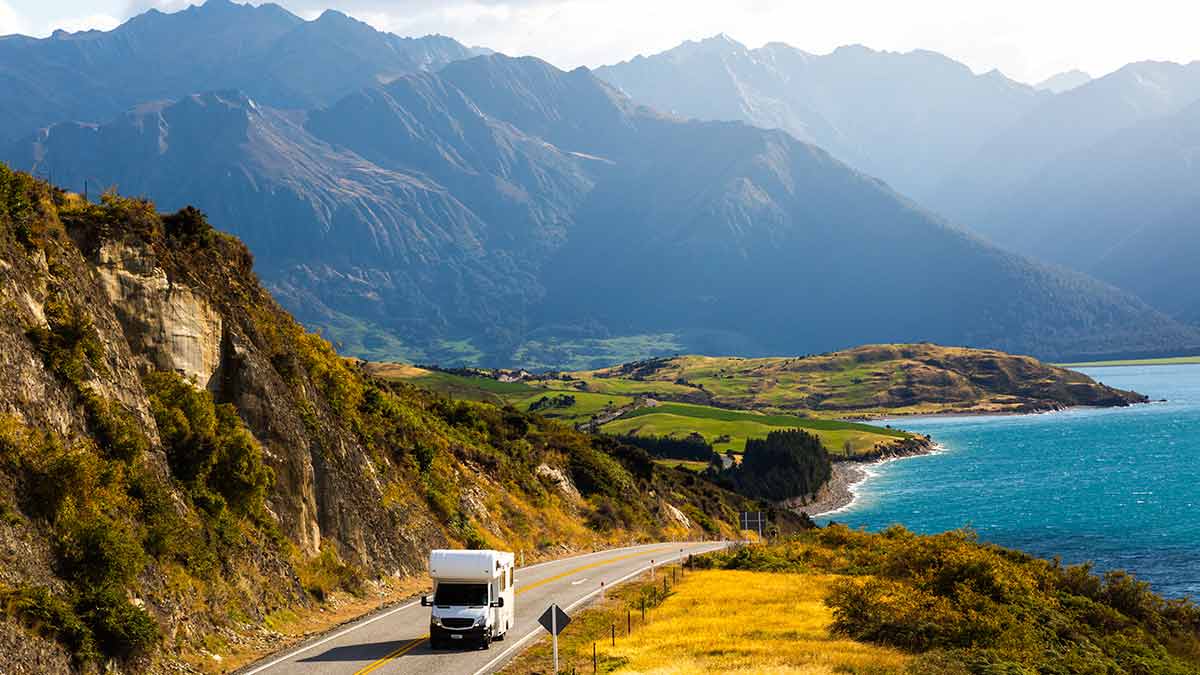
New Zealand is a fabulous country to explore by car or campervan, with easy access to picturesque destinations like Lake Hawea in the South Island. Image: Getty
Is New Zealand safe to travel?
Australian travellers find NZ a very safe place to holiday, but there’s always an element of risk when away from your home country:
- Weather & outdoor safety: Conditions can change quickly in New Zealand. When you’re engaging in outdoor activities make sure you’re prepared for inclement weather—especially if you’re going hiking or participating in water-based activities.
- Crime: The risk of being a victim of crime in New Zealand is low but travellers should take the normal precautions and use safes for valuables and be mindful about locking car doors.
- Emergency number: Call 111 if you need emergency assistance.
More: Best anti-theft bags & avoiding pickpockets when travelling
Driving & transportation tips for Australians
- Kiwis drive on the left-hand side of the road, the same as we do in Australia.
- You can legally drive with a valid Australian driver’s licence for up to 12 months. You do not need an International Driving Permit (IDP) if your driver's licence is in English; however, you do need either an IDP or an English translation of your licence if it is not in English.
- The roads in some parts of New Zealand are winding and narrow, and contain one-lane bridges so be aware and alert when driving.
- The speed limit is 100 km/h on highways and 50 km/h in towns and villages.
- If you’re renting a campervan or car you’ll need to book in advance, especially during peak seasons. Don’t forget to book caravan parks in advance too.
RACV Members can explore New Zealand with year-round savings on campervan hire and discounted car hire
You'll find rainforest walks throughout New Zealand. Stay safe and always check the weather forecast, inform someone of your plans, and stick to the marked trails. Image: Getty
Do I need travel insurance for New Zealand?
New Zealand may be only “across the ditch”, but cancelled flights, lost luggage, medical emergencies and natural disasters still occur, which is why it’s worth considering travel insurance.
Australia’s Reciprocal Health Care Agreements (RHCAs) with New Zealand only allows Australian residents access to limited, essential medical treatment if they fall ill or have an accident while visiting. In addition, many pre-existing medical conditions are excluded from reciprocal coverage altogether.
Reasons to consider travel insurance for your next New Zealand visit or holiday may include:
- Cover for medical emergencies and evacuation circumstances
- Additional cover for sports activities, such as skiing
- Cruise cover, if applicable
- Protection against trip cancellation or lost luggage.
The benefits of travel insurance can differ between policies and levels of cover. Before purchasing any travel insurance, it is recommended that you carefully read the Product Disclosure Statement (PDS). The PDS outlines exactly what is and isn’t covered, including any exclusions, sub-limits, and conditions that may apply. This ensures you are fully informed about your policy’s scope and any situations where you may not be covered.
More: Countries with reciprocal healthcare agreements when travelling overseas
Luggage Rules & Customs for Aussies
- The standard baggage allowances on all flights between Australia and NZ range from 23kg to 30kg.
- You’ll need to clean your hiking boots and any outdoor equipment due to New Zealand’s strict biosecurity rules.
- Make sure you declare any food or plant material that could carry pests or diseases. Customs may issue fines if you don’t.
More: What happens with lost or stolen luggage at the airport?
If you need consulate help in New Zealand, you'll find the Australian High Commission in Wellington. Image: Getty
Useful apps & emergency contacts in New Zealand
Apps recommended for Aussie travellers:
- CamperMate – Gives you information about camping, toilets on the road and petrol stations.
- MetService NZ – For up to the minute weather reports.
- AA NZ – Gives specific information regarding road rules and driving advice.
Emergency Numbers:
- For Police, Fire and Ambulance call 111
- Healthline: 0800 611 116 – For free health and wellness advice
Australian Consulate help in NZ
Australian High Commission, Wellington
- Address: 44 Hill Street, Thorndon, Wellington
- Phone: +64 4 473 1040
Consulate-General, Auckland
- Phone: +64 9 356 6000
Consulate-General, Christchurch
- Phone: +64 3 378 4880
The consulates can help Australian travellers with emergency assistance like renewing lost passports, finding legal representation if needed and in the event of a natural disaster.
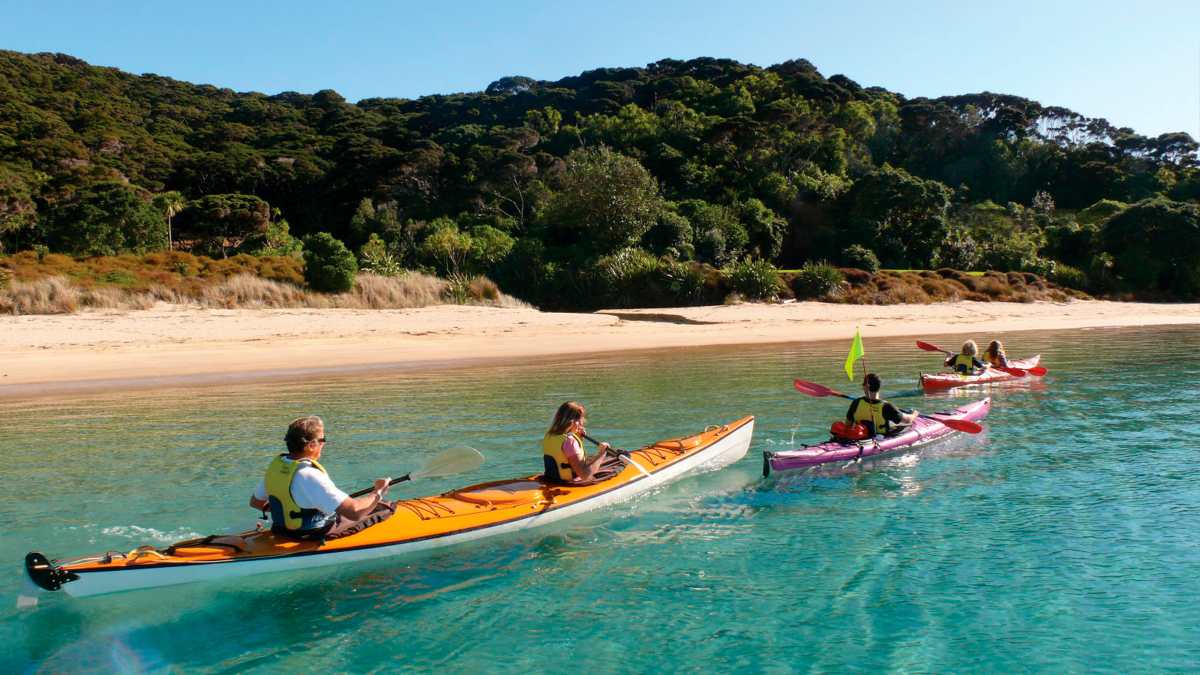
The best time for outdoor activities, such as kayaking, in New Zealand is summer, from December to February. Image: Getty
Frequently Asked Questions about New Zealand
Do I need a visa or NZeTA?
No. Australia has an agreement with NZ and have visa-free access. If you have an Australian passport, you don’t need an NZeTA (New Zealand Electronic Travel Authority).
However, Australian permanent residents on a foreign passport will need a visa or NZeTA to enter New Zealand, as they are not Australian citizens. The specific requirements depend on your country of origin and whether you hold an Australian permanent resident visa or a different type of temporary Australian visa. See if you need a visa using the Visa Tool Test on the New Zealand Immigration website.
Can I use my Medicare card in New Zealand?
No, Medicare does not cover healthcare costs in NZ. Australia’s Reciprocal Health Care Agreements (RHCAs) with New Zealand only allows Australian residents access to limited, essential medical treatment if they fall ill or have an accident while visiting. For broader medical cover, you need travel insurance. Always remember to read the policy's Product Disclosure Statement (PDS), which outlines exactly what is and isn’t covered, including any exclusions, sub-limits, and conditions that may apply.
Can Australians work in New Zealand?
Yes, Australian citizens have the right to work and live in NZ under the Trans-Tasman Travel Arrangement.
Is it safe to drink tap water in NZ?
Yes, you can drink safe, clean NZ water from any tap in urban areas. However, check for signs in more isolated locations and treat any water from lakes or rivers before drinking, often by boiling or filtering.
What’s the best time for Aussies to visit NZ?
The best time for outdoor activities is summer (December-February); for skiing and snowboarding, visit during the NZ winter (June-August).
Do I need a passport to go to New Zealand?
Australian citizens need a valid passport to travel to New Zealand, although they do not need a visa or an NZeTA. The passport must be valid for at least the date of entry, and valid for your entire stay.
When does it snow in New Zealand?
Snow typically appears between June and October. Most snow in New Zealand falls in the mountainous areas, such as the Central Plateau in the north, and the Southern Alps in the south.
Mount Ruapehu is New Zealand's largest commercial ski resort in the North Island. Queenstown and Wānaka are popular ski destinations in the South Island.
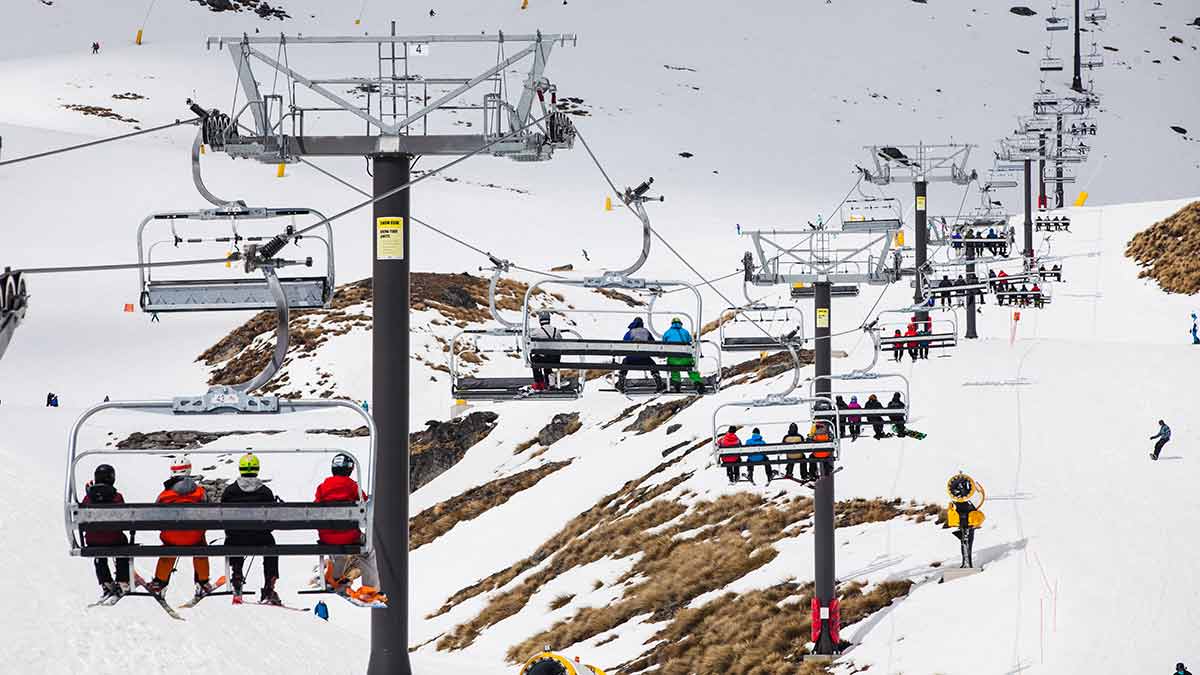
If you're hitting the snowfields in New Zealand, having travel insurance can help manage unforeseen events. Image: Getty
Quick travel checklist for Australians
- Valid Australian passport
- Travel insurance
- Clean and declare outdoor gear at customs
- An Australian driver’s licence for car and motorhome rentals
- Know the numbers for the emergency services and the Australian consulate
More: When to book travel insurance
Final tips for Australians travelling to New Zealand
- You must respect local customs and all biosecurity regulations.
- Be prepared for any weather conditions. Things can change quickly from hour to hour so if hiking or camping, stay vigilant.
- You need to have your passport when entering and exiting NZ, even though you have visa-free access. It may be needed as ID when purchasing alcohol in the country too.
- If you are participating in any adventure sports activities like skiing, snowboarding, bungee jumping you’ll need specific, high risk travel insurance.
- Make sure you read the Product Disclosure Statement, so you understand the limits and exclusions.
The information provided is general advice only. Before making any decisions please consider your own circumstances and the Product Disclosure Statement and Target Market Determinations. For copies, visit racv.com.au. Royal Automobile Club of Victoria (RACV) Ltd AR 001243563 is an authorised representative of the issuer and receives commission for each policy sold or renewed. RACV Travel Insurance issued by Tokio Marine & Nichido Fire Insurance Co., Ltd ABN 80 000 438 291 AFSL 246 548. Terms & conditions apply, refer to the PDS.

