
Compare basic vs comprehensive travel insurance to learn what basic travel insurance covers, what comprehensive travel insurance is, and whether basic travel insurance is enough.
International




Bali travel guide and safety advice
Planning a trip to Bali? This guide covers key things Australians should know before visiting the popular Indonesian island, from entry requirements and local laws to health, safety and transport tips.
More than 1.3 million Australians visit Bali every year, drawn to the Indonesian island's beaches, food, culture, scenery and welcoming hospitality. Like any overseas destination, taking time to understand local laws, customs and expectations can help make your trip smoother and more enjoyable.
Being respectful at temples, in local communities and when using roads, beaches and public spaces is an important part of travelling responsibly.
RACV Travel and Experiences is your one-stop shop for travel, with RACV Members saving on tours, cruises, holiday packages, travel insurance, and more.
Do Australians need a visa for Bali?
Australians visiting Bali for tourism generally need a Visa on Arrival (VOA) or e-Visa (e-VOA) on Arrival. Different visa types apply for work, study or long-term stays. The VOA and e-VOA cost IDR 500,000 (about AUD $50 as of July 2026).
For a faster airport experience, you can apply via the official e-visa website no later than 48 hours before departing for Bali. Alternatively, if you don’t mind lining up, you can apply at the airport on arrival.
- You’ll need a valid passport that has at least six months validity from your arrival date. Having six months validity from your expected departure from Bali is highly recommended.
- Bali also has a tourism levy of IDR 150,000 (about AUD $15) per person that all visitors must pay. You can pay via the Love Bali website or app.
- Complete the All Indonesia Declaration Form before travelling/arriving in Indonesia, using the official government website.
- Proof of onward travel is also required.
Entry requirements, local laws and travel conditions can change. Always check official Indonesian Government advice, your airline requirements and Smartraveller before departure. This article provides general information only and does not replace legal, medical, insurance or government advice.
More: How to keep your passport safe when travelling overseas
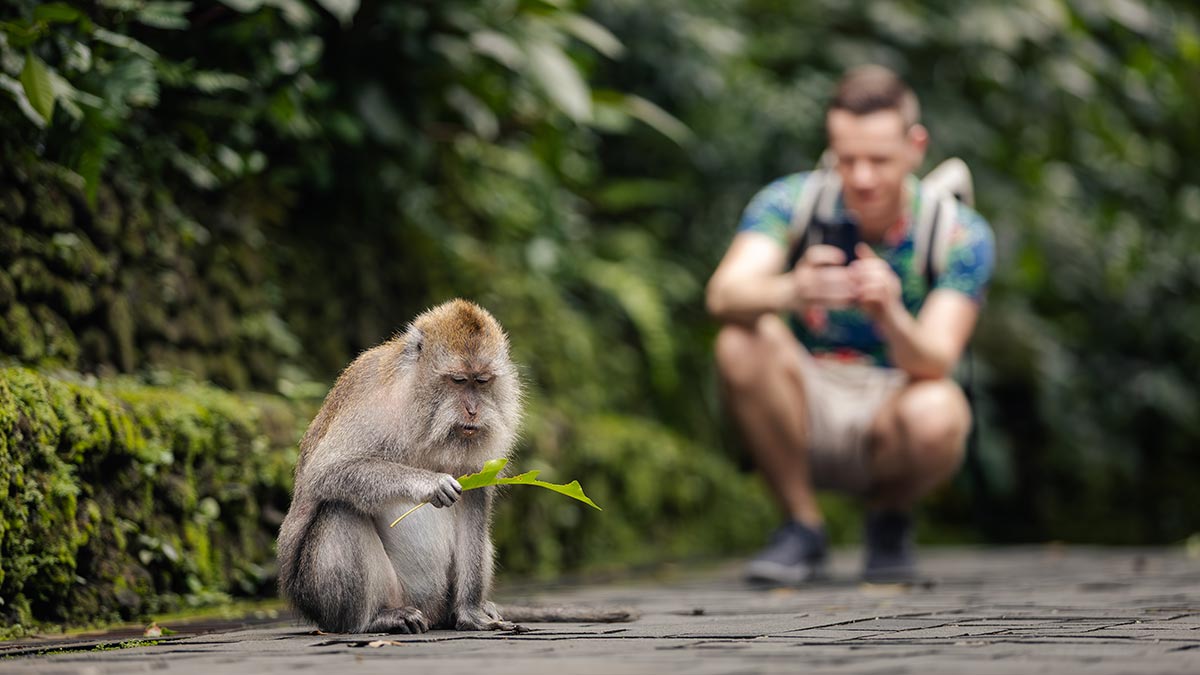
The monkeys may be cute, but take care: they’re also known to snatch wallets and other valuables. Image: Getty
Bali airport and entry point
Australians typically fly direct from Sydney, Melbourne, Brisbane, Perth and Darwin. They can also fly to Bali from Adelaide and Cairns, Avalon (near Geelong), Newcastle, Sunshine Coast and Canberra.
There’s only one international airport in Bali. All Australian flights enter Bali at I Gusti Ngurah Rai International Airport. It is usually referred to as Denpasar International Airport (DPS).
Airlines flying between Australia and Bali include Qantas, Jetstar, Virgin Australia, Garuda Indonesia, Indonesia AirAsia and Batik Air. Routes and schedules can change, so check directly with the airline before booking.
Bali currency: credit cards versus cash
Bali uses the Indonesian rupiah (IDR). Cards are accepted at many hotels, restaurants, beach clubs and larger retailers in tourist areas, but cash is still useful for local warungs (roadside stalls), markets, taxis or drivers, temple donations, parking, small shops and rural areas.
- Carry a mix of payment options: Use a debit, credit or travel money card for larger purchases, but keep enough rupiah for small daily expenses and places that do not accept cards.
- Use ATMs carefully: Choose ATMs attached to banks or located in secure, well-lit areas. Avoid machines that look damaged, have loose parts or are in isolated locations, and cover your PIN when entering it.
- Watch for fees and conversion prompts: Your bank may charge overseas transaction or ATM withdrawal fees. If a terminal or ATM asks whether to pay in Australian dollars or Indonesian rupiah, choosing rupiah may help avoid unfavourable dynamic currency conversion rates.
- Keep cash secure: Avoid carrying large amounts of cash. Keep some money separate from your main wallet and store backup cards securely at your accommodation where possible.
- Exchange money safely: Use reputable banks or authorised money changers, count your rupiah before leaving the counter and be cautious of exchange rates that look too good to be true.
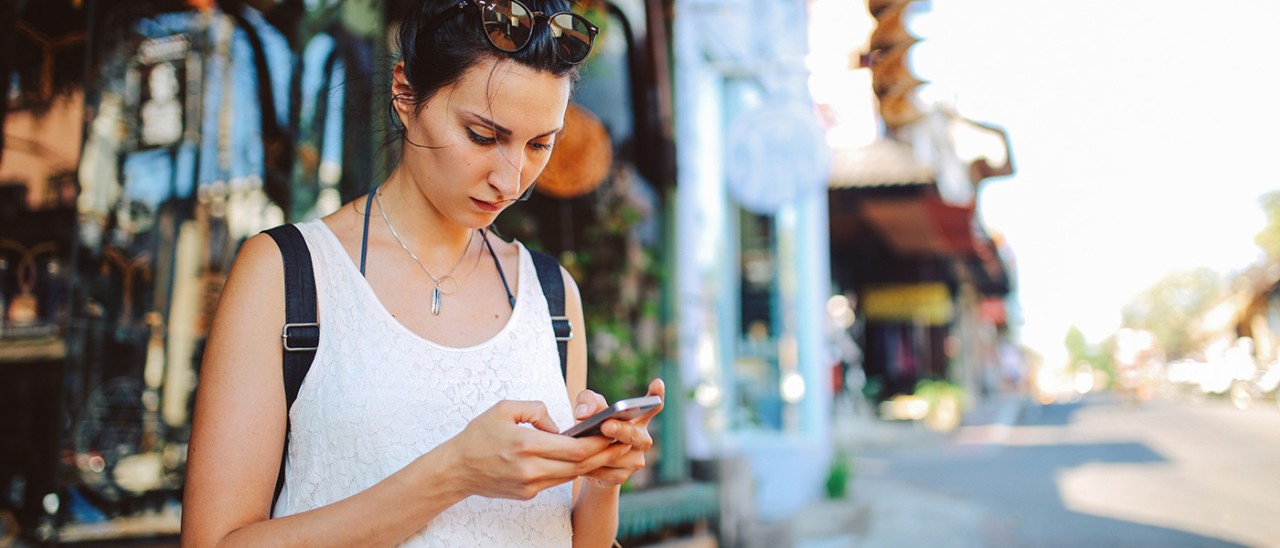
It’s generally easy to stay connected by phone in Bali, especially in tourist areas. Image: Getty
Staying connected in Bali
Many travellers want to stay connected to work or family while exploring Bali.
Using Your Australian SIM in Bali
Roaming: Australian mobile providers Telstra, Vodafone and Optus offer roaming plans for Bali at around $5-$10 per day. The amount of data provided can change so research international roaming packages with your service provider before you leave for your trip.
WiFi: Most hotels, cafes and restaurants offer free WiFi, so it is possible to stay ‘connected’ while in Bali without purchasing a SIM or using mobile data.
However, the Australian Cyber Security Centre (ACSC) advises that public Wi-Fi hotspots can be unsecured and may be used by cybercriminals to intercept sensitive information or set up fake networks that appear legitimate.
When travelling in Bali, avoid using public Wi-Fi for banking or entering personal details where possible; instead, use mobile data or a trusted private connection, turn off auto-connect, and forget public networks after use.
Buy a travel eSIM before you depart
For convenience, travellers can buy an Indonesia-compatible travel eSIM before leaving Australia. These are usually data-only and can be installed over WiFi before departure, then used once you arrive in Bali, depending on the provider’s activation rules.
- Good for short trips and popular tourist areas.
- Common providers include Airalo, Holafly and MobiMatter.
- Check when the plan activates, as some start when installed and others start when they first connect to a local network.
Option 2: Buy a local Indonesian SIM card or tourist eSIM
Travellers can also choose a local Indonesian SIM card or tourist eSIM, either online before arrival or after landing in Bali. This may suit travellers who want more data, hotspot use, broader local coverage or an Indonesian +62 number.
- Physical SIM cards can be purchased at Denpasar Airport, official provider stores or authorised resellers.
- Some tourist eSIMs can be arranged online before arrival through local providers or resellers.
- Registration requirements vary, but travellers may need to provide passport details and, for some eSIM products, their phone’s IMEI.
Mobile Coverage
Overall, the mobile network in Bali’s major tourist hotspots is very good with 4G coverage available around the island, and 5G increasingly available in tourist hot spots like Seminyak, Canggu, and Kuta.
Coverage is less reliable in remote or island areas. If you like following maps, make sure you download them before you leave your hotel for the day.
If you're using your Australian SIM, make sure you know what the international roaming cost are to avoid large bills.
Colourful costumes are often worn for temple ceremonies and cultural celebrations across Bali. Image: Getty
Bali travel advice & local laws
Alcohol and Smoking:
The legal drinking age in Bali is 21 (three years older than in Australia). You may need to show ID to purchase alcohol, or enter into nightclubs. (See advice on drink spiking below).
Smoking is legal for adults over 21 in Bali but it’s prohibited in indoor public spaces, government buildings, on public transport, in schools, hospitals, places of worship and children’s areas. Most restaurants and bars have a designated smoking area.
Vaping is allowed in areas where smoking is permitted.
Drugs
Indonesia has strict drug laws, including serious penalties for possessing, using or trafficking illegal drugs.
Drugs that may be legal or decriminalised elsewhere, including cannabis products, remain illegal in Indonesia. Penalties can be severe, even for small amounts. Drug laws apply to visitors as well as residents. Australian consular officials can provide limited assistance, but they cannot override local law or secure your release if you are arrested.
If you take prescription medication, check the advice in the section below, Overseas medical emergencies & healthcare for Australians.
Local Customs
About 85 per cent of the people in Bali are Balinese Hindu. This religion is a combination of Indian Hinduism, Buddhism, and indigenous animism.
Be respectful: don’t step on, or over, the religious offerings (Canang Sari) you see on the streets.
Cover your shoulders and knees if you're entering a temple, remove your shoes if entering someone’s home and avoid public displays of affection.
COVID-19
At the time of writing, there were no COVID-19 entry restrictions for Indonesia. Requirements can change, so check current Indonesian Government, airline and Smartraveller advice before travelling.
More: How travel insurance protects you in medical emergencies and natural disasters while overseas
Consider carrying some rupiah when shopping at Bali markets, as stallholders may not accept cards for small purchases. Image: Getty
Is Bali safe to travel?
Many Australians visit Bali without incident, but Smartraveller currently advises Australians to exercise a high degree of caution in Indonesia due to security risks, with higher levels applying in some areas.
Crime and personal safety
As in many popular tourist destinations, opportunistic theft can occur in Bali. Consider using a cross-body bag and keeping valuables secure when you’re out and about. Use hotel safes where available and keep an eye on personal belongings in busy areas. Remain alert when walking, especially at night.
Drink spiking
Drink spiking has been reported in some nightlife areas. Don't leave your drinks unattended and seek help straight away if you feel unwell or unsafe. Avoid accepting drinks from people you don’t know or from unregulated venues.
Home-brewed spirits, including some local arak, may carry a risk of methanol poisoning. Choose reputable venues and sealed drinks where possible.
If you need to contact police in an emergency, call 110.
More: Common travel scams and how to avoid them
Weather & outdoor safety
During the dry season (May to September), heat, humidity and sun exposure can be a risk. Wear sunscreen, seek shade and drink plenty of water, especially if you’re drinking alcohol.
During the wet season, usually from October to April, heavy rain can increase the risk of localised flooding and landslides, and disrupt transport in affected areas. Mosquito activity may also increase, so consider using a tropical-strength insect repellent. For current travel advice, check Smartraveller before and during your trip.
Indonesia is also prone to natural events such as earthquakes, volcanic activity and tsunamis. If your travel plans are disrupted, follow local authority advice and contact your travel provider before continuing with planned activities.
Volcanic activity in Bali and Indonesia can cause flight cancellations. Travel insurance may only cover cancellation costs if the policy was purchased before the eruption or event affected your travel plans. Check your travel insurance policy documents for the terms, conditions, limits and exclusions that apply.
More: How travel insurance protects you in medical emergencies and natural disasters while overseas
Driving & transportation tips for Australians in Bali
In Bali, people drive on the left, like we do in Australia, and seatbelts are legally required to be worn.
Check current licence requirements with your hire car provider and official local guidance before travel. You will need your full Australian licence (plastic card not digital), and an International Driving Permit (IDP). RACV is Victoria’s only authorised provider of IDPs.
Carry your physical Australian licence and IDP when driving, and check current Indonesian requirements before hiring a car, motorcycle or scooter.
If you intend to ride a motorcycle or scooter, you should:
- Check that your physical Australian licence and International Driving Permit cover motorcycles before riding a motorcycle or scooter.
- Wear a helmet when riding or travelling as a passenger.
- Consider wearing protective clothing.
- Confirm your travel insurance covers riding or being a passenger on a motorcycle or scooter.
Speed limits and road rules can vary by road type and location. Follow posted signs, local police directions and your rental provider’s safety advice.
Avoid driving after drinking alcohol or taking medication that may affect your ability to drive. Local police can penalise unsafe driving, and alcohol or drug use may affect insurance claims. Driving without the required licence or helmet may affect your ability to claim on travel insurance. Check your travel insurance policy documents for the terms, conditions, limits and exclusions that apply.
RACV Members save on car hire in Bali
More: Driving overseas guide: licences, International Driving Permit, insurance and road rules
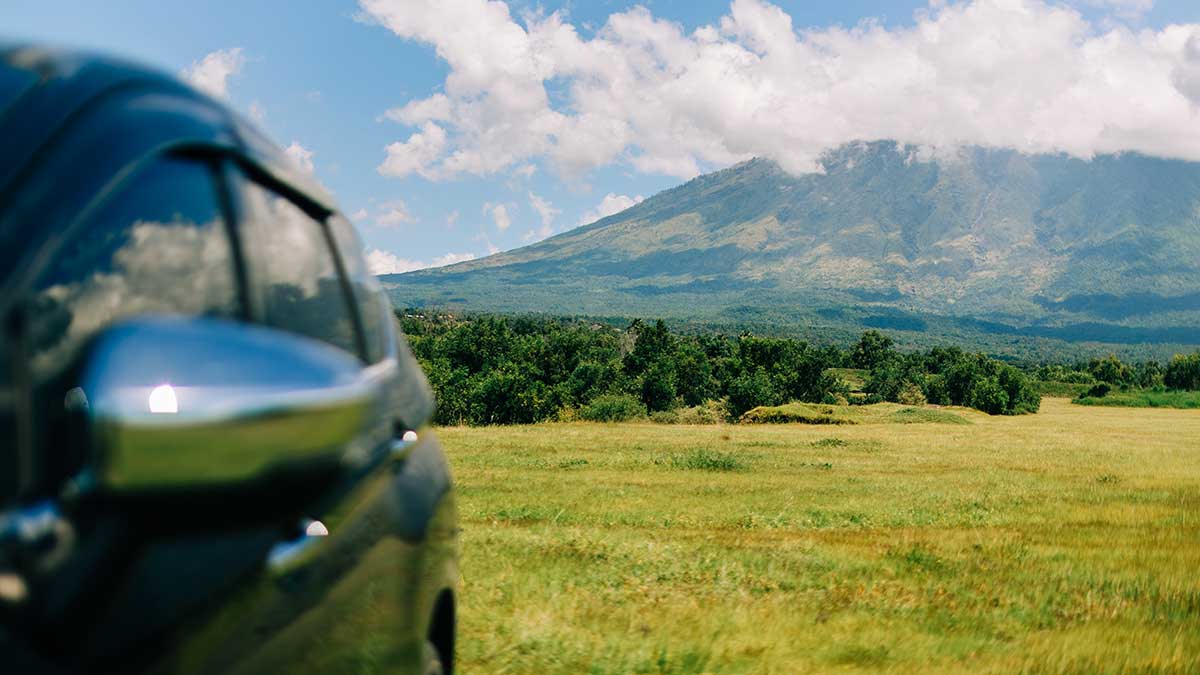
You need an International Driving Permit (IDP) to drive or rent any vehicle, including scooters, in Bali. Image: Getty
Do I need travel insurance for Bali?
Australian Medicare does NOT cover healthcare in Bali. If you're planning a trip to Bali, it's important to consider international travel insurance, which can include:
- medical and evacuation cover in case of emergency
- trip cancellation
- sports and activities cover, if you plan to engage in hikes, water activities, vehicle activities or other adventure activities. Check that your activities are covered and what rules apply. Some insurers exclude certain activities that are extreme risk or not being run conducted by a commercial operator.
Read the policy document to understand what the policy does and does not cover, including exclusions, limits under each section of cover, your obligations, and what to do if you need to make a claim. For RACV Travel Insurance, for example, you can read the Product Disclosure Statement for full details.
RACV Members save on travel insurance*
Overseas medical emergencies & healthcare for Australians
Healthcare standards in Bali vary. Private hospitals and clinics in major tourist areas may offer higher standards of care, but treatment can be expensive and upfront payment may be required.
Consider travel insurance that covers overseas hospital stays, clinic visits, ambulance fees, medical evacuation and emergency dental treatment. Check the policy wording for limits, exclusions and activities that may require extra cover.
Pharmacies are available in many tourist areas, but not all medicines available in Australia can be bought in Indonesia. Some medicines may also be illegal in Indonesia, even if they have been prescribed by an Australian doctor. Check that your medication is legal in Indonesia, take enough for your whole trip, and carry a copy of your prescription and a letter from your doctor stating:
- the names of your medicines
- your required dosage
- that the medicines are for your personal use.
If you need to buy medicine from a pharmacy, some may have English-speaking staff. If language is a barrier, use a translation app or ask your accommodation provider for help communicating with healthcare providers.
Travel insurance does not usually cover the cost of replacing prescription medicine. Check the policy documents for the terms, conditions, limits and exclusions that apply.
For general emergencies, try 112. You can also contact police on 110, ambulance services on 118, or contact your hotel, travel insurer or the Australian Consulate-General.
More: Countries with reciprocal healthcare agreements when travelling overseas
Bali luggage rules & customs for Aussies
Standard baggage allowances on flights from Australia to Bali vary depending on the airline you're flying with.
- Some low-cost airlines have strict cabin baggage limits, and bags may be weighed at check-in or the departure gate. Check your fare conditions before you fly.
- Full-service carriers such as Qantas and Garuda Indonesia may include checked baggage, but allowances vary by fare type and route. Check your airline’s baggage rules before you travel to avoid excess luggage fees.
- Be mindful of biosecurity rules and don’t take agricultural products, food or plant material like fresh fruit, vegetables, meat, dairy or seeds into Bali.
- Do not take prohibited items such as illegal drugs, firearms or restricted material in your hand luggage or checked baggage.
- Vapes and e-cigarettes must be carried in hand luggage.
More: What happens with lost or stolen luggage at the airport?
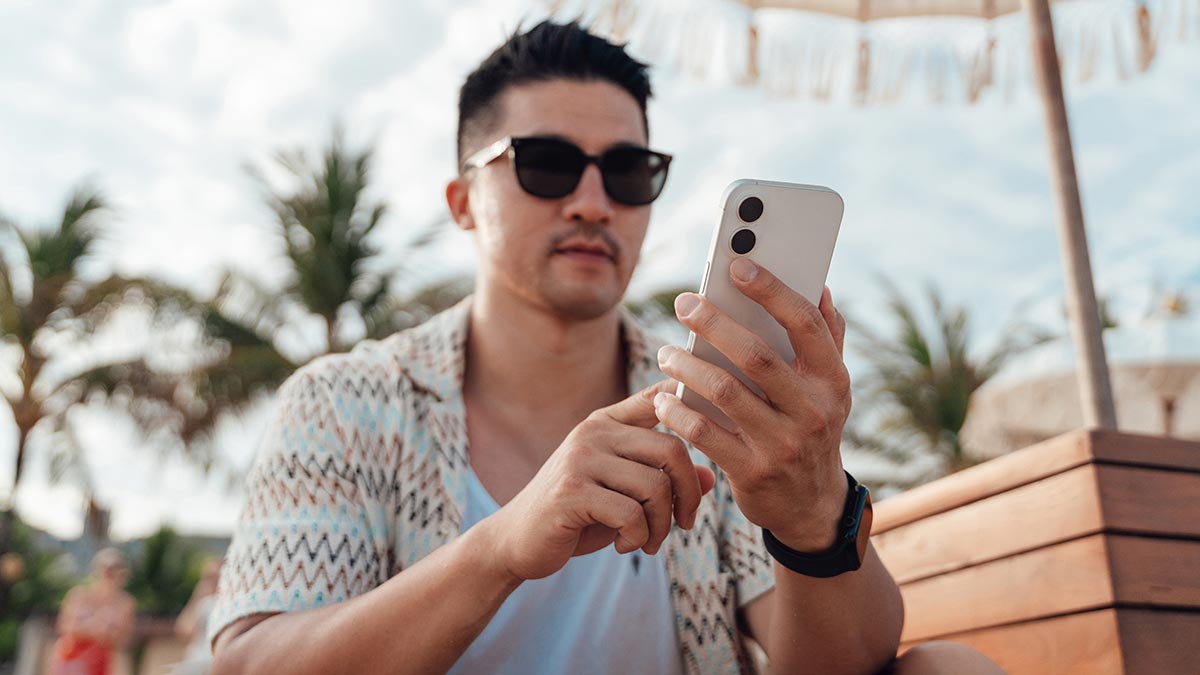
Relaxing on Bali’s beaches is part of the appeal, but travellers should stay sun-safe and keep valuables secure. Image: Getty
Useful apps & emergency contacts for Bali
Apps recommended for Aussie travellers:
- Google Translate – For street signs, menus, communication (especially in rural areas).
- Gojek or Grab – Popular rideshare and delivery apps in Bali. Availability can vary by area and local transport rules.
- WhatsApp - Most tourism providers use this to communicate with tourists about tours, pick ups and restaurant bookings.
Emergency numbers in Bali
- General Emergency number is 112
- Police - 110
- Fire - 113 or 1131
- Ambulance - 118 or 119
- Search and Rescue - 115
- Roadside Assistance (AAS) - contact your rental car company.
Australian Consulate-General help in Bali
- Address: Jalan Tantular, No. 32, Renon, Denpasar, Bali 80234, Indonesia
- Phone: +62 361 2000 100
- Email: consular.bali@dfat.gov.au
The Consulate-General is open 8am–noon and 12.30pm–4pm, Monday to Friday, except public holidays. Consular staff can help with passport issues, emergency assistance and provide lists of local lawyers, but they can’t provide legal advice or intervene in local legal processes.
For any urgent assistance, call the 24-hour Consular Emergency Centre (CEC) in Canberra on +61 2 6261 3305.
Australians visiting Bali for tourism generally need a Visa on Arrival or e-Visa on Arrival, a passport with at least six months’ validity from the arrival date, proof of onward travel, and must pay the Bali tourism levy and complete the All Indonesia Declaration Form before travelling or on arrival.
Entry requirements, costs, local laws and travel conditions can change, so always check official Indonesian Government advice, airline requirements and Smartraveller before departure; this information is general only and does not replace legal, medical, insurance or government advice.
No, tap water is not safe for travellers. Purchase bottled water and be wary of ice in your drinks. Choose reputable venues and ask whether ice is made from filtered or bottled water.
No, Medicare does not cover healthcare costs in Bali. Consider purchasing travel insurance before you travel. Read the policy document to understand what the policy does and does not cover, including exclusions, limits under each section of cover, your obligations, and what to do if you need to make a claim. Indonesian hospitals may require payment before providing treatment or services.
Bali is a year-round destination, but May to September is typically drier and less humid.
Quick Bali travel checklist for Australians
- Carry an Australian passport valid for at least six months beyond your departure date.
- Have proof of return or onward travel and your accommodation details handy.
- Consider travel insurance that includes medical cover and medical evacuation.
- Pack any prescription medication in its original packaging, along with a medical certificate. Note, Australian prescriptions cannot be issued overseas.
- If you're hiring a car, make sure you have a valid Australian driver’s licence, and check with the rental company if you need an International Driving Permit as well.
- Pack tropical-strength insect repellent and any essential health items.
- Save Bali's emergency numbers and Australian consular contact details before you leave.
Bali offers family-friendly nature experiences, including scenic rice terraces that don’t require long hikes. Image: Getty
Final tips for Australians travelling to Bali
- Always respect local customs when travelling in Bali. Note: Indonesia’s revised criminal code includes provisions relating to sex outside marriage and cohabitation. Enforcement depends on specific complaint mechanisms and current local practice, so travellers should check the latest Smartraveller advice before departure and respect local laws and customs once there.
- Tropical weather can be intense. Wear sunscreen, seek shade and drink plenty of water to reduce the risk of heat-related illness.
- Take care around monkeys and keep jewellery, cameras, wallets and food secured.
- You should dress modestly when you're outside the walls of your resort. Cover your shoulders and knees when in villages.
- Bali and Australia both operate on the exact same voltage (220V - 240V) and frequency (50Hz). You do not need a voltage converter for your Australian devices in Bali. However, you do need a Type C or Type F plug adapter because the wall outlets are different.
- Check your travel insurance policy for conditions, limits and exclusions. For example, RACV Travel Insurance covers most amateur sports and activities# when you meet specific criteria. Ensure you read the relevant Product Disclosure Statement for details.
Related reading: The best family activities to do in Bali
*RACV Member discount applies to the premium only (not applicable taxes).
# Terms, conditions (including eligibility criteria), limits, sub-limits and exclusions apply. Refer to Combined Product Disclosure Statement (PDS) / Financial Services Guide (FSG) for full details.
Royal Automobile Club of Victoria (RACV) Limited (ABN 44 004 060 833, AR No. 1243563) (RACV) is an authorised representative of the RACV Travel Insurance insurer Tokio Marine & Nichido Fire Insurance Co., Ltd. (ABN 80 000 438 291 AFSL 246 548) (Tokio Marine). Tokio Marine Management (Australasia) Pty Ltd (ABN 69 001 488 455, AR No. 1313066) is an authorised representative of Tokio Marine, and administers RACV Travel Insurance as the managing agent on behalf of Tokio Marine.
Terms, conditions (including eligibility criteria), exclusions, limits and sub-limits apply. Any advice is general advice only, and does not take into account your specific objectives, financial situation or needs. Before you purchase, please consider the Combined Product Disclosure Statement (PDS) / Financial Services Guide (FSG) and Target Market Determinations (TMDs) available on RACV’s website, or on request from RACV.

