
Learn how family travel insurance works, what it typically covers, common exclusions and how to choose the right policy for your next family holiday.
Travel Insurance

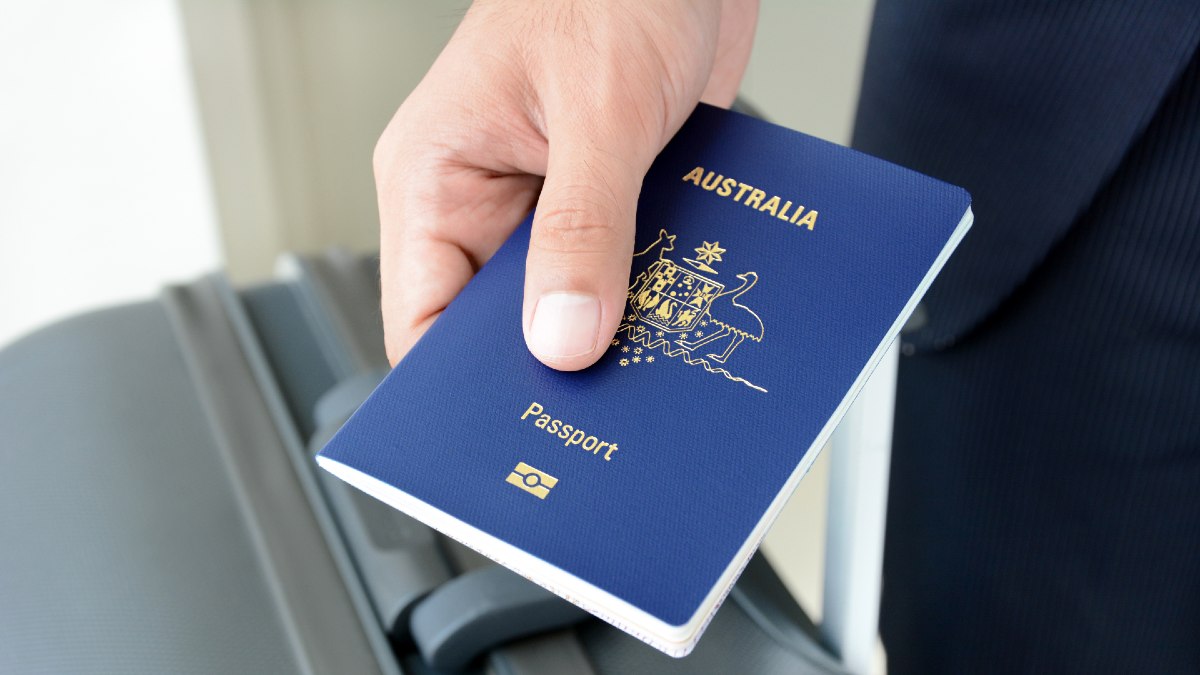




10 travel insurance myths busted
Travel insurance is often misunderstood. Discover the truth behind common myths about cover, medical conditions, cancellations and more.
Travel insurance can help cover you financially when unexpected events disrupt your holiday, whether you're travelling overseas or exploring Australia. However, misconceptions about what travel insurance covers, when to buy it and whether it's worth the cost can leave travellers exposed to unexpected expenses.
Understanding the facts about travel insurance can help you choose a policy suitable for your trip and travel with greater confidence. Here are eight common travel insurance myths explained, including what to check before buying a policy.
RACV Members can access savings on a range of tours, as well as 15 per cent off RACV Travel Insurance*.
Myth #1: I'm healthy, so I don't need travel insurance
Fact: Travel insurance isn't just about your health.
Even healthy travellers can experience unexpected illness, injuries, flight cancellations, lost luggage or travel delays. An accident overseas could result in significant medical expenses, particularly in countries where healthcare is expensive.
Travel insurance can help cover eligible overseas medical emergencies and other unexpected travel disruptions, depending on your policy. Even if you're fit and healthy, it's worth considering travel insurance before your next holiday.
More: How travel insurance covers you in medical emergencies and natural disasters while overseas
Myth #2: Travel insurance only covers medical emergencies
Fact: Travel insurance can provide cover beyond medical expenses.
While overseas emergency medical cover is an important benefit, a broad travel insurance policy may also include cover for:
- trip cancellations and interruptions due to covered events
- lost, stolen or damaged luggage and personal belongings
- travel delays and additional accommodation expenses
- rental vehicle insurance excess
- personal liability.
The level of cover varies between policies, so check the Product Disclosure Statement (PDS) to understand what's included.
Travel insurance isn't just for medical emergencies. Image: Getty
Myth #3: My credit card travel insurance is enough
Fact: Complimentary credit card travel insurance may have limitations.
Some credit cards include travel insurance, but cover isn't always automatic. You may need to meet eligibility requirements, such as paying for a certain portion of your trip using the card or activating the insurance before departure.
Credit card travel insurance can also have different benefit limits, exclusions, age restrictions and requirements for pre-existing medical conditions.
Before relying on your credit card, check the policy's eligibility requirements and compare its benefits with standalone travel insurance. There have also recently been some significant changes to credit card insurance, so check before assuming cover is still the same.
More: Complimentary travel insurance changes - what to know
Myth #4: Travel insurance is only for overseas trips
Fact: Domestic travel insurance can also be worthwhile.
While Medicare may help cover eligible medical expenses within Australia, it doesn't cover every unexpected holiday expense. Domestic travel insurance may cover certain trip cancellations, lost luggage, travel delays and rental vehicle excess costs.
Whether you're flying interstate, taking a road trip or exploring regional Victoria, domestic travel insurance could help cover your holiday investment.
More: Do you need travel insurance for domestic travel in Australia?
Travel insurance can be useful for both domestic and international trips. Image: Getty
Myth #5: Travel insurance won't cover pre-existing medical conditions
Fact: Some pre-existing medical conditions may be covered, subject to assessment and policy conditions.
Having an existing medical condition doesn't automatically mean you can't get travel insurance. Depending on the insurer and condition, cover may be automatically included, available following a medical assessment or offered for an additional premium. However, some conditions may be excluded.
It's important to disclose relevant medical conditions as required by your insurer and understand any restrictions before purchasing a policy.
RACV Travel Insurance offers cover for a range of medical conditions~
Myth #6: Travel insurance is too expensive to be worth it
Fact: The cost of travel insurance may be small compared with unexpected holiday expenses.
Travel insurance premiums depend on factors including your age, destination, trip duration, chosen cover and medical circumstances. While it's another expense to consider when budgeting for a holiday, unexpected medical treatment, cancellations or lost belongings could cost significantly more.
Rather than choosing a policy based on price alone, do some research to understand and compare benefits, exclusions, excesses and cover limits to find suitable cover.
RACV Members can also save 15 per cent on RACV Travel Insurance year-round.*
The cost of travel insurance may be small compared to unexpected holiday expenses.
Myth #7: It's never too late to buy travel insurance
Fact: Buying travel insurance early can provide more cover.
You can generally purchase travel insurance after booking your holiday, and some policies may be available after departure. However, restrictions can apply and generally cover should be purchased before you depart.
Cancellation cover starts from when a policy is purchased, so buying cover soon after making your first booking can help cover eligible prepaid travel expenses if an unexpected covered event forces you to cancel before departure.
Travel insurance generally won't cover events that were already known or foreseeable when you purchased the policy. Check when cover begins and whether waiting periods or other conditions apply.
More: When to buy travel insurance
Myth #8: I'll be covered no matter what activities I do on holiday
Fact: Some holiday activities require additional cover or may be excluded.
Planning to ski, ride a motorcycle, or try adventure activities like scuba diving? Not every activity is automatically covered under standard travel insurance. Some activities may be covered; others may require an additional cover option; while others may be excluded entirely or subject to conditions.
Before travelling, check whether your planned activities are covered and whether you need to purchase additional cover.
RACV Travel Insurance provides cover for a wide range of sports and activities, at home or overseas.#
Consider purchasing travel insurance when you book your holiday. Image: Getty
Myth #9: I'm travelling to a country with reciprocal health cover, so I don't need travel insurance
Fact: Reciprocal healthcare agreements don't provide the same protection as travel insurance.
Australia has Reciprocal Health Care Agreements (RHCAs) with several countries, including the United Kingdom, New Zealand and Italy. These agreements allow eligible Australian travellers to access certain medically necessary healthcare services.
However, reciprocal healthcare agreements don't cover every medical expense. Depending on the country, you may still need to pay for ambulance services, certain treatments or other healthcare costs.
Importantly, reciprocal healthcare agreements generally don't cover medical evacuation or repatriation to Australia. They also don't protect against travel cancellations, lost luggage or other unexpected holiday disruptions.
Even when visiting a country with a reciprocal health care agreement, a travel insurance policy can provide additional protection.
More: Countries with reciprocal healthcare agreements when travelling overseas
Myth #10: I'm only cruising around Australia, so I don't need travel insurance
Fact: Domestic cruises can involve medical expenses that aren't covered by Medicare.
Even if your cruise never leaves Australian waters, you shouldn't assume Medicare will cover medical treatment onboard. Medical services provided by cruise ship doctors are not covered by Medicare, and serious illnesses or injuries may require an expensive emergency evacuation.
Standard domestic travel insurance policies may also exclude cruises or onboard medical expenses, making it important to choose a policy with appropriate cruise cover.
Cruise travel insurance can help cover eligible onboard medical treatment, emergency evacuation, cancellations and other unexpected events, depending on your policy.
Before starting your voyage, it is worth checking your cruise itinerary, insurance requirements and policy inclusions to ensure you have suitable cover, even when cruising entirely within Australia.
Medicare doesn't cover treatment on board a cruise. Image: Getty
How to choose travel insurance that suits your holiday
Understanding these common travel insurance myths is a good starting point, but choosing suitable cover depends on your individual circumstances. Consider your destination, health, planned activities and the value of your bookings. Make sure to compare policy benefits, limits, exclusions and excesses before making a decision.
Whether you're planning an overseas adventure or an Australian getaway, exploring RACV Travel Insurance options to one way to find cover that suits your trip.
* RACV Travel Insurance Member discount applies to the premium only (not applicable taxes).
~ You're covered automatically for 38 medical conditions if you meet all criteria, as outlined in the PDS. Refer to the PDS for full information on medical conditions that are automatically covered.
# Terms, conditions (including eligibility criteria), limits, sub-limits and exclusions apply. Refer to the combined PDS/FSG for full details.
Royal Automobile Club of Victoria (RACV) Limited (ABN 44 004 060 833, AR No.1243563) (RACV) is an authorised representative of the RACV Travel Insurance insurer Tokio Marine & Nichido Fire Insurance Co., Ltd. (ABN 80 000 438 291 AFSL246 548) (Tokio Marine). Tokio Marine Management (Australasia) Pty Ltd (ABN 69001 488 455, AR No. 1313066) is an authorised representative of Tokio Marine, and administers RACV Travel Insurance as the managing agent on behalf of TokioMarine.
Terms, conditions (including eligibility criteria), exclusions, limits and sub-limits apply. Any advice is general advice only, and does not take into account your specific objectives, financial situation or needs. Before you purchase, please consider the Combined Product Disclosure Statement (PDS) / Financial Services Guide (FSG) and Target Market Determinations (TMDs) available on RACV’s website, or on request from RACV.

